
Sustainability Weekly

Fridays are for…
The 10 Year Anniversary of the Paris Climate Agreement, Cloud-Seeding, and more!
by Alli DiGiacomo
Happy Friday! Today, December 12, 2025, is the 10th anniversary of the Paris Climate Agreement, adopted in 2015 at the UN Climate Change Conference (COP21) in Paris to combat climate change by limiting global warming to well below 2°C, aiming for 1.5°C. Although the U.S. is (currently) withdrawn from this agreement, and the world is currently not on track to meet these targets, there is still progress that has been made. Before the agreement, the world was headed towards a catastrophic 4°C of warming, and now we are headed for 2.5°C, a sign that we should keep going! And for the first time this year, the International Court of Justice ruled that all nations have a legal obligation to act in response to the climate crisis, giving the treaty enforceable consequences, and found that “the right to a clean, healthy and sustainable environment is fundamental for all other human rights.” Read here for a complete analysis of how the treaty has changed the world in the past 10 years.
Keep reading for more sustainability news…
T H I S W E E K ’ S T O P S T O R I E S
STUDY SHOWS NYC CONGESTION PRICING SHOWS A 22% DROP IN PARTICULATE POLLUTION
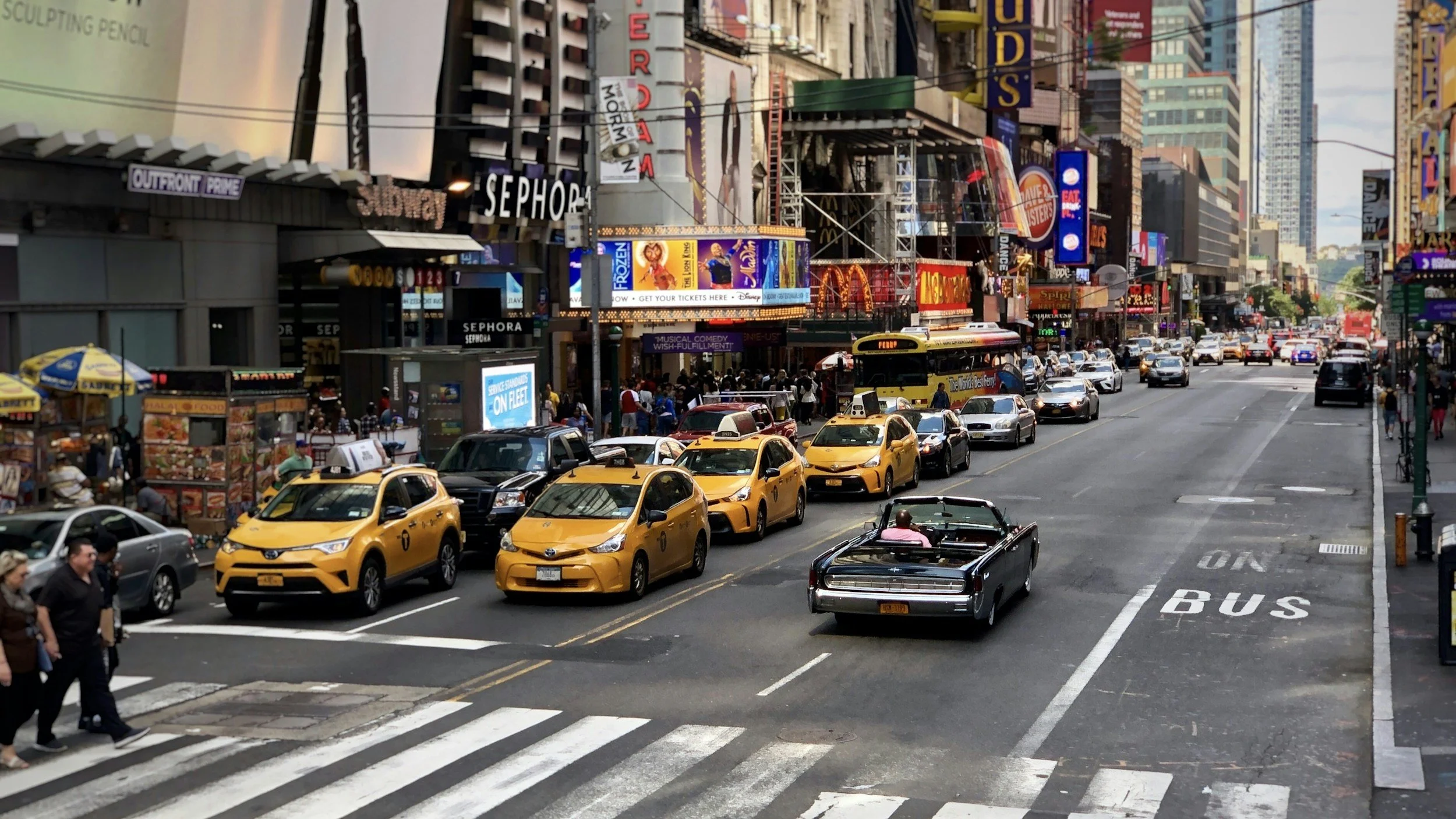
A new study released this week from Cornell University measured the impacts of NYC’s congestion pricing on particulate matter (PM2.5) pollution, which contributes to asthma, heart disease, and other serious health risks. The study found that not only was particulate pollution down by 22% in the areas of Manhattan affected by the congestion pricing, but the effect extended far beyond downtown. The decrease in particulate pollution in the entire metro area proves that the “congestion pricing"didn't simply relocate air pollution to the suburbs by rerouting traffic. Instead, folks are likely choosing cleaner transportation options altogether, like riding public transportation or scheduling deliveries at night. This thins traffic and limits how smog compounds when many cars are on the road,” the lead author, Timothy Fraser, stated.
New York City’s congestion pricing, which charges $9 for cars entering busy Manhattan areas during peak hours, has significantly improved both traffic and air quality. In the first six months, traffic in the zone fell 11%, accidents dropped 14%, and noise complaints fell 45%. The NYC results even exceeded similar congestion pricing programs in cities like Stockholm and London.
A COALITION OF OVER 230 ENVIRONMENTAL GROUPS HAVE DEMANDED A NATIONAL MORATORIUM ON NEW DATA CENTERS IN THE U.S.
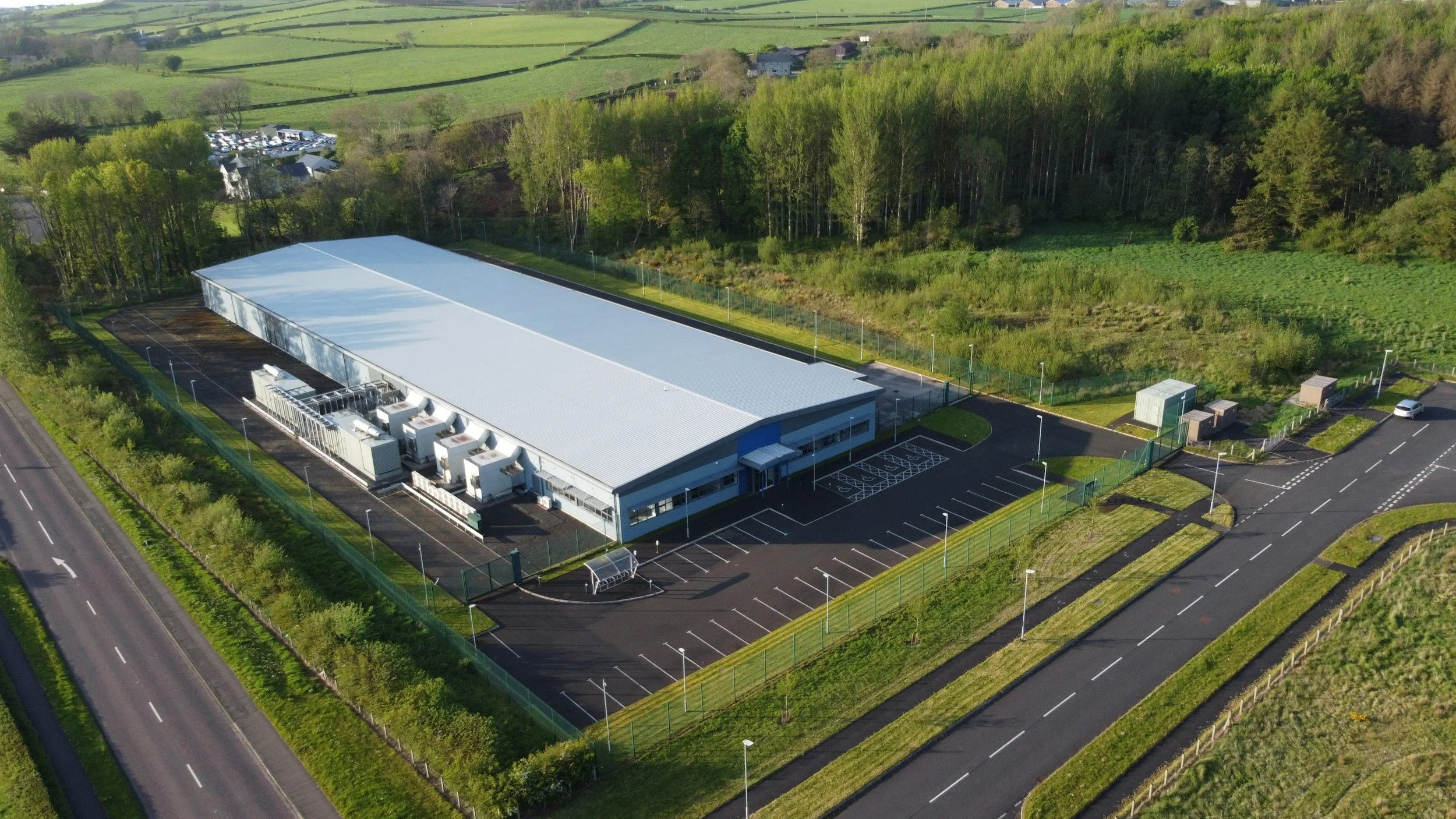
Over 230 environmental and advocacy groups signed a letter on December 8th urging Congress to enact a national moratorium on new data centers, warning that the rapid, largely unregulated growth of AI/crypto-driven facilities is causing major environmental, economic, and social harm. They write about soaring electricity use, unsustainable water consumption, increasing electricity bills, increased fossil fuel pollution, and potential job losses tied to AI. The groups point out that data center expansion is already harming communities nationwide and should be stopped until stronger regulations are in place to protect people, resources, and the climate. Read the memo here.
Companies like Meta, Google, and OpenAI invest hundreds of billions in new datacenters, and some have already been blocked or delayed because of concerns over rising energy costs and heavy water use. Data centers have become a major political issue in discussions and elections, especially after electricity prices have increased 13% since the current administration came into office and 80 million Americans are struggling to pay their energy bills. Other factors like aging infrastructure and climate-related damage are also not helping, but the massive projected growth in datacenter electricity use (expected to triple in the next 10 years) is undeniable. At current rates, data centers could add 44 million tons of carbon dioxide to the atmosphere by 2030, which is equivalent to 10 million more cars on the road.
IRAN IS RAMPING UP CLOUD-SEEDING OPERATIONS TO DEAL WITH “THE WORST WATER CRISIS IN SIX DECADES”

Iran announced they are planning to desperately ramp up cloud-seeding operations during their current severe water crisis. Cloud-seeding is a local weather modification technique that involves flying planes or drones into clouds and dispersing particles like silver iodide to encourage more rainfall than would occur naturally. The technique can’t create storms, but it can squeeze a bit more rain or snow from existing clouds. Iran’s decades-in-the-making water crisis has been caused by chronic drought, mismanagement, overpumping, expanding water-intensive agriculture, and an overbuilt dam system that has drained rivers, lakes, and aquifers across the country. Some regions could run out of water within weeks. Rural areas already rely on tankers, farmland is collapsing, and land around Tehran is sinking more than a foot a year in places because aquifers are so depleted.
Since Iran says it is essentially in “water bankruptcy” following political corruption in water projects and years of using more water than nature can replace, they are resorting to cloud-seeding as a quick, imperfect, temporary “solution”. The main problem is the underlying challenges causing the crisis like the need for major structural changes such as reducing agricultural water use and shifting the economy away from water-intensive farming. For now, cloud-seeding, conservation pushes, and potential rationing are last-resort options. Iranian President Masoud Pezeshkian called the situation a “catastrophe” and “a dark future.”
MORE IN SUSTAINABILITY NEWS
Most of the world's largest wooden structure, The Grand Ring, in Osaka built for the Expo 2025, to be burned as "chips for fuel". Burning the wood from The Grand Ring is "the worst thing to do", Fujimoto, the architect, said.
Dezeen’s 10 biggest building announcements of 2025 includes the world’s tallest passive house to be completed in Brooklyn in 2028.
The battery-powered bus startup Highland Electric Fleets just raised $150 million to deploy its fleets of buses and trucks across the U.S. as early as next year.
Exxon Mobil Corp., the nation’s largest oil producer, plans to cut planned spending on low-carbon projects by a third, joining much of the rest of its industry in refocusing on fossil fuels.
The EPA has removed information from its website on the human-causes of warming. The web pages that used to explore the central role of burning fossil fuels in heating the planet now only mentions “natural causes” of climate change.
A study of thousands of children across the developing world found that those regularly exposed to severe heat were more likely to see developmental delays.
Don’t throw out broken Christmas lights — Here are 7 ways to recycle them.
Largely serving southern California, Utah’s largest coal-fired power plant is no longer operating. The Los Angeles Department of Power and Water quietly shut the facility down with no impact on customers.