
Sustainability Weekly

Fridays are for…
Sustainable Holiday Guides, COP30, International Volunteer Day, and more!
by Alli DiGiacomo
Happy Friday! This week covers what you might have missed at COP30 in Brazil, tips for a more sustainable holiday season, and more! Today is International Volunteer Day, a UN-mandated day that recognizes volunteer commitments and dedicated time to making a difference in our communities! A reminder that we have a scheduled volunteer event involving bag decorating for Heart of Dinner coming up on December 17th. We are only ~20 hours short of our volunteering hourly goal for 2025, we can do this!
Keep reading for more sustainability news…
T H I S W E E K ’ S T O P S T O R I E S
SUSTAINABLE HOLIDAY GUIDE

It’s no secret that with the holidays comes a lot of waste and single-use items. From Thanksgiving to New Years, American waste production increases by 25% compared to the rest of the year. This holiday season, you can enjoy all the festivities while still reducing waste, conserving resources, and making ethical choices. Here are a few tips to celebrate sustainably:
Eating and Cooking: Make sure to plan your meals and adjust the portion sizes to accommodate the amount of guests to ensure there is no food waste. If there are leftovers, get creative with them and try new recipes! Source ingredients locally and in-season. Bonus points if you consider prioritizing plant-forward options to reduce your carbon footprint even more! Don’t forget to compost food scraps and properly recycle containers.
Decorating and Celebrating: Opt for LED lights (they have LED lights that are warm-colored now if you want the nostalgia), turn off/unplug your lights and decorations at night and when not home, use smart plugs and timers. Reuse decorations from previous years instead of buying new ones. Feel free to get crafty and decorate with natural items such as dried orange peels, branches, or pinecones (compost them when done) or paper snowflakes made from recycled paper. If hosting, avoid single-use utensils and serving dishes. When traveling, prioritize public transportation and carpooling.
Gift-Giving: Thankfully, second-hand/thrifted gifts are trending! Prioritize this first, then buying gifts from local, small businesses. One of the worst things you can do is buy multiple versions of a gift online with the intention of returning the unwanted ones. So unnecessary and wasteful. If you must buy from major retailers, make sure they are ethical and/or made from sustainable materials. Give experiences such as trips, classes, museum or concert tickets, or gift cards to local restaurants. Get creative and give home-made gifts or treats, personalized or DIY gifts that are more meaningful. Even better, make donations to support local organizations in your community! See here for two 2025 Sustainable Gift Guides: Eco Friendly Gifts: Sustainable Gift Guide 2025, and Do-Good Gift Guide: 19 Ideas for Gifts That Give Back. When wrapping gifts, use reusable gift wrap such as tote bags, recycled paper/newspaper/maps, paper bags, reused ribbon, or repurposed glass containers. Skip the store-bought wrapping paper and single-use plastic bows. Many common items like metallic wrapping paper and ribbons cannot be recycled.
Remember that all of these choices add up! Encourage your family and friends to make small, intentional decisions that are better for the planet. In NYC, check here for curbside tree pick-up and instructions. Have a safe, sustainable, and happy holidays!
SUMMARY OF COP30 IN BRAZIL
Expectations were high for this year’s United Nations Conference of the Parties (COP30) in Belem, Brazil because it's more apparent than ever that the world is still far from slowing climate change and meeting the 1.5 degrees Celsius warming goal. After COP30 ran into overtime, many leaders were hoping for clear roadmaps on how to phase out fossil fuels and stop deforestation, but there were only vague references to the transition away from fossil fuels in the actual language in the documents produced. It is important to note, however, that we still have 90+ countries with written support of this transition, and it was finally part of the conversation this year more than ever, even with the fossil fuel-producing countries who want to diversify their economy. There is a clear momentum towards transitioning to renewable energy over fossil fuels. One outcome is that Brazil’s COP presidency says it will push ahead with its own fossil fuel and deforestation roadmaps outside of the official UN process and report back to the UN in 2026. Australia, who is hosting COP31 next year, signed on to transition away from fossil fuels.
A big theme this year was putting people front and center, and a call for the openness of the COP process. Tens of thousands marched for climate justice outside of the COP30 venue, and there was unprecedented representation from Indigenous communities inside the venue. Countries agreed to start building a global just transition mechanism to support workers and communities during the shift to a low-carbon economy. There was also a new Gender Action Plan; a jobs and skills initiative to prepare workers for clean industries; and a major health plan outlining how countries can protect people from climate-linked health risks. Countries agreed that a just transition away from fossil fuels will need to include a dialogue between developing countries and consuming ones, as well as industry leaders, and it will need to be science-based.
Finance in general was a huge focus. The COP laid out a broad plan, called the Baku to Belem Roadmap, to help mobilize $1.3 trillion a year by 2035 for developing countries. It addresses article 9.1 of the Paris Agreement regarding funding to developing countries to address climate change. A goal was to clarify what adaptation finance actually means, and to move quickly. One key issue discussed for the first time was trade discussions, where a few countries such as China discussed an open trade system of low carbon goods. Countries will now hold annual dialogues to examine how trade policies help or hurt climate action, with input from the WTO and others. Brazil also launched a new forum that sits outside the UN process to work on climate-trade issues like carbon accounting, energy transition and deforestation. Changing a 200 year economic system is going to involve asking some hard questions.
On the brighter side, there was progress with adaptation strategies. Countries agreed to a new goal to triple global funding for climate adaptation by 2035, which could send over $120 billion a year to resilience efforts in developing countries. They also adopted 59 indicators to track global adaptation progress, which will be refined over the next 2 years. Brazil rolled out a major new tropical forest fund designed to make protecting forests more profitable than clearing them, and several countries pledged money. New commitments also expanded land rights for Indigenous Peoples and local communities, funded forest and land tenure programs, and launched initiatives to address wildfires, grow bioeconomy markets, protect marine ecosystems, and restore farmland. There’s also a new roadmap to double energy efficiency by 2030.
Although COP30 didn’t result in the clear fossil fuel phaseout strategy many expected, and the world’s climate plans still fall far short of keeping warming to 1.5 degrees, there were still meaningful wins on finance, adaptation, nature protection, local leadership, and linking climate action to real people’s lives. The US is harming itself by taking itself out of these conversations, with no more seat at the table influencing any of these decisions. Reporters noted that not having the US there definitely slowed a few decisions down but put a lot more power into the hands of the EU and China. Remember that COP is not a single magic solution to climate change, it’s a chance for an international conversation to solve some of the biggest challenges together.
A CASE STUDY ON HOW INSTALLING SOLAR PANELS TURNED AN ENTIRE SCHOOL DISTRICT AROUND
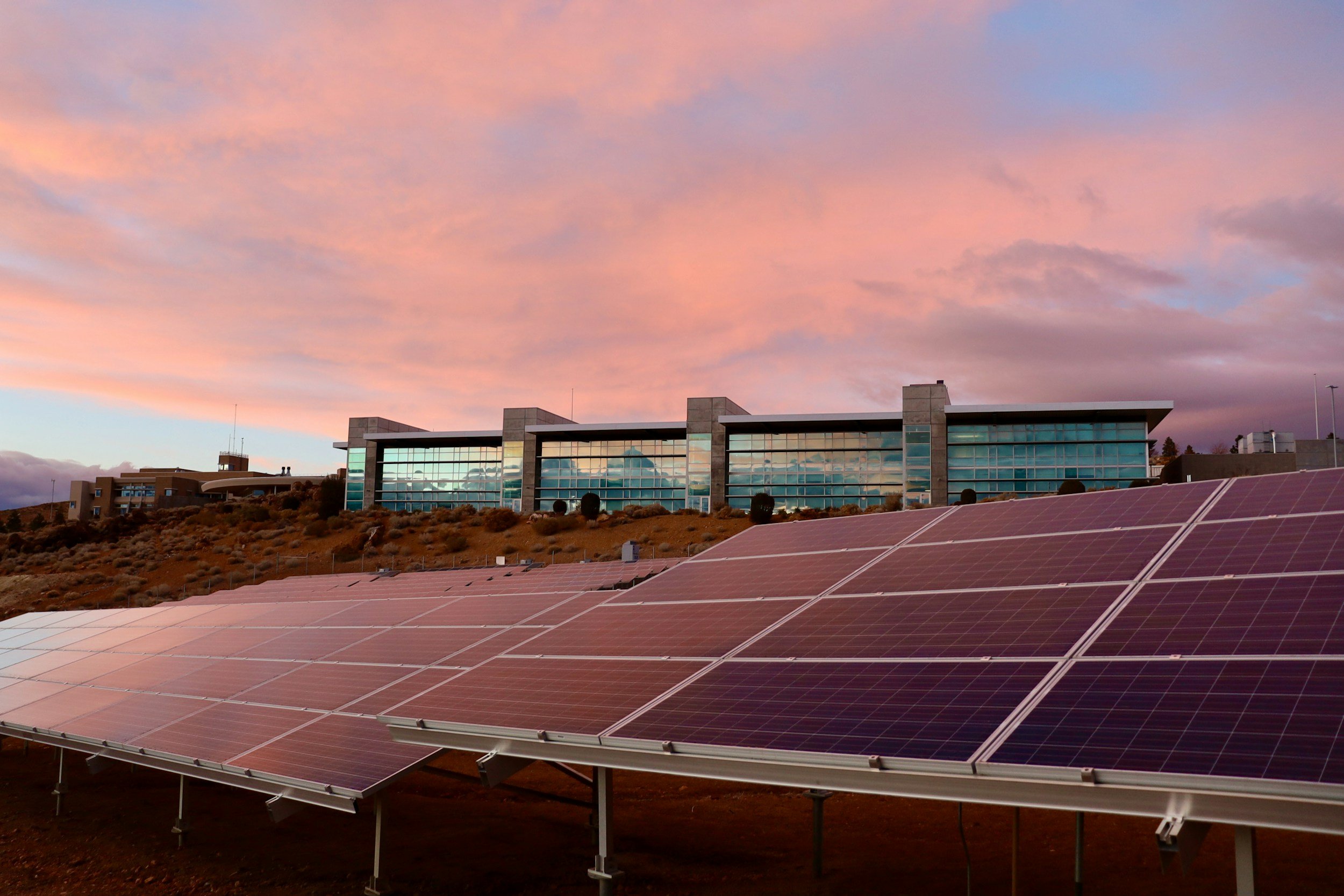
The Batesville, Arkansas school district turned a $250,000 annual deficit in 2017 into a $1.8 million surplus in 4 years by conducting an energy audit, installing solar panels and other efficiency upgrades. State legislation helped the district upgrade lighting to LED fixtures, as well as install new windows and water systems. With average salaries around $45,000, many teachers had been juggling second jobs or leaving for better pay, which made it hard to keep and attract staff in the small town. After the energy efficient upgrades and solar installations, within four years, teachers had a 30% increase to their base salary, up to $15,000. Superintendent Michael Hester said they took a risk because the budget wasn’t going anywhere, and the energy audit showed they could save $2.4 million over 20 years. They turned an empty field into a solar farm and put 1,500 panels on the high school roof, significantly reducing utility bills and freeing up the budget for teachers. The project has not only brought in more applicants, fewer resignations, and inspired at least 20 nearby districts to try the same thing, but it has also engaged students in learning about sustainability.
MORE IN SUSTAINABILITY NEWS
How NYC leaders plan to help Co-Op buildings reduce emissions.
This car-free neighborhood in Arizona could be the future of walkable cities in America.
New data shows the hole in the ozone layer shrank to its smallest size since 2019.
Trump Administration moves to weaken Federal protections for waterways and wetlands.
Thousands of national park workers are still without jobs. So people are ‘adopting’ a park ranger this holiday season.
To reduce vandalism, these communities installed vertical 'living walls' that double as pollinator gardens.
AI is decoding whale communications. Could this be a turning point in the push for their rights?
Watch this video to take a virtual tour of the plan behind the new Seawall in Lower Manhattan, part of the Fidi Seaport Climate Resilience Plan
Colombia announced a ban on all new oil and mining projects in its Amazon biome. It also called on other Amazonian nations to adopt similar protections. (Colombia controls just 7% of the Amazon biome.)
The Global Reforestation Organization Directory provides standardized information on more than 125+ major tree-planting organizations, making it easier for donors to contribute to reforestation around the world.
After missing 2025 goals, Chesapeake Bay leaders agree on a longer timeline and a Tribal role in cleanup. The revised watershed agreement extends pollution-reduction targets and bets on voluntary measures to achieve cleanup goals that have remained elusive for decades.
Massachusetts is turning retired cranberry bogs into natural wetlands. They’re on track to rewild 1,000 acres.
‘Death Ball’ Sponge and Glowing Worms are among the new creatures recently discovered in the Southern Ocean.
New England kicks off $450M plan to supercharge heat pump adoption.