

Mondays are for…
Fungi Systems, Urban Parks, Flood Resiliency, and more!
by Alli DiGiacomo
Happy Monday! August is winding down, but there’s still plenty of time to enjoy the last of the season! Here is a list of seasonal NY late summer produce that you can find at your local farmer’s market. Enjoy!
Keep reading for this week’s sustainability news…
T H I S W E E K ’ S T O P S T O R I E S
MANHATTAN’S FLOOD WALLS ARE ALMOST COMPLETE. WHAT’S NEXT?
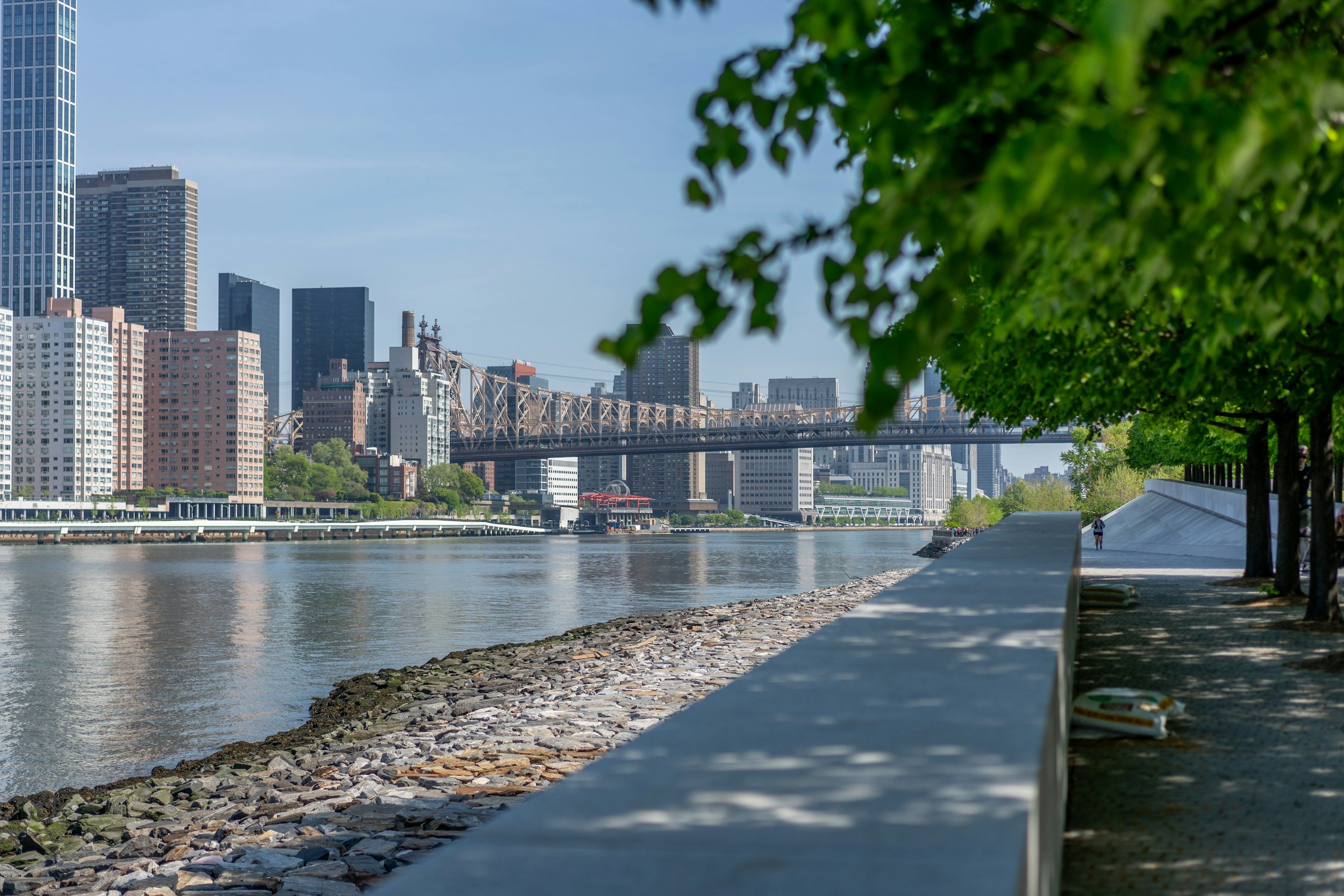
New York City’s massive post-Sandy flood protection effort is finally almost complete, with major projects in Lower Manhattan expected to be operational by the 2027 hurricane season. Since Superstorm Sandy in 2012 sent 14 feet of storm surge into New York Harbor, the city has invested billions in flood gates, elevated parks, berms, rebuilt beaches, and home buyouts to protect vulnerable neighborhoods. Now, Mayor Zohran Mamdani is preparing for the next phase by expanding the city’s Bureau of Coastal Resilience by 70 staff members. Their first job will be maintaining and operating the new flood gates, but the bigger challenge will be deciding where the city should invest next.
With more than 500 miles of coastline and over 1 million residents living in the coastal zone, the city can’t realistically protect every neighborhood in the same way. Communities such as Coney Island, East Harlem, Red Hook, and parts of the Bronx still have significant flooding risks, but not enough funding. Plus each different area may require very different solutions, such as seawalls, elevated streets, restored marshes, living shorelines, or even relocating homes. Recent projects have been criticized and debated over whether they will provide enough protection or could push floodwaters into the surrounding communities. NYC is currently developing a new coastal resilience master plan that is expected to begin next year and be completed by 2031. One of Mamdani’s biggest climate challenges will be figuring out how to prioritize investments and efforts while also making sure historically underserved neighborhoods aren’t left behind.
OVER 400 URBAN SCHOOLYARDS ACROSS 26 STATES ARE BEING TRANSFORMED INTO CLIMATE OASES
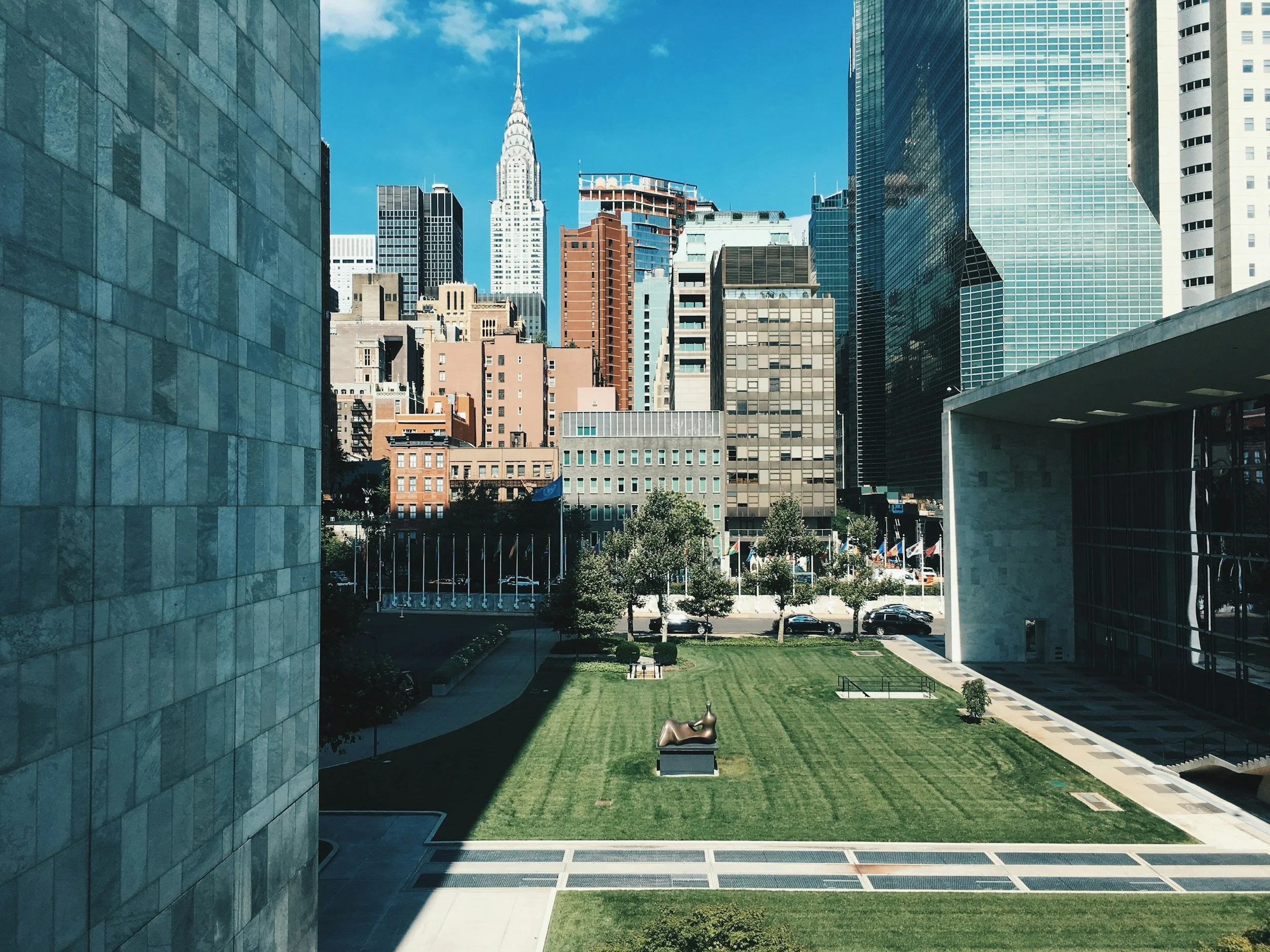
Across the country, schoolyards are being transformed from hot, barren asphalt spaces into green, climate-resilient “oases” that benefit both students and surrounding communities. The Trust for Public Land (TPL) is helping renovate 420 schoolyards in 26 states, including New York City’s Adolph S. Ochs School in Hell’s Kitchen, where an asphalt playground was redesigned with trees, shaded areas, green space, colorful murals and areas for sports and play. They are designed with creative input from students, school staff, landscape architects and community members, with the goal of making the spaces more welcoming and useful. “Courts are repainted with colorful geometric designs”, “playful mosaics,” and structures are inspired by natural elements such as climbing boulders, tree stumps, and murals.
These projects are also becoming an important part of cities' climate resilience strategies. Replacing asphalt with trees, porous pavement, rain gardens and green-roofed structures can reduce extreme heat and help absorb stormwater during heavy rain. Unshaded asphalt can reach more than 140°F on a 90°F day, but shaded surfaces can be at least 30°F cooler. TPL also advocates for opening up schoolyards to the public outside of school hours, so local communities can enjoy much-needed green space. This is especially important in NYC, where access to green space varies dramatically in each area. For example, there are more than 141 square feet of park space per person in Bayside, Queens, and just 2 square feet per person in Jackson Heights. Funding and long-term maintenance are some of the challenges, but the goal is that every resident has green space within a 10 minute walk from their home. There are many benefits and this is one way to simultaneously address heat, flooding, inequitable access to green space and the need for safe places for communities to gather.
HOW ONE SCIENTIST IS BRINGING AWARENESS TO CARBON-SUCKING INVISIBLE FUNGI
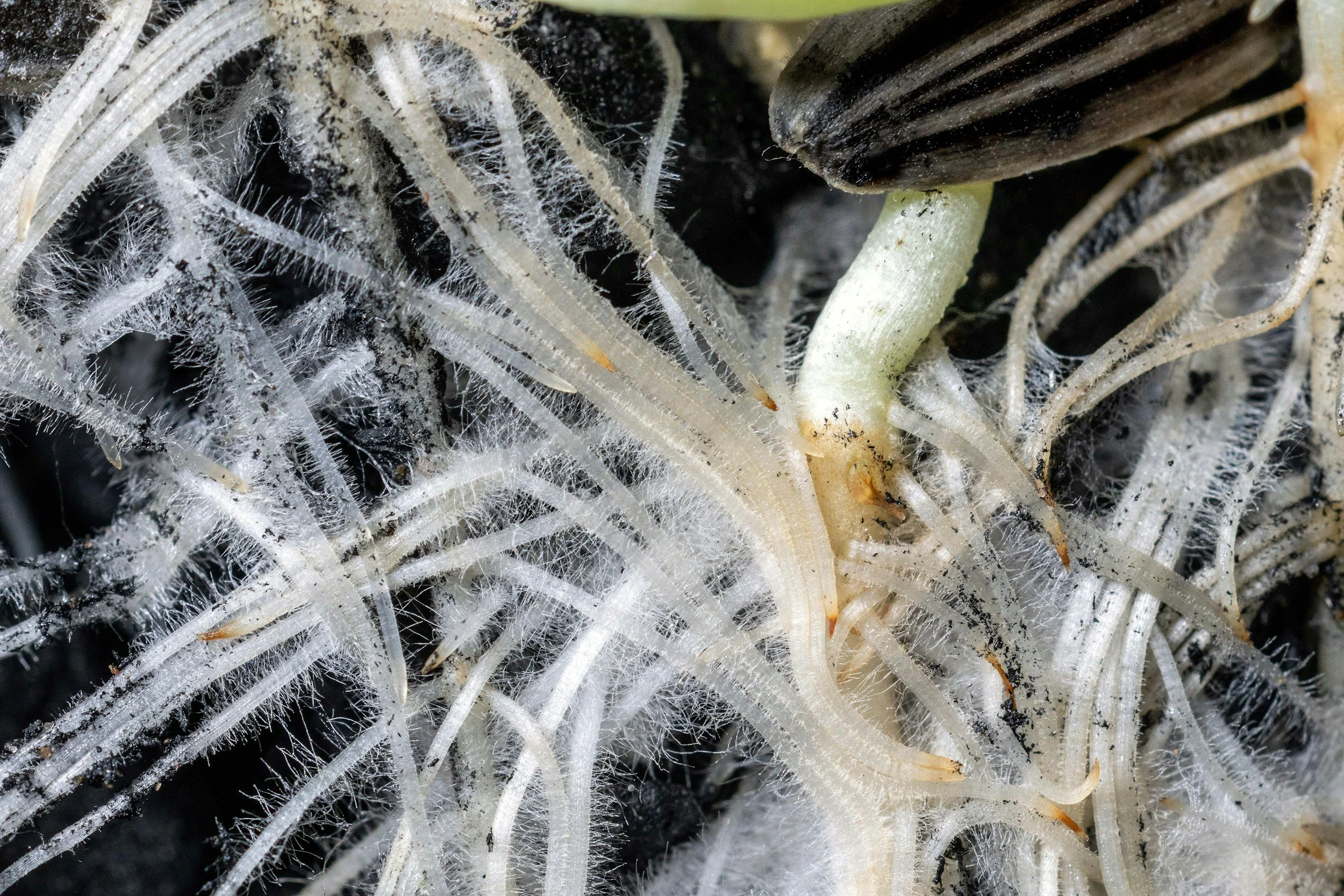
Mycorrhizal fungi, which live in soil and have a systematic relationship with plant roots, could be an overlooked tool in the fight against climate change. These giant underground networks help plants absorb water and nutrients while moving carbon into the soil. According to evolutionary biologist Dr. Toby Kiers, they are responsible for drawing down an estimated 13 billion tons of CO₂ into soil systems every year. This is about 1/3rd of current carbon emissions. They also support biodiversity by helping plants tolerate environmental stress and produce larger, sweeter flowers that benefit pollinators.
Fungal ecosystems are not understood well and largely unprotected even though we now know how important they are. Less than 0.02% of Earth’s terrestrial surface has been mapped for mycorrhizal fungi, and threats such as deforestation, erosion and intensive agriculture are damaging these underground networks. Kiers was awarded the 2026 Tyler Prize for Environmental Achievement for helping create the Underground Atlas to map the global distribution of mycorrhizal fungi and provide data that can inform conservation and climate strategies. One of the other goals of her work is to highlight the importance of looking below the surface, as well as recognizing that some of the most powerful tools for restoring ecosystems and storing carbon may be largely invisible.
OTHER SUSTAINABILITY NEWS
The Bronx Zoo rescues 800 endangered turtles from 'unprecedented surge in trafficking'.
Trump inks ‘the biggest oil deal in world history’ with Venezuela.
The World Architecture Festival shortlist is brimming with nature-led designs.
July was the hottest month ever recorded in the U.S., surpassing Dust Bowl records.
More than 1.3M plastic bottles were collected during the world’s largest single-day volunteer ocean cleanup. Volunteers also cleaned up more than 1.2 million cigarette butts, 885,000 plastic bottle caps, and 581,000 plastic shopping bags — but plastic bottles were the most common item.
Trying to get away from gas turbines, data centers place their hopes on small modular nuclear reactors.
The world’s biggest electric vehicle battery maker announced all 20 of its plants are now carbon neutral.
California is suing the Trump administration over a deal to kill offshore wind projects (following New York’s lawsuit in June).
Massachusetts awards $700,000 to projects that will expand and improve the tree canopy in seven cities, reducing the urban heat island effect and reducing the need for residents to run air conditioners.
The Grid Has Eyes: How Alabama Power became Flock’s longest-standing middleman.
“Climate change isn’t a tragedy, it’s a crime.” This is a powerful sentence, especially when referring to the tragedy that just happened in Nepal. Read more on this here. “What can I do?” The answer is still anything.
Scientists capture first molecular-level snapshots of water reorganizing during a chemical reaction; discovery could lead to improvements in solar panels, fuel cells, and batteries.
A study from Arizona State University shows that data centers can raise the surrounding temperature by four degrees. The waste heat produced by a single data center can surpass the amount emitted by 40,000 households