
Sustainability Weekly

Fridays are for…
NYC Climate Week, Endangered Species Act, Wind Farm Recyling, and more!
by Alli DiGiacomo
Happy Friday and September! Also coming up next week is NYC Climate week! Predictions and reports are showing the conversations this year will be centered around costs, specifically costs of energy. Reports have recently come out reiterating how affordability is shaping the energy industry, especially with the Iran war and the AI/data center boom. We will see how this will be integrated in the clean energy industry discussions this upcoming week. “This climate week is also going to be energy security week and energy affordability week,” said Dan Yergin, vice chairman at S&P Global.
Keep reading for this week’s sustainability news…
T H I S W E E K ’ S T O P S T O R I E S
THE FATE OF THE ENDANGERED SPECIES ACT RESTS ON 2 SIMPLE WORDS

The Endangered Species Act is facing a major change under the Trump administration, centered on how the Fish and Wildlife Service interprets the words “take” and “harm.” The agency now says that accidentally killing a protected animal may not count as an illegal “take” if the death wasn’t intentional, while a separate rule change says that damaging an animal’s habitat no longer necessarily counts as “harming” it. That could affect activities such as logging, mining, construction and other development in areas where endangered species live. The changes are already facing legal challenges from over half of US states and environmental groups, who argue that they reverse decades of how the law has been interpreted. (The Supreme Court ruled in 1995 that modifying an animal’s habitat, such as logging forests where northern spotted owls live, could qualify as harming the species.)
The changes could have significant consequences for species that rely heavily on habitat protections. Road-building, logging and other development could potentially move forward even when they unintentionally damage wildlife habitat. Supporters of the administration’s approach argue that the changes will allow more economic activity, while conservation groups say unintended harm is a major driver of species decline. Its legal validity is already being disputed.
A WIND FARM IN SCOTLAND DEMONSTRATED 99.9% RECYCLABILITY OF MATERIALS
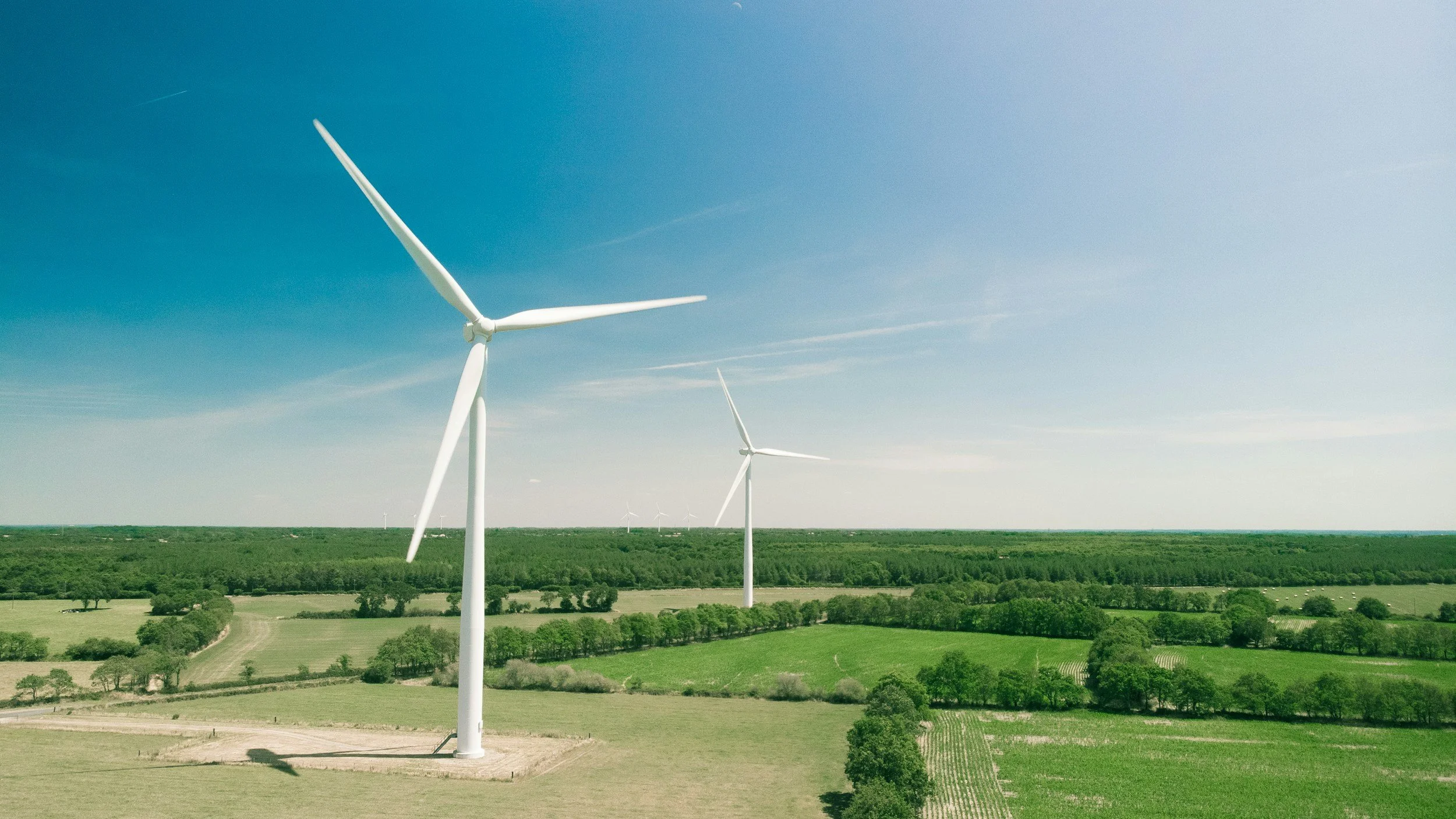
One of the critiques of wind energy is the recyclability of wind turbine materials at their end-of-life, specifically the turbine rotors made from a composite material that’s difficult to break down. Scotland’s oldest commercial wind farm, Hagshaw Hill, has demonstrated that wind turbines can be recycled or reused at the end of their life. When 26 turbines were dismantled in 2023 to make way for 14 newer, more powerful ones, 99.9% of the materials were either recycled or reused (79.5% recycled and 20.4% reused). Even the difficult-to-recycle blades were processed into polymers that can replace raw materials for some traditional construction materials. The project also kept much of the work local, with most suppliers handling the decommissioned materials located within 30 miles of the site.
E.P.A. MOVES TO LIMIT PUBLIC INPUT ON DATA CENTERS
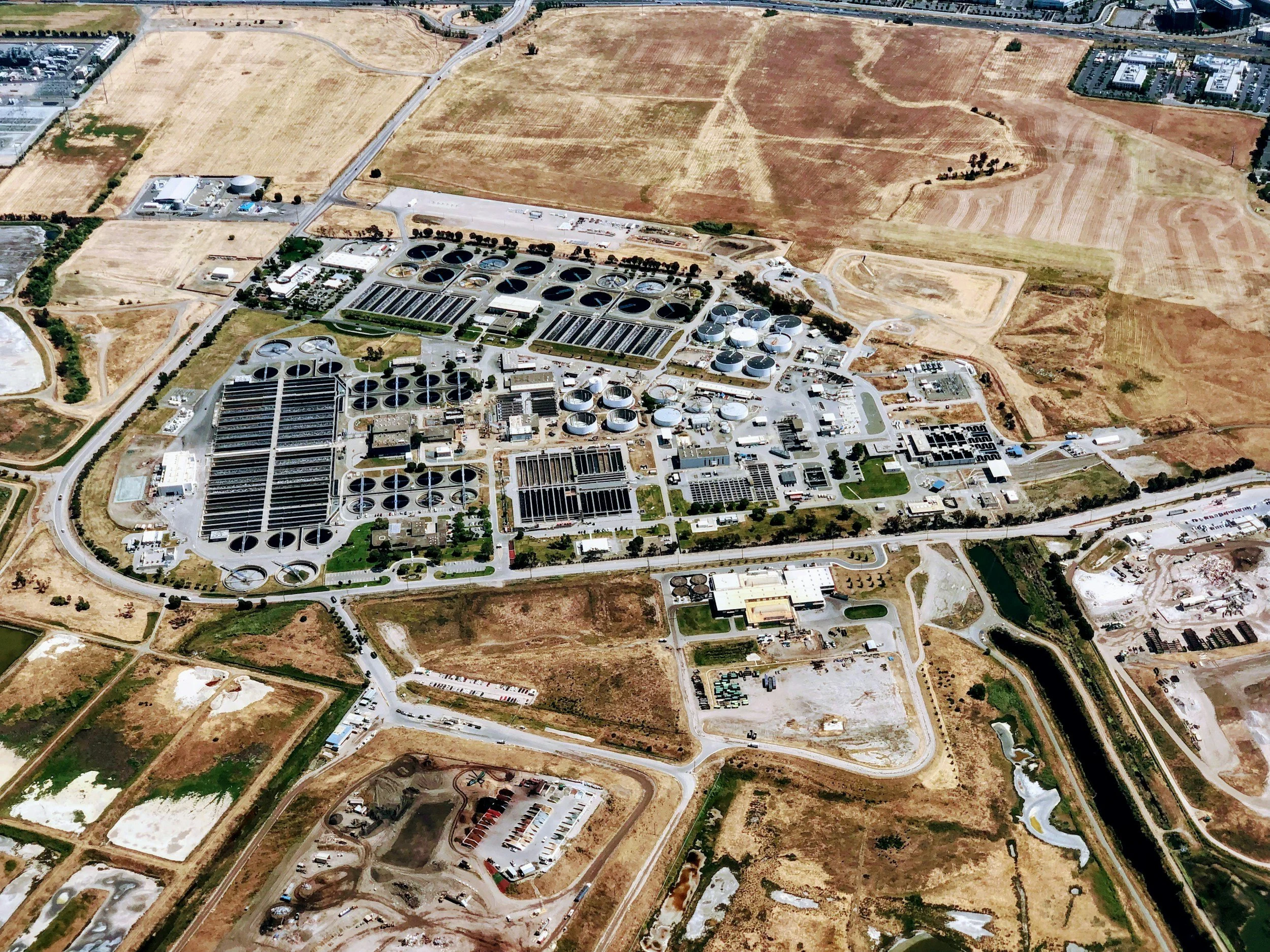
The Environmental Protection Agency (EPA) is proposing to remove a federal requirement that states notify the public and solicit comments on air pollution permits for certain industrial facilities, including data centers and the gas-fired power plants that increasingly supply them. The change would speed up permitting and encourage AI and energy infrastructure development without changing emissions standards. It would likely make it harder for communities to even know about potentially polluting projects before construction begins. Opposition to data centers is growing nationwide and most Americans now say they oppose having one built near them.
The debate is focused on the environmental impacts of the enormous amounts of power that's required for these massive facilities. Some companies are building their own natural-gas power plants, which can produce greenhouse gases as well as pollutants such as nitrogen oxides and particulate matter that can affect local air quality and public health. Facilities classified as “minor sources” can still be permitted to emit significant amounts of pollution, and multiple smaller permits can add up to a substantial regional impact. Several governors, from both political parties, have called for more transparency and public involvement rather than less. The EPA is expected to finalize the proposal within the next year, potentially making public participation in data center development a major environmental and community issue.
OTHER SUSTAINABILITY NEWS
After pivoting to planting crops under solar panels, farmers are seeing their plants “growing well for the first time.” Called agrivoltaics, the additional shade reduces evaporation and stress on the plants, all while generating clean electricity.
New York City’s clean air policies linked to dramatic increase in children’s cognitive development.
What glaciers and icebergs show us about life.
Gray whales are starving as the Arctic warms. Will the US protect them?
A federal judge just told Trump there’s no ‘emergency’ to justify keeping a Michigan coal plant open. It's one of the first successful legal challenges to the administration’s “energy emergency” agenda.
In China, solar power just overtook coal as the largest source of installed power capacity. While coal still dominates the actual amount of energy generated, China has now officially more installed capacity for solar power than coal.
The surprising way to get people to recycle more? Collect their garbage less often.
A group of Cherokee youth won legal rights for a waterway in the Smoky Mountains region first all-female effort in the US.
A first-of-its-kind shipping container housing village just opened for homeless seniors. It’s also entirely off-grid, and the community is powered by solar panels by day and lithium batteries at night.
World's largest battery-electric ship arrives in South America after voyage from Tasmania.
Google backs Swedish green-steel project to tackle rising emissions.
The U.S. House approves a bill to require state regulators to consider making data centers pay for the power and transmission upgrades utilities would have to make to serve them.
The U.S. Energy Storage Coalition framed its entire report around affordability: Scale batteries rapidly because they’ll save money. Its analysis estimates broad storage deployment could save the U.S. power system at least $250 billion over the next decade.
Relicensing a hydropower dam has gotten 10 times harder since 1980.
Polls show that Americans are a lot more worried about data centers’ environmental impact than meat or air travel.
LEGO Group’s Danish holding company says it will double the size of its climate-focused portfolio in the next five years, with heavy investment in plastics recycling as a key focus of that growth.
New survey data shows the majority of US drivers are now open to considering an EV.