
Sustainability Weekly

Mondays are for…
Designing With Water, Protecting National Parks, Ocean Data Centers, and more!
by Alli DiGiacomo
Happy Monday! As August wraps up this week, we are keeping track of all the sustainability and environmental news around the United States and world. Enjoy the last few weeks of Summer!
Keep reading for this week’s sustainability news…
T H I S W E E K ’ S T O P S T O R I E S
THE FEDERAL GOVERNMENT ADVANCES A PLAN TO ALLOW LOGGING IN NATIONAL FORESTS
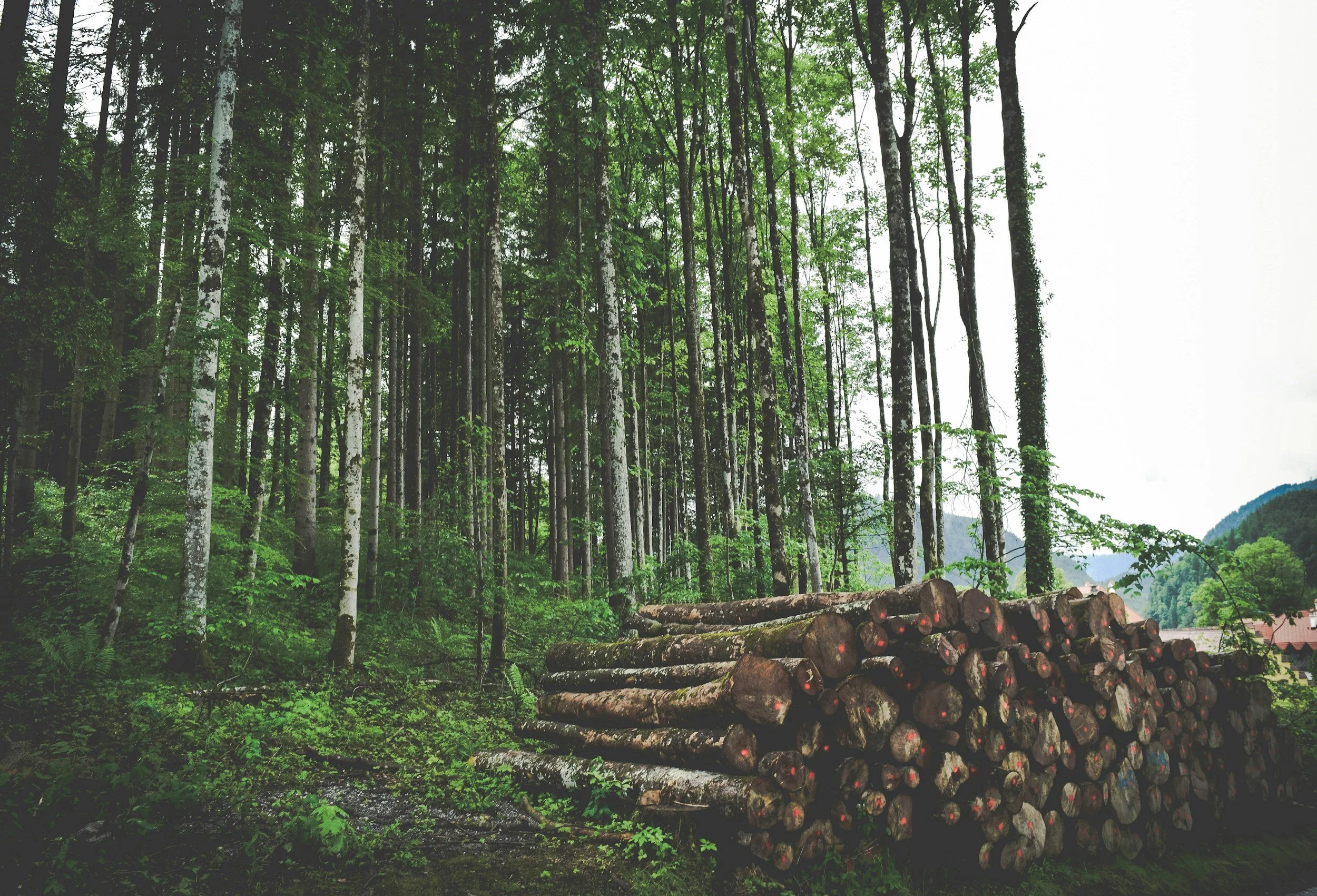
The Trump administration has proposed repealing the 2001 “roadless rule,” which currently protects nearly 45 million acres of undeveloped national forest from road construction and most logging. The change would open areas including the 9 million acres of Alaska’s Tongass National Forest, along with wilderness across the country, to increased logging, mining, and road development. Republican-led states and timber industry groups support this, saying that the restrictions currently limit economic development and make it harder for firefighters to access forests and reduce wildfire risks. The administration says expanding forest management will improve forest health and protect communities from wildfires.
Environmentalists and many ecologists do not support this, and warn that opening these areas could damage some of the country’s last intact forests, threatening wildlife habitat, drinking-water sources, recreation, and the forests ability to store carbon. Experts also question whether more roads would actually reduce wildfire risk. Roughly 85% of wildfires are started by human activity and roads will introduce people, equipment, and invasive species into previously undisturbed areas. The proposal would affect about 44.7 million acres, and the Forest Service is expected to accept public comments before deciding whether to finalize the repeal.
DESIGNING WITH WATER INSTEAD OF FIGHTING IT
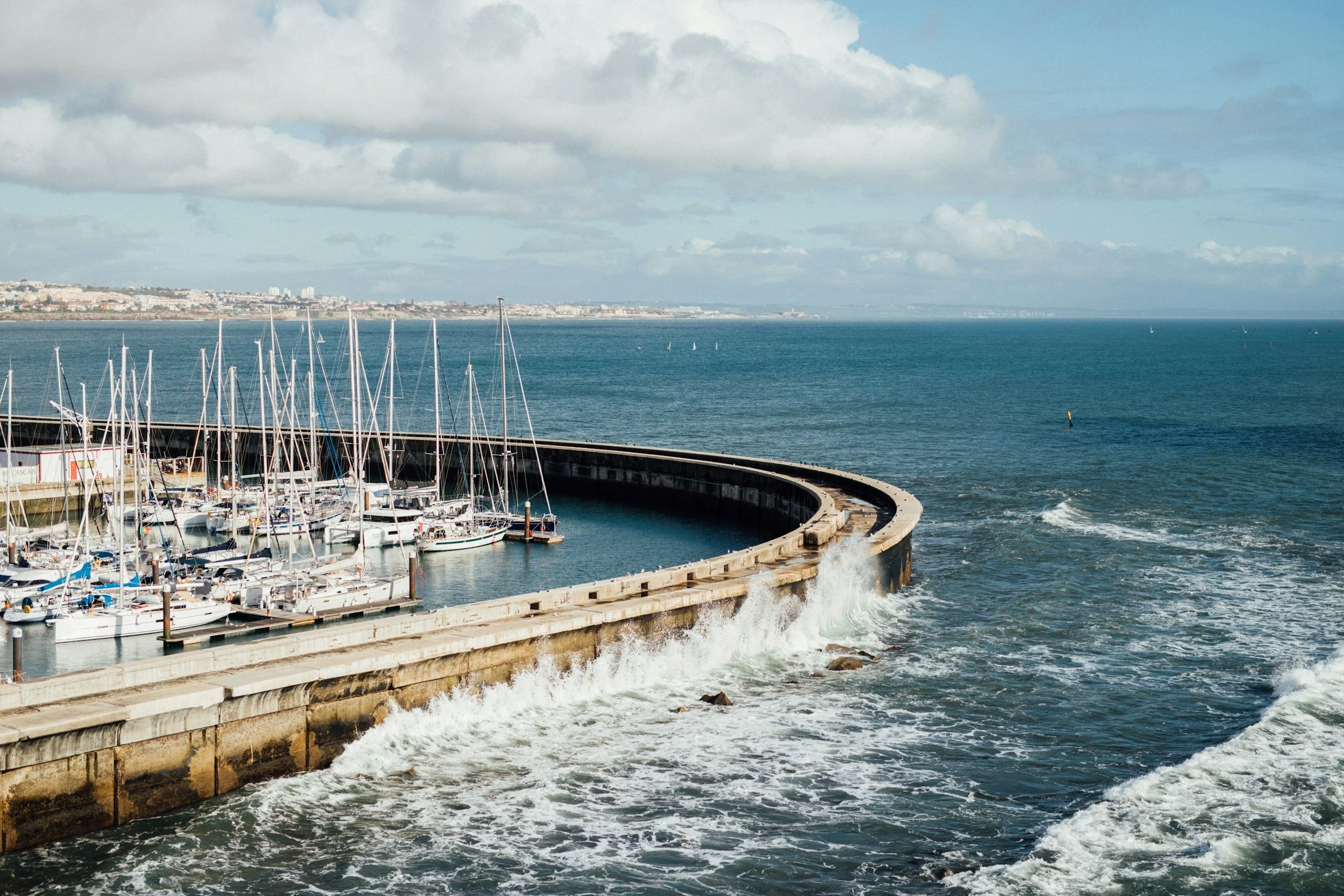
A major shift in climate-adaptive architecture is moving away from the idea that water is something we simply need to keep out. Traditional coastal infrastructure relies heavily on seawalls, levees, and other barriers, but architects and landscape designers are increasingly looking at ways to work with water rather than fight it. One example is the development of “living seawalls,” which use textured, habitat-forming structures instead of flat concrete walls. In Florida, 3D-printed seawall components are being designed with cavities and textures inspired by natural environments like mangrove roots and barnacle formations. In one installation, researchers identified 51 species living on the seawall after just one year, proving infrastructure can both protect shorelines and create marine habitat.
This philosophy is also being applied at the building and neighborhood scale in coastal or waterfront cities. For example, Vista Breeze, a project in Miami, incorporates elevated buildings, flood-resistant materials, native vegetation, wetlands, as well as blue and green infrastructure. Instead of separating flood infrastructure, public space, and architecture, these projects combine them into one system. The goal is shifting from simply creating a hard boundary between city and water toward creating a gradual transition of city, park, wetland, habitat, then water.
Climate resilience doesn’t necessarily mean making buildings more fortified and disconnected from their environment. It can mean designing buildings and landscapes that respond to natural processes and allow water to have somewhere to go. This is becoming more and more relevant in NYC, where resilience increasingly has to provide solutions for flooding, stormwater, extreme heat, and ecological health all at the same time.
AI COMPANIES ARE EXPLORING THE OCEAN AS A PLACE TO BUILD DATA CENTERS

The rapid growth of AI is creating a huge demand for data centers, which consume significant amounts of electricity, water, and land. Not to mention major backlash in the communities where they are being proposed. To address this, AI companies are exploring the ocean as a potential location for data centers, where seawater can provide natural cooling and offshore renewable energy could help reduce emissions. Microsoft tested the idea with an underwater data center off Scotland in 2018, finding that its servers failed at about one-eighth the rate of comparable land-based servers, although the company ultimately ended the project in 2024. Other countries are continuing to experiment, including China, Japan, Singapore, and South Korea, with projects using underwater or floating facilities powered by wind, solar, or tidal energy.
The technology could reduce freshwater use, cooling energy, and pressure to build large facilities on increasingly scarce land. One major challenge would be maintenance, since damaged equipment may require an entire underwater module to be brought to the surface. There are also environmental concerns. Releasing waste heat into the ocean could raise local water temperatures and affect marine ecosystems, while the ocean itself is already warming and facing significant ecological stress. UNESCO estimates that about 60% of marine ecosystems are already degraded or used unsustainably. The big question is whether underwater data centers can help meet AI’s growing energy and infrastructure demands without shifting those environmental impacts from land to the ocean.
OTHER SUSTAINABILITY NEWS
The federal government has ordered Arizona, California, and Nevada to reduce their water use as their water levels are at record lows.
An otter was spotted for the first time in 100 years in New York City’s Bronx River.
Canada just announced $50.2 Billion in plans for North America’s largest-ever clean energy investment. It will be a combination of hydropower, onshore wind, and transmission projects, and will also export power to Massachusetts and New York.
The race to cool buildings with less electricity.
California just became the first U.S. state to implement a “tire efficiency” rule. Not only will it save drivers $1 Billion annually, but the state projects that the changes could reduce carbon dioxide emissions by 2 million tons annually, which it says is equivalent to taking around 400,000 cars off the road.
Latin America's first solar-powered train travels through a stunning 10,000-year-old canyon.
The problem with the current administration’s plan to fight forest fires with roads.
The Environmental Defense Fund is suing to block the Trump administration’s closure of the Colorado-based National Center for Atmospheric Research, a leading climate institute.
Extreme heat waves fuel political tensions in Europe.
Let there be sunlight: Vatican plans solar and agriculture plant to cover its electricity needs.
Jersey City, New Jersey, becomes the latest municipality in the state to ban data centers, bringing the total to more than 30.
Sodium-ion batteries could change how the US power grid stores energy.
Meet Ventyra R1: A DIY 50 watt portable wind turbine that fits in your backpack.
Google launches Operation Blue Skies to tackle ‘contrails’ (those thin white lines in the sky that trail behind airplanes).
New Jersey approved 16 agrivoltaics projects totaling over 52 megawatts. The first in its Dual-Use Pilot Agrivoltaics program, each project will pair solar generation with active farming, including soybeans, hay, grains, vegetables, fruit, and livestock.
How harvesting rainwater can help reduce heatwaves and energy demand, especially in urban areas.