
Sustainability Weekly

Mondays are for…
Honey Bees, Protected Species, Subway Pilot Projects, and more!
by Alli DiGiacomo
Happy Monday! Coming up this week on August 15th is National Honey Bee Day, a day to celebrate honey bees and their very important role in our ecosystems and food systems! Beyond producing honey, bees pollinate many of the fruits, vegetables, and other plants we rely on. Healthy pollinator populations are absolutely essential to a resilient food system. We can support pollinators by planting native, pollinator-friendly flowers, avoiding pesticides, and providing sources of food, water, and shelter in our gardens and communities, and supporting any habitat restoration efforts! If you are curious, here is a list of some of the most popular movies/documentaries on Beekeeping.
Keep reading for this week’s sustainability news…
T H I S W E E K ’ S T O P S T O R I E S
100 OF THE WORLD’S MOST ENDANGERED SPECIES JUST GOT SOME MUCH NEEDED HELP

The Phoenix Species Project is committing $200 million to help 100 plants and animals on the world’s most endangered species list, one of the largest philanthropic efforts ever focused specifically on species recovery. This is a partnership between Leonard DiCaprio's Re:wild foundation and the Bezos Earth Fund, and it will support conservation groups already working on the ground, fund efforts such as captive breeding, habitat restoration, monitoring, and protection from threats like poaching and overharvesting. The species chosen range from the Hickory Nut Gorge green salamander in North Carolina, whose habitat was devastated by Hurricane Helene, to South Africa’s fuzzy belly button succulent, which has lost most of its population to the houseplant trade, as well as the critically threatened vaquita porpoise in Mexico. The Phoenix Species Project is not just looking to manage the decline of critically endangered animals, it’s planning to recover them to the point that a species can survive in the wild on its own, without any human intervention.
While this funding could give these species a much better chance of survival, saving individual species is only part of the solution. Habitat destruction, pollution, climate change, and resource consumption continue to cause biodiversity loss. There are more than 11,000 species currently classified as critically endangered or extinct in the wild.
MTA IS EXPLORING TURNING SUBWAY HEAT INTO ENERGY WITH A NEW PILOT RADIANT HEAT INSTALLATION
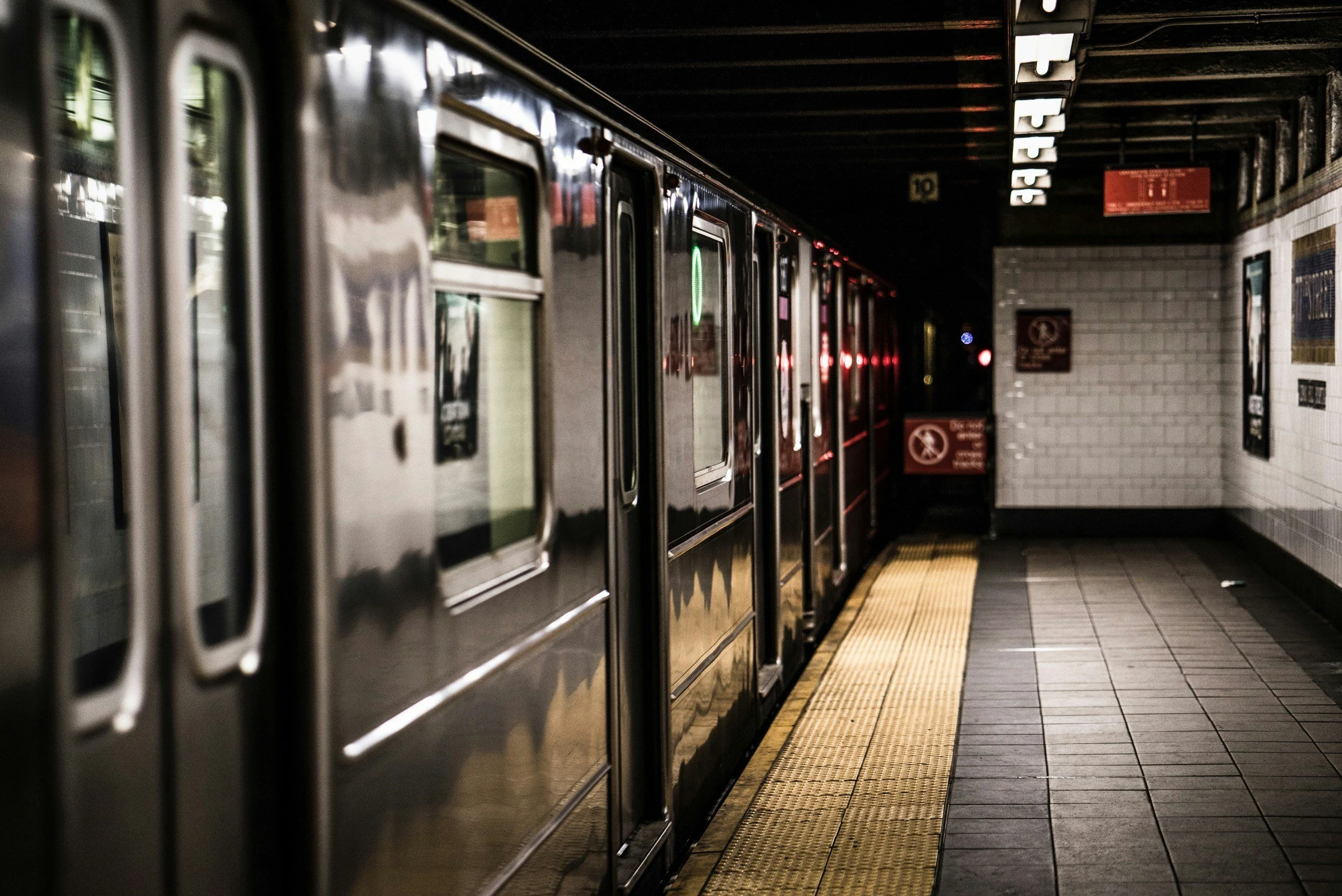
During the summer, NYC’s subway stations can reach over 100 degrees and are often up to 20 degrees hotter than the outdoor temperature. The City is testing a pilot project to cool these extremely hot subway stations without relying on traditional air conditioning. The MTA and Toronto-based Cascara Energy are testing a radiant cooling system at East Broadway station, using chilled-water pipes installed in the ceiling arches to absorb heat and make the space more comfortable. Unlike conventional AC, the system doesn’t blow cold air and is expected to use 25–35% less energy, making it easier and more affordable to retrofit into the city’s old stations. The pilot will run through 2027 and be monitored on how effectively the system can keep temperatures around 85°F despite heat from trains, passengers, electronics, and open entrances.
If successful, the project could turn this problem into an energy resource. Instead of simply removing the waste heat, the system could potentially capture and “mine” it and send it to nearby buildings to heat water. This would help to keep pressure off the already over-loaded electricity grid and reduce the reliance on fossil fuels. A similar approach is already being used in London, where waste heat from Underground tunnels provides heating for thousands of buildings. For NYC, the East Broadway pilot is still an experiment, but if successful after a year, it would be a more energy-efficient way to adapt the subway system to rising temperatures while putting the enormous amount of waste heat generated underground to use.
AS NYC WATER RECREATION INCREASES, OFFICIALS ARE FIGHTING A SEWAGE NOTIFICATION ORDER
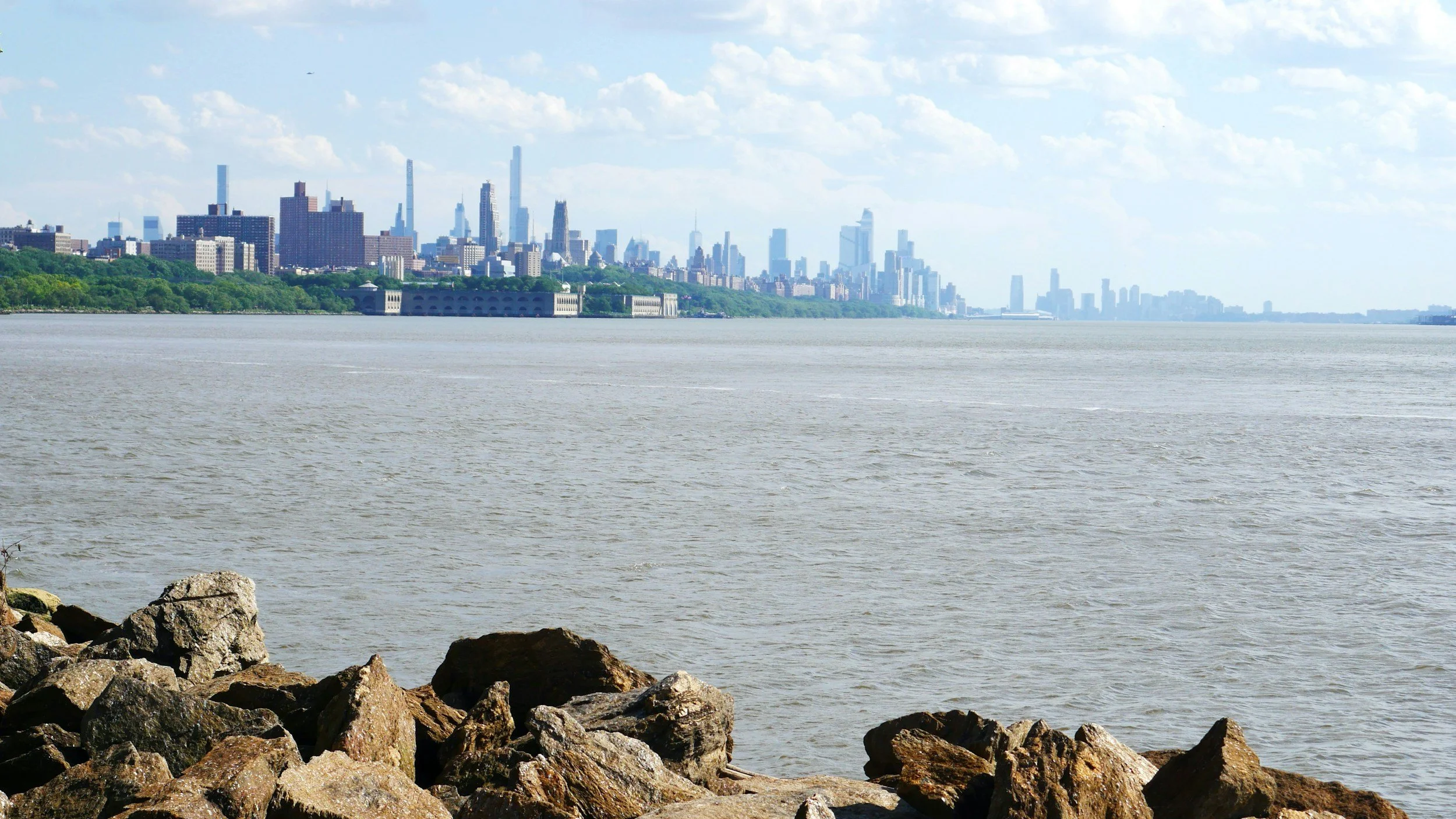
New York City’s waterways are cleaner than they were decades ago, but heavy rain can still trigger combined sewer overflows (CSOs), which if you don’t know, is a mixture of stormwater and untreated sewage sent into local rivers and creeks. Around 60% of the city’s sewer system is combined, and in 2024 it’s estimated that 20.25 billion gallons overflowed into local waterways. Not only does the polluted water harm the wildlife and environment, but it exposes the public to gastrointestinal illnesses such as norovirus. The Sewage Pollution Right to Know Act requires the city to inform the public about combined sewer overflow events within four hours of discovery. Newtown Creek Alliance and other environmental groups have been going back and forth for years and filed a lawsuit against the Department of Environmental Declaration (DEP), pushing the city to provide more timely public warnings whenever these discharges occur. In the original 2020 filing, the groups found that sewage discharges occurred at least 52 times in 2019, but the DEP only issued 11 water quality advisories.
This is happening at a time when more and more New Yorkers return to the waterways for kayaking, fishing, and other recreation. It should be noted that the city is investing in green and grey infrastructure to address the problem. A planned 3.2-mile tunnel beneath Newtown Creek will be able to store ~50 million gallons of polluted water during storms and is expected to reduce annual CSOs by ~70%. Gowanus Canal, another Superfund Site, is getting detention tanks capable of storing another 12 million gallons. These “gray infrastructure” projects are being paired with green infrastructure, including restored marshes, green roofs, and rain gardens, to manage stormwater more naturally.
OTHER SUSTAINABILITY NEWS
Check out this cool interactive U.S. map, River Runner, to see how a raindrop can travel thousands of miles. (For example, try clicking on Montana - mind blowing!)
A new Amazon gas power plant is set to be built in Texas to service a data center. It would be the single largest CO2 emitter and source of environmental pollution in the US by a factor of two, emitting 33 million tons of annual greenhouse gases.
The U.S. is enduring “one of its worst wildfire seasons in years”, “scorching millions of acres.”
Grid cybersecurity: how big is the threat & what should we do about it? (Podcast Script)
Is the recycling symbol free speech? A judge just ruled it could be.
Switzerland has turned its train tracks into solar power plants.
How wildfire smoke is reshaping childhood.
Mosquitoes top the ranking of the world's deadliest animals, and snakes come in 2nd place.
Scientists map the Great Barrier Reef’s microbiome for the first time.
Earth Action published what it says is the first system-level assessment of microfiber losses during textile production, estimating that factories shed more than 92,000 tons of fibers into wastewater each year.
Scientists created a “fungi fabric” that can clean and repair itself.
North Carolina voted to protect animals in the Great Smoky Mountains with a historic $10.2 million investment in wildlife crossings.
Some of Boston’s most energy-intensive institutions are collaborating on a project testing out the possibility of using the ocean’s thermal energy stores to heat and cool their buildings.
Offshore wind farms hold the key to sustainable seaweed at scale.
Meet the devil worm that prowls Earth's crust, the world’s deepest living animal.
Ever wondered how a garbage truck works?