
Sustainability Weekly

Mondays are for…
Peak Summer, Earth Overshoot Day, Nuclear Waste, and more!
by Alli DiGiacomo
Happy Monday and August! It’s peak summer in NYC, and there is plenty to do! Here are a few ideas:
Happening again this weekend is NYC Open Summer Streets, see here for details.
See here for a list of local, in-season produce this month that you can get at a local farmers market.
There is still time to catch a free outdoor movie at one of NYC’s Parks!
Check out a free outdoor concert during a Summer Stage event.
Free kayaking at Pier 26 for the whole season.
Walk or bike (with your Citi Bike membership) along the Hudson River or East River Greenway.
Keep reading for this week’s sustainability news…
T H I S W E E K ’ S T O P S T O R I E S
WHAT ANTARCTICA RECENTLY REACHING -119°F, EARTHS COLDEST TEMPERATURE SINCE 2012, TELLS US ABOUT THE FUTURE OF ARCHITECTURE
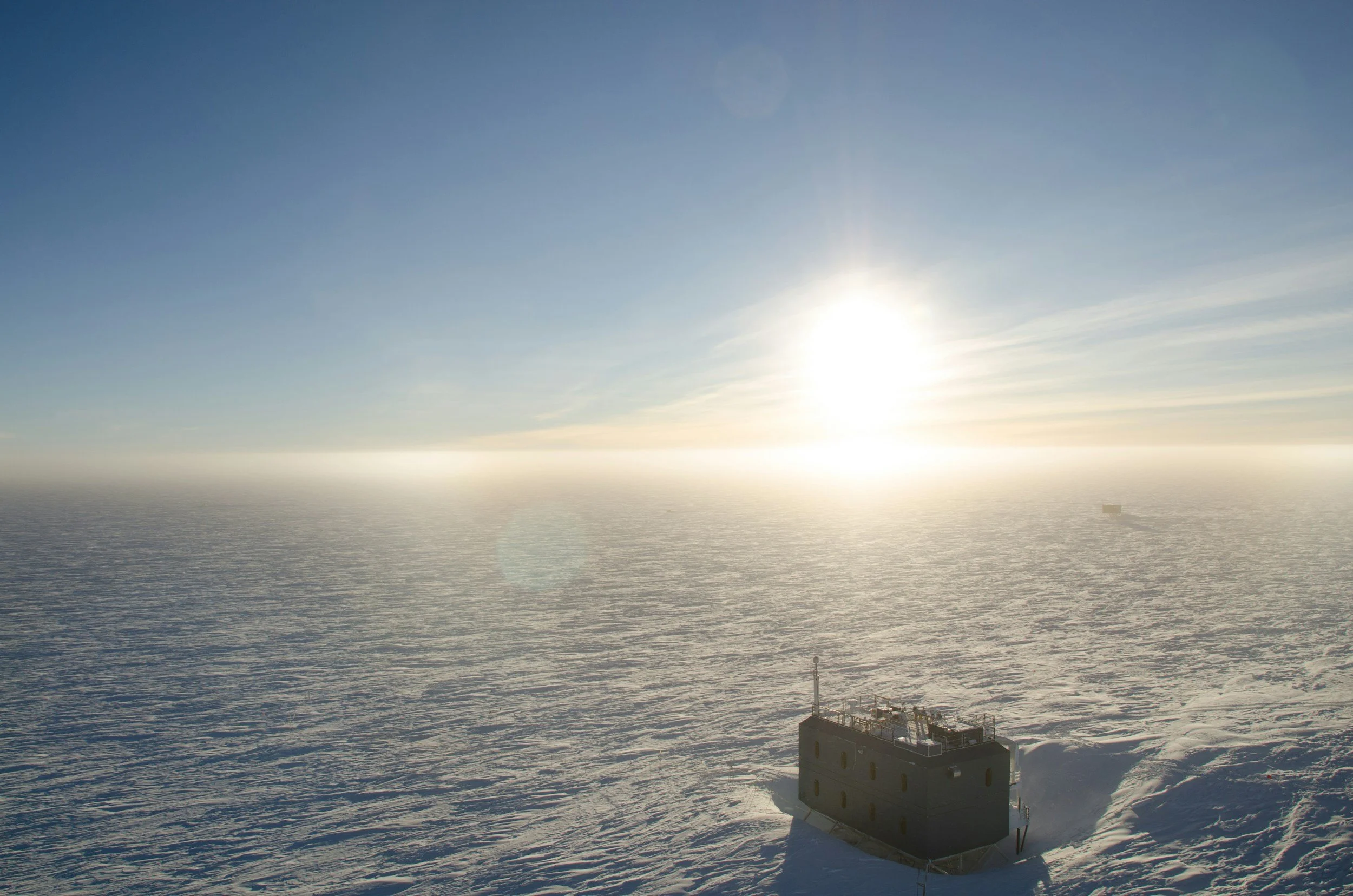
Earth recently experienced its coldest temperature since 2012, -119.4°F, recorded in Antarctica at the Concordia Research Station on July 18th. If you are curious, the coldest temperature ever recorded was -128°F in 1983 in Antarctica. A friendly reminder that while the rest of the world continues to experience record-breaking heat, this is an example of how climate change intensifies climate variability (not eliminating extreme cold). The station is located more than 600 miles from the nearest research station and it is inaccessible for 9 months each winter, making it one of the most remote and inhospitable places on Earth. The harsh conditions make it an invaluable living laboratory, not only for climate science but also for understanding how people can safely live and work in the planet's most extreme environments, or even space.
Concordia Research Station is teaching us a lot about the future of architecture by demonstrating how buildings can function as complete life-support systems rather than simply shelters. Its two elevated, 18-sided towers are raised above the snow to prevent getting buried by drifting ice or snow. They are constructed using highly insulated prefabricated panels and rely on circular “cogeneration systems” that capture waste heat for warming the facility. Water is continuously treated and recycled through a closed-loop system. The two towers are separated by one quiet living space, and one noisy work area to support occupants' mental well-being during months of isolation (check out a floor plan here)Because of these innovations, the European Space Agency uses Concordia as a "White Mars" analogue, studying how people live in extreme confinement as preparation for future lunar and Martian missions. And since climate change is bringing more extreme weather, rising sea levels, and increasing pressure on our infrastructure, these resilience strategies, ranging from energy efficiency and resource conservation to modular, autonomous design, are becoming more and more relevant for buildings here on Earth.
JULY 30TH WAS THE OFFICIAL EARTH OVERSHOOT DAY FOR 2026
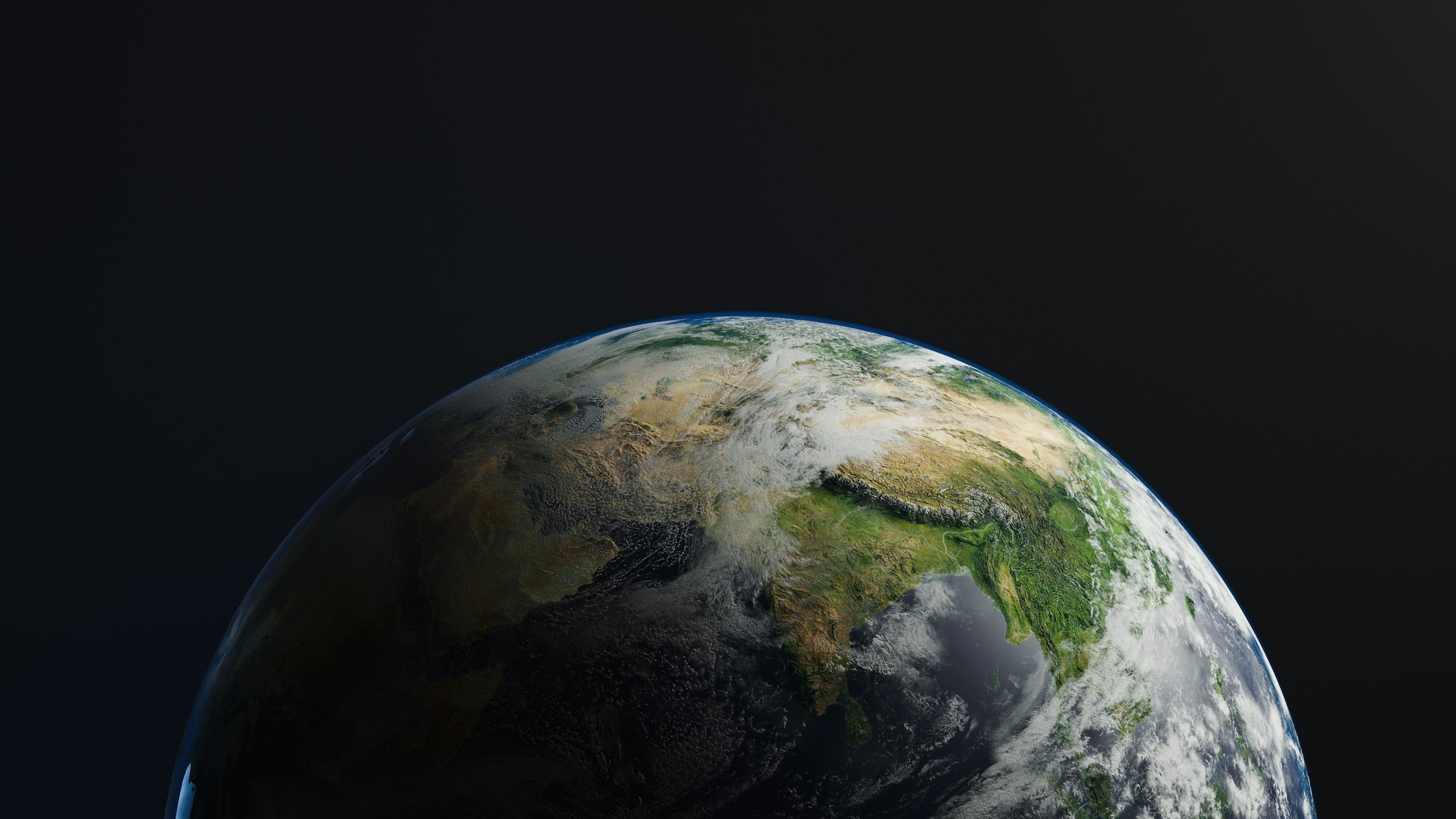
Earth Overshoot Day fell on July 30th this year, which is the date when humanity’s demand for natural resources exceeded what Earth’s ecosystems can regenerate in a single year. This means that at our current rate of consumption, we are using our resources 73% faster than the planet can replenish it, or the equivalent of living as if we had 1.73 Earths. Each country has their own calculations, and the United States was on March 31st. Overshoot is driven by many factors, such as burning more fossil fuels than ecosystems can absorb, consuming freshwater faster than it is replenished, harvesting forests more than their ability to regrow, and catching fish faster than populations can recover. It is no surprise that ecological overshoot is actually at its highest level ever recorded.
Earth and humanity have been running on an ecological deficit since the early 1970s, steadily accumulating an “ecological debt.” Scientists estimate that restoring the damage already done would require more than 20 years of complete planetary recovery, even if no additional damage is done. Overshoot risks food insecurity, economic instability, and risks to our energy systems and public health, but not many (basically none) governments currently treat resource security as a priority in economic planning. Bringing awareness to Earth Overshoot Day is a reminder that addressing climate change, reducing our emissions, protecting ecosystems, and using resources more efficiently are not only environmental priorities, but also investments in the long-term resilience of our planet.
FIVE STATES STEP UP TO ACCEPT NUCLEAR WASTE IN EXCHANGE FOR FEDERAL HELP
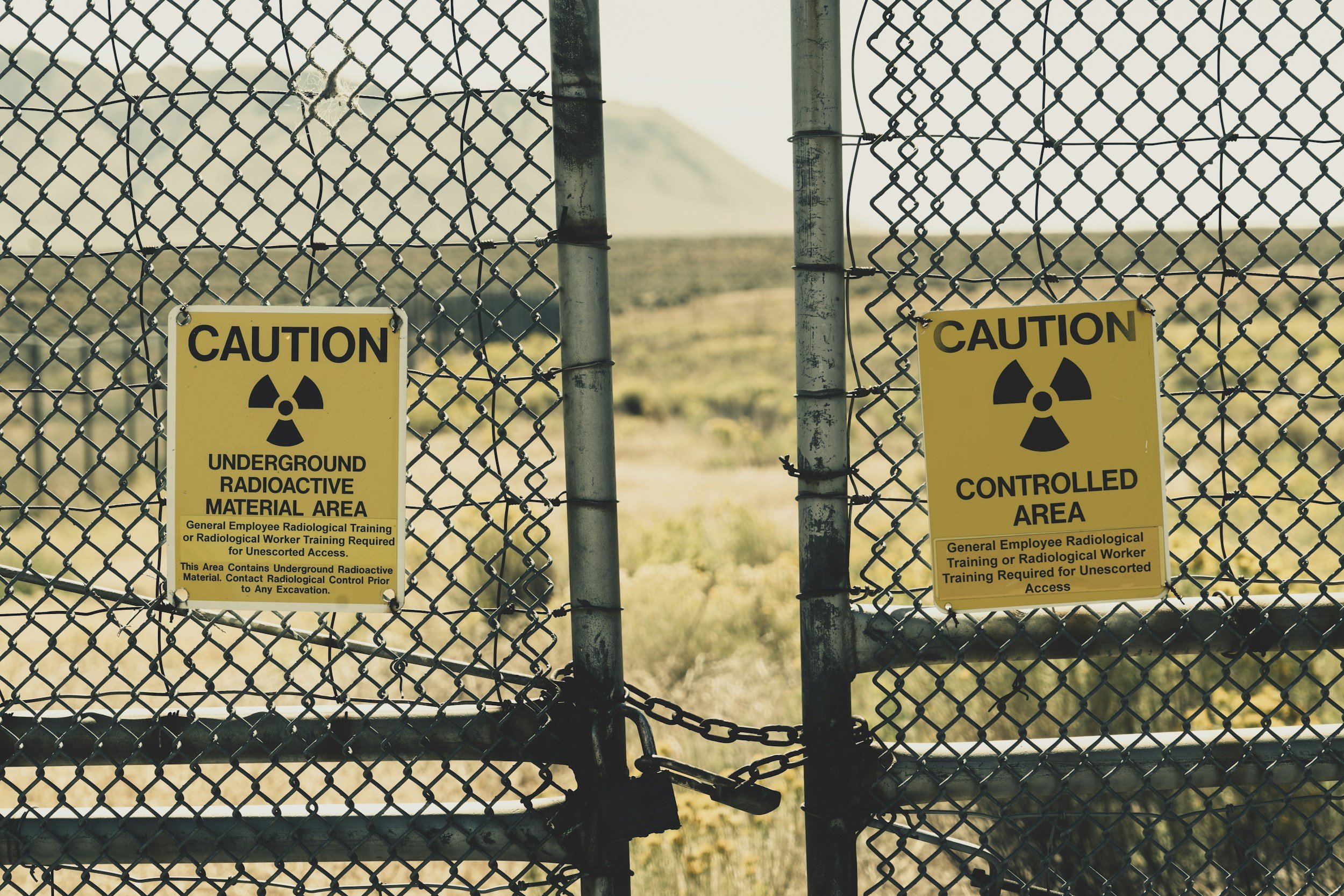
Nuclear waste is the highly radioactive material left over after uranium fuel rods have been used to generate electricity in a nuclear power plant. Although the fuel can no longer efficiently produce power, it remains radioactive for thousands of years and must be safely stored or recycled. Five states (Tennessee, Louisiana, Oklahoma, Utah, and Idaho) have volunteered to help with one of the country's biggest nuclear energy challenges by hosting new Nuclear Lifecycle Innovation Campuses. These campuses would store spent nuclear fuel while also supporting uranium enrichment, fuel recycling, advanced reactor development, and medical isotope production. Currently, over 95,000 metric tons of nuclear waste are being stored at nuclear plants across the country, many of which are near high population areas. The Department of Energy selected the five states from 28 applications, advertised as the potential for up to $50 billion in private investment, thousands of high-paying jobs, and billions in state and local tax revenue.
The initiative is because of the Trump administration’s big push to dramatically expand nuclear power to account for the rising electricity demand from AI and data centers. One of the biggest challenges of nuclear power is the long-term waste storage. A lot of people see this plan as an “important step toward modernizing the U.S. nuclear industry”, but some are cautious about recycling spent fuel because of the responsibility, cost, and security concerns. Note that this proposal still requires congressional approval.
OTHER SUSTAINABILITY NEWS
"What can I do?" Anything.
The world's tallest mass timber tower tops out in Sydney at 39 stories.
"Human refrigerator" provides escape from deadly heatwaves.
Trump Administration Moves to Spare Space Companies From Environmental Reviews.
People’s photos are helping scientists record marine life in real-time in the Canary Islands.
A study on how swapping gas stoves for induction impacts people with asthma was canceled early after the U.S. EPA revoked its funding, but even its partial results show profound health benefits.
New York state responds to federal concerns about the amount of agricultural land being used for solar installations, noting that solar occupies just 6,000 acres of the state’s 4.6 million acres of prime farmland.
New Zealand just added five new marine reserves, its biggest expansion in over a decade
MIT engineers designed a fully recyclable elastic yarn that can be melted and respun many times. They were looking to cut down on the world’s growing mountain of textile waste, and their design is as flexible as spandex, but recyclable.
How urban design leads to better wellness.
The Great Bubble Barrier: How air bubbles are stopping river plastic before it reaches the sea.
Texas A&M researchers are developing fish-like swimming nanorobots that could make lithium recovery from seawater more efficient and help strengthen the domestic supply of a critical mineral.
Solar farm owners in Maine manage vegetation growth by hiring local farmers who bring in sheep to graze under and around the panels.
The spotted lantern fly is ravaging the eastern US. Pet dogs are coming to the rescue.
A group of ‘old ladies’ has removed 6,000 pounds of trash from Cape Cod in just 8 years.
Inside Chernobyl, a Fungus Has Been Quietly Feasting on Radiation.
Architecture is About to grow a Nervous System: Buildings that sense, heal, and evolve aren’t science fiction—they’re being cultivated in labs right now.