

Mondays are for…
Flooding Resilience, Magnetic Bees, Mirrors in Space, and more!
by Alli DiGiacomo
Happy Monday! Happening this week on Friday, July 31st, GrowNYC is celebrating 50 years at the Union Square Greenmarket from 4-8pm (see more here). Also this weekend is the 2nd NYC Open Summer Streets in Manhattan. Each borough has different dates and locations, see here for all of the information.
Keep reading for this week’s sustainability news…
T H I S W E E K ’ S T O P S T O R I E S
MAYOR MAMDANI COMMITS $43 MILLION TO JUMP-START NYC ANTI-FLOODING EFFORTS
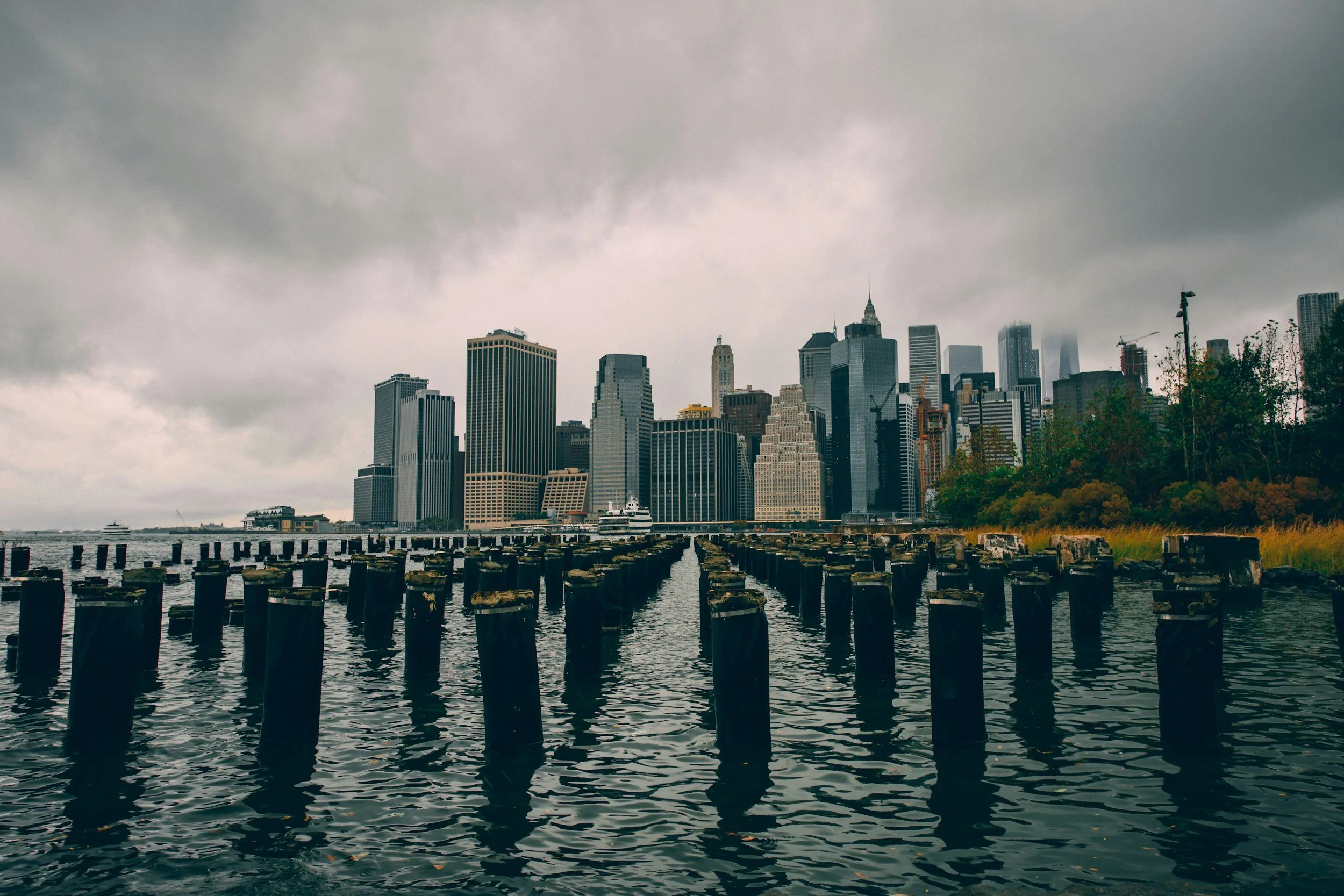
New York City is investing $43 million to strengthen its efforts to protect neighborhoods from flooding as climate change increases the risks of sea level rise and stronger, more intense storms. Mayor Zohran Mamdani announced the funding will expand the Bureau of Coastal Resilience, growing its staff from 6 employees to about 75. They will oversee major coastal protection projects, including the operation of more than 100 flood gates in lower Manhattan scheduled to come online in 2027. The bureau will also coordinate more flood resilience projects across the city's 520 miles of coastline and help prepare for future climate threats.
The investment takes lessons learned from Hurricane Sandy, which caused $19 billion in damage and exposed New York's vulnerability to coastal flooding. Currently, one in five New Yorkers now live in a flood-prone area, and there is $250 billion in property at risk. Sea levels are projected to rise by as much as two feet by 2050. Although this funding is welcomed, it is only a fraction of what NYC will need, which is estimated to require more than $130 billion for flood protection and over $387 billion in resilience infrastructure by 2050. See here for the NYC Floor Hazard Mapper.
U.S. FEDERAL GOVERNMENT APPROVES THE TEST LAUNCH OF A MIRROR IN SPACE TO LIGHT THE NIGHT SKY
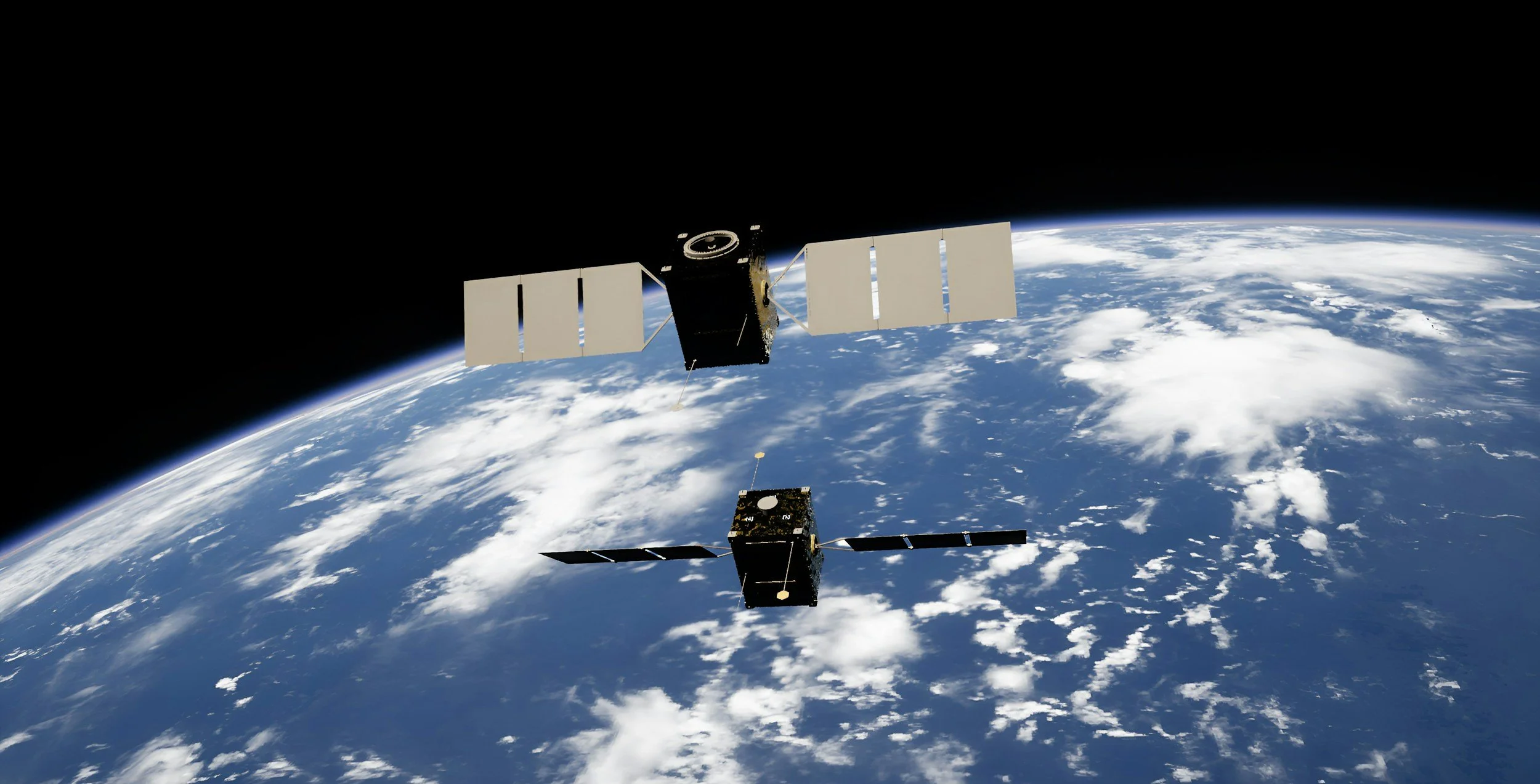
The U.S. Federal Communications Commission (F.C.C.) has approved Reflect Orbital's ,a California startup, plan to test a satellite with a 60-foot-wide mirror that would reflect sunlight back to Earth after dark. The demonstration satellite is scheduled to launch later this year, and plans to illuminate a three-mile-wide area for uses like lighting city streets, supporting emergency response, extending solar farm operations, and even supporting nighttime construction. The company wants to eventually deploy thousands of these mirror satellites, and will charge cities/businesses about $5,000 per hour for the service. Their convincing argument is that the technology could “reduce reliance on fossil fuels and unlock new uses for clean energy.”
The project has created lots of controversy with more than 1,800 public comments (most of them opposed), and criticism from astronomers, environmental scientists, and wildlife experts. They warn the reflected light could interfere with astronomical research, disrupt the natural day-night cycles that humans, animals, and plants depend on, and cause hazards for aircrafts. The FCC acknowledged the concerns, but said its authority is limited to satellite communications and approved only a single demonstration mission. Reflect Orbital says the test will evaluate both the technology and built-in safeguards before deciding whether to move forward with a much larger satellite network.
SCIENTISTS DISCOVER BEES HAVE INTERNAL MAGNETIC COMPASSES USED FOR NAVIGATING THE WORLD
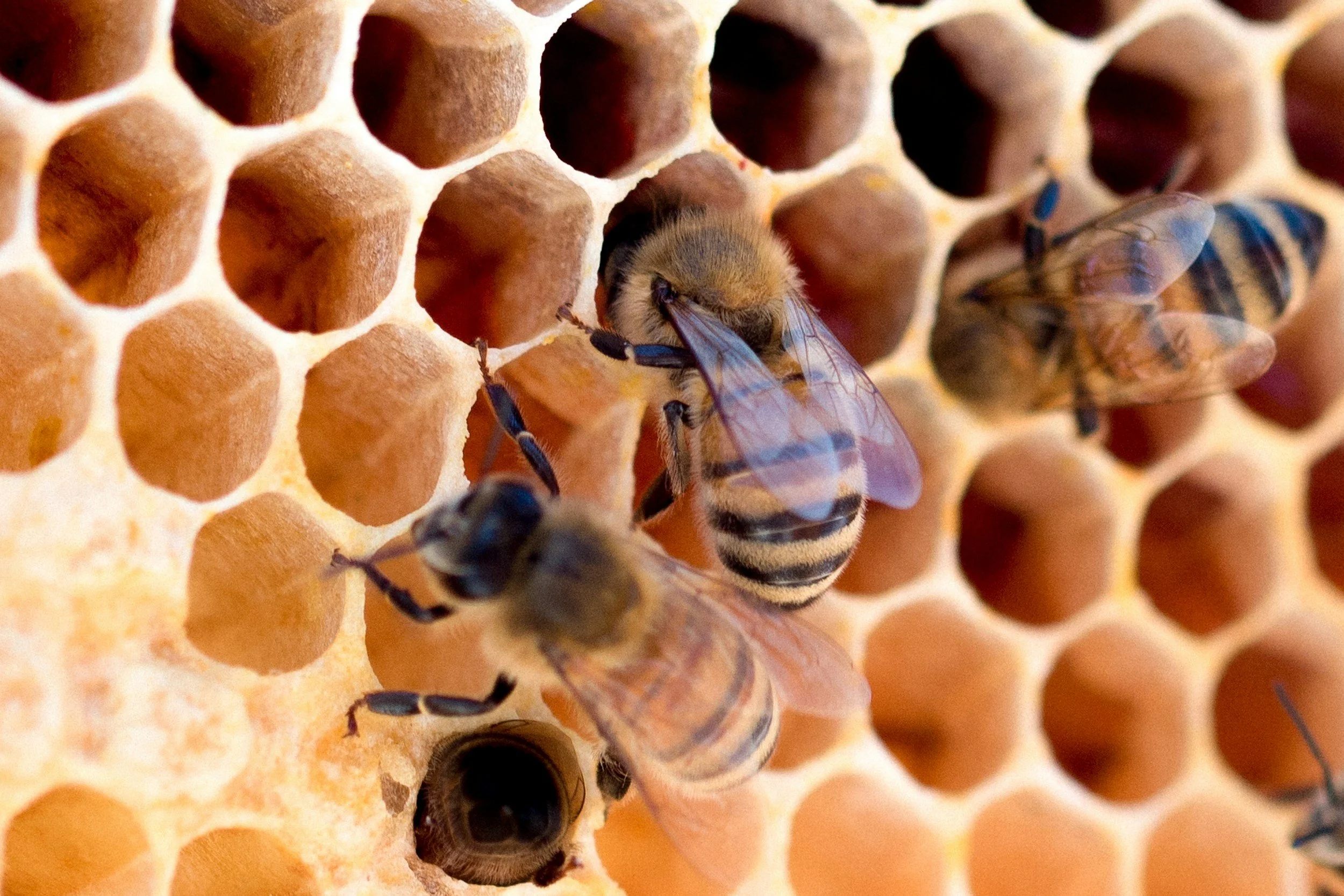
A new study suggests that many more bee species have a built-in magnetic compass than scientists previously realized. Researchers found tiny magnetic particles in 74 of the 96 bee species they tested, including both social and solitary bees, as well as ground- and cavity-nesting species. The ability to sense Earth's magnetic field may be an ancient trait that evolved long before modern bees, potentially helping them navigate while foraging and finding their way back to their nests. The study doesn't prove that all of these bees actively use magnetoreception, but it provides strong evidence that many species have the biological machinery to do so. Larger, social, and cavity-nesting bees tended to have stronger magnetic responses. Scientists hope future research will reveal exactly how bees use this hidden sense and what role it plays in pollination, navigation, and survival.
OTHER SUSTAINABILITY NEWS
Pancake the rescued sea turtle was released on Coney Island beach.
New Species of Monkey Discovered in the Congo.
China wants to increase its renewable energy consumption 53% in five years.
The Trump administration admitted in court documents that it canceled $7.6 billion in clean energy for 16 states (including 8 in the Northeast) solely because those states voted for Democrat Kamala Harris in the 2024 presidential election.
US factories are struggling to get cleaner heat. These ideas may help.
Italy could be the next country to build a solar railway after Switzerland’s successful trial.
Sweden announced plans to ban forever chemicals in everyday products ahead of EU. “PFAS should not be found in clothing, cosmetics, kitchen utensils and other everyday products when there are working alternatives,” says the Minister for Climate and the Environment.
A visual artist’s latest work protests offshore drilling on the same Greek isle that inspired ‘The Odyssey’.
Pigeons have a new career path: detecting cancer.
The world’s largest jellyfish was spotted near Cape Cod. Its tentacles can be twice the size of a city bus.
Fans don’t cool rooms and 3 other myths about home energy conservation.
Will climate change make plague-filled NYC summers like this one the new norm?
An architect’s opinion on the ‘Green New Scam,’ a $3.48 Trillion Lie.
Software is helping this real estate giant burn less gas in NYC.
What to do with clothes you can’t donate.
Fungi help turn old mattresses into insulation.
'Demented white noise': What it's like inside the AI boom.