
Sustainability Weekly

Mondays are for…
Mangroves, Data Center Bans, Pocket Gardens, and more!
by Alli DiGiacomo
Happy Monday! This past week was tough, between the wildfires causing toxic air pollution, flash floods and tornados, yet another heat wave, all on top of trying to avoid contracting the parasite somehow. What’s that viral quote again? “Climate change will manifest as a series of disasters viewed through phones with footage that gets closer and closer to where you live until you’re the one filming it.” How many unprecedented disasters must occur before the explanation is allowed to stick and we stop pretending this is normal?
In other news, happening this week on Friday, July 31st, GrowNYC is celebrating 50 years at the Union Square Greenmarket from 4-8pm (see more here). Also Sunday, July 26th, is World Mangrove Day. For those of you who don’t know, mangroves, which are the ecosystems between land and the sea, are one of the most unique landscapes on Earth because they also act as natural protection for coastal communities and erosion, are powerful carbon sinks, and are extremely biodiverse. Learn more about mangroves here.
Keep reading for this week’s sustainability news…
T H I S W E E K ’ S T O P S T O R I E S
NEW YORK BECOMES THE FIRST STATE TO BAN HYPERSCALE DATA CENTERS
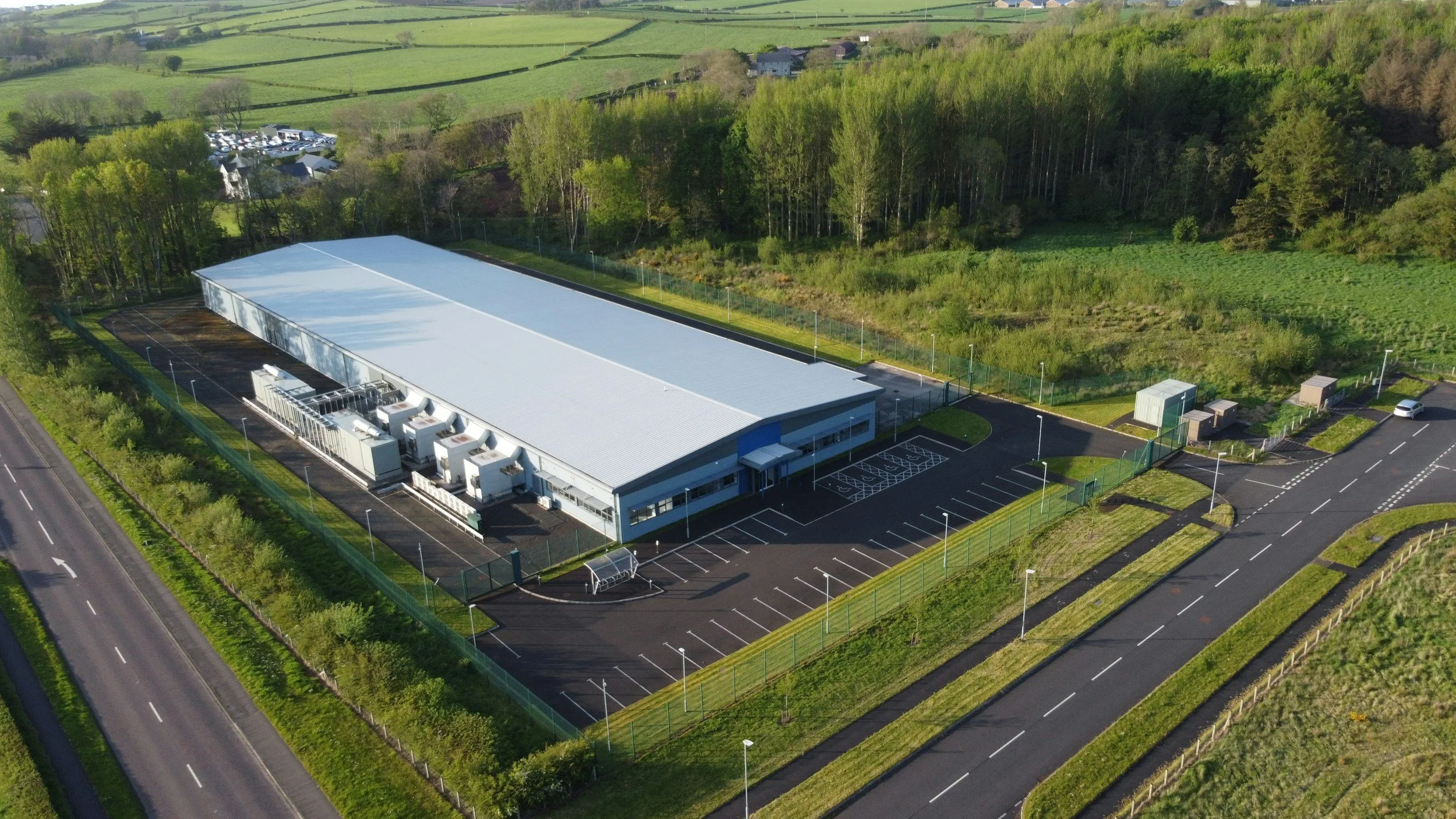
New York has become the first state to temporarily pause the development of new hyperscale data centers, with Governor Kathy Hochul issuing a one-year moratorium while the state develops regulations to address their impacts on the electric grid, water resources, local communities, and the environment. This is happening after concerns over the enormous energy demands of AI-driven data centers, with four facilities already operating in NY and about 40 more proposed. The pause will allow time to establish consistent statewide standards that protect ratepayers, limit noise and land disruption, and ensure future projects align with NY's climate and clean energy goals.
The moratorium reflects an overall concern over the extreme expansion of data centers and how they could increase electricity costs and deplete water supplies. There is controversy over this decision because environmental groups welcomed it and saw it as a chance to create stronger long-term safeguards, some companies and organizations argued it could delay economic development and union jobs. As the first statewide pause of its kind, NY could influence other states (such as Maine and Michigan already considering it) as they balance the growing demand for AI infrastructure against energy reliability, environmental protection, and community impacts.
POCKET GARDENS ARE TINY AREAS WITH BIG BENEFITS
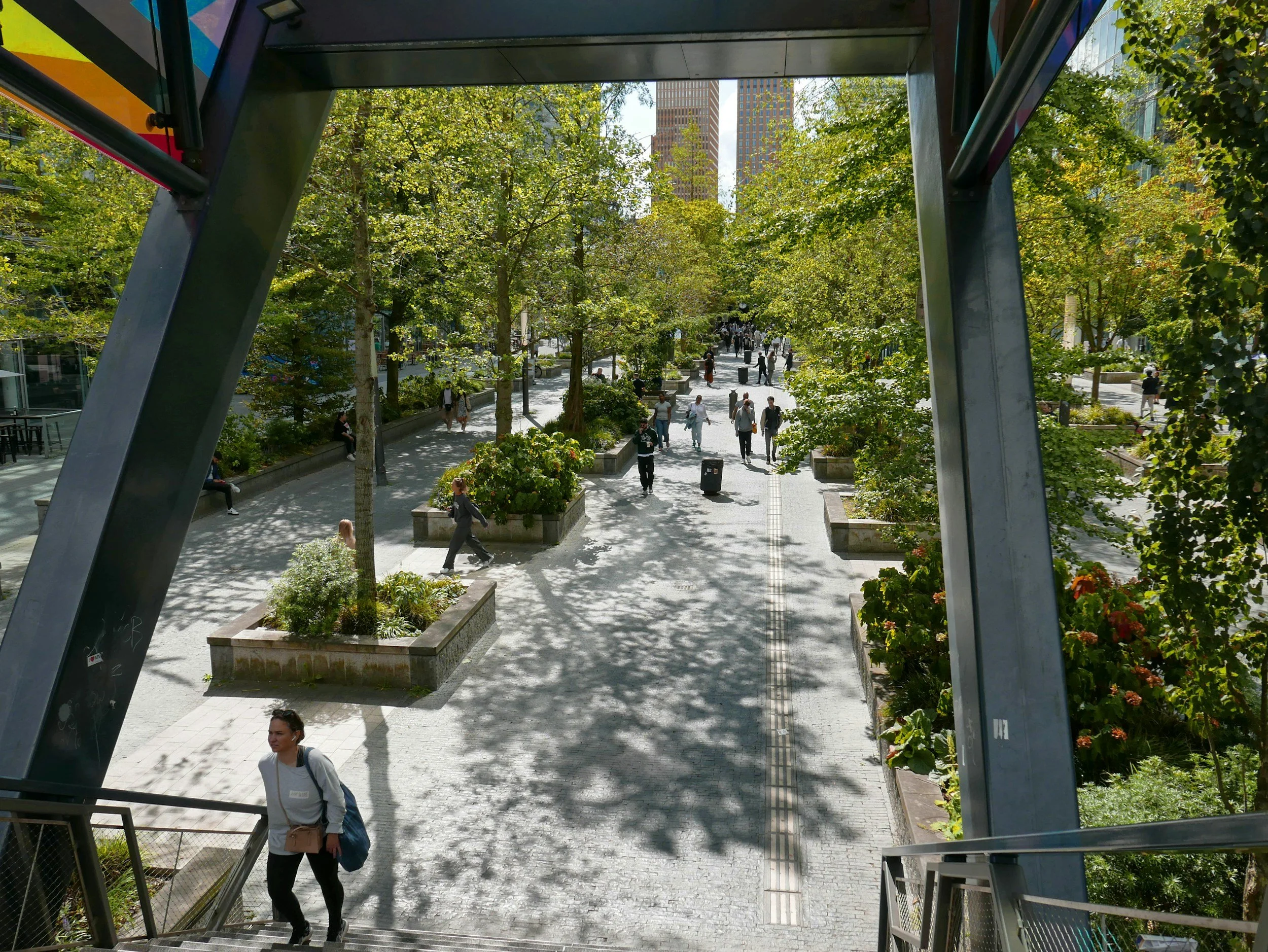
Pocket gardens are the small green spaces tucked into sidewalks, campuses, hospitals, and other otherwise underutilized urban areas, and multiple studies prove they are proving they have various positive impacts on city life. They help cool neighborhoods in the summer, reduce flooding by absorbing stormwater, improve air quality, support pollinators and wildlife with native plants, and create welcoming places for people to gather and relax that improve mental health. They also help combat the urban heat island effect, lower noise pollution, and encourage walking and social interaction, all of which contribute to better physical and mental health. Not every city has the space to add in large parks the size of Central Park at this point, but they do have the space for pocket gardens.
As cities adapt to climate change and also increasing populations, pocket gardens are becoming an increasingly valuable part of urban infrastructure and their benefits add up to be comparable to larger city parks. Their diverse, native vegetation makes them more resilient to disease, lowers maintenance needs, and provides biodiverse habitat for wildlife. Using many different species of plants attracts a wider range of pollinators. Another benefit that is harder to quantify is how pocket gardens, and urban green spaces in general, make a city more liveable and pedestrian-centered (vs car-centric). Examples like Los Angeles’ “Sponge City Initiatives" or Barcelona's "green axes" have proven how replacing pavement with greenery can create quieter, cooler, and more pedestrian-friendly communities. The small pockets of nature can provide just as many important environmental, health, and social benefits as larger city parks.
THE DEEP OCEAN IS CHANGING OUR CLIMATE FASTER THAN WE REALIZED
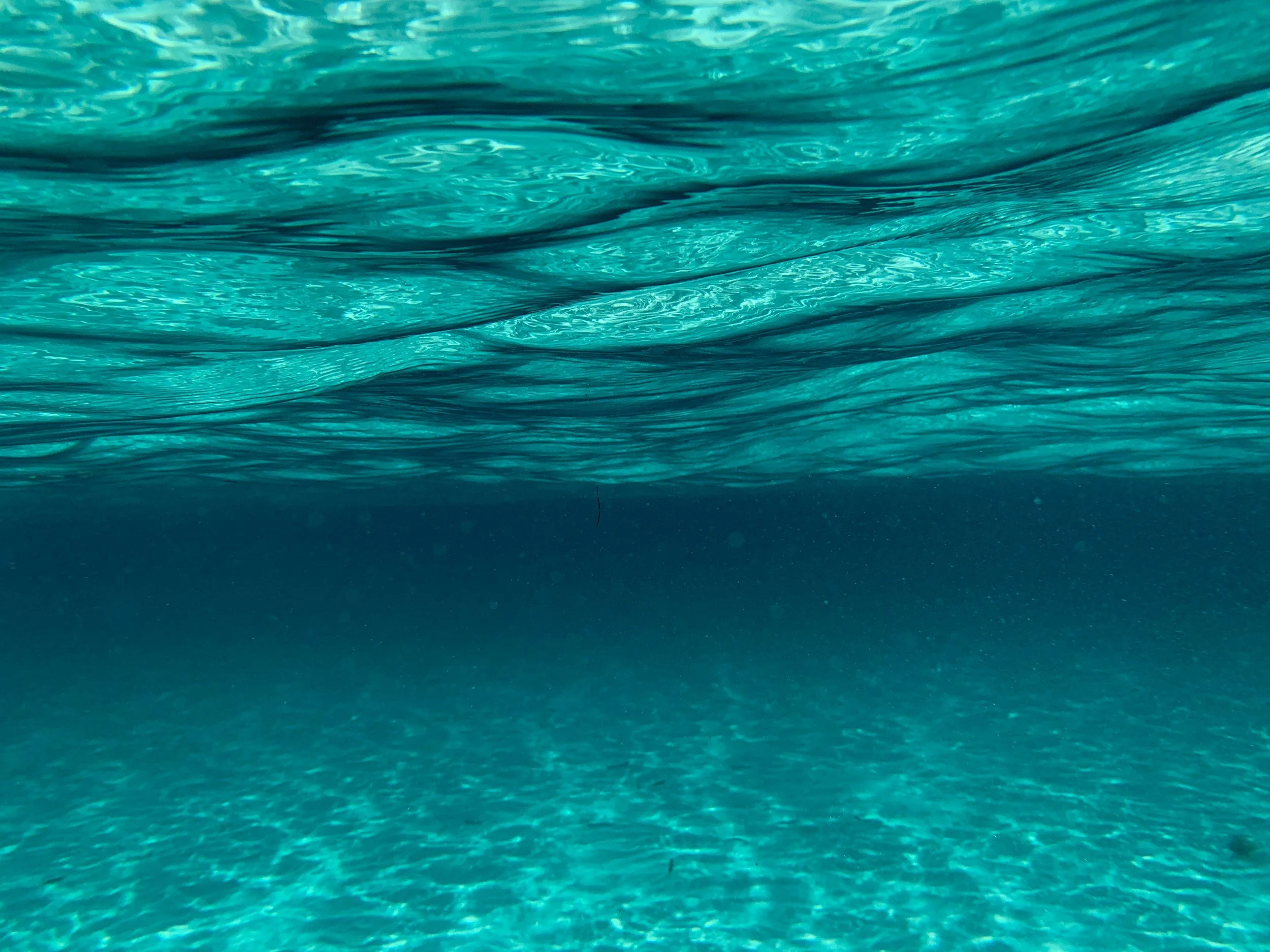
A new study suggests the deep ocean is influencing climate change much faster than scientists once believed. It found that tiny turbulent currents deep below the ocean's surface move heat, carbon, oxygen, and nutrients throughout the ocean on timescales of decades (not thousands of years as previously thought) meaning they can affect sea level rise, fisheries, storm intensity, and the ocean's ability to absorb carbon within a human lifetime. The team tracked chlorofluorocarbons (CFCs) and discovered deep waters can travel from Antarctica to the Pacific and Indian Oceans in just 40 years. This also means that many current climate models underestimate the speed and impact of these processes. This is yet another reason why we need more accurate ocean monitoring and improved climate models to better predict future climate impacts and help design adaptation solutions.
OTHER SUSTAINABILITY NEWS
How cities are turning their polluted rivers into swimming havens.
NYC’s $6 billion power line from Canada is likely down for the rest of July.
Wildlife overpasses aren’t just popular in the U.S. — the movement is gaining momentum globally.
Clean energy still beats fossil fuels on cost, despite, well, everything.
A global citizen science project is asking volunteers to search Arctic satellite images for walruses.
Heat waves and climate change: What’s the connection?
The Trump administration finalizes a change to how the Endangered Species Act is enforced, opening up critical wildlife habitats to oil and gas drilling and other development.
A second grader wanted to know if his pet caterpillar would remember him. His experiment shocked scientists.
Designing for Impact: How Data-Driven Workflows Are Reshaping Sustainable Architecture.
Florida’s popular specialty sea turtle license plate has raised an estimated $8 to $10 million in support for the state’s sea turtle conservation programs.
Distributed solar saved utility customers in New England more than $130 million during this month’s heatwave, a report found.
Flooding is becoming more frequent. Here’s how New Yorkers should prepare.
An old-school geothermal giant rides the tech’s newfound popularity.
Most Americans support conservation – here’s how the Great Lakes Restoration Initiative got politicians from both parties on board too.