
Sustainability Weekly

Mondays are for…
Nuclear-Powered Satellites, PFAS Lawsuits, Mussel Clean-Ups, and more!
by Alli DiGiacomo
Happy Monday! Another heatwave is coming to NYC this week, so start hydrating now! Don’t forget that small actions such as keeping your blinds closed during the day helps keep your space cool. Running large appliances during off-peak hours also helps keep strain off the electricity grid (and saves money on your electricity bill). The chances of a Gridrewards event this week are high, so stay tuned!
Keep reading for this week’s sustainability news…
T H I S W E E K ’ S T O P S T O R I E S
NY ATTORNEY GENERAL SUES MAJOR CHEMICAL COMPANIES OVER TOXIC POLLUTION FROM CONSUMER PRODUCTS
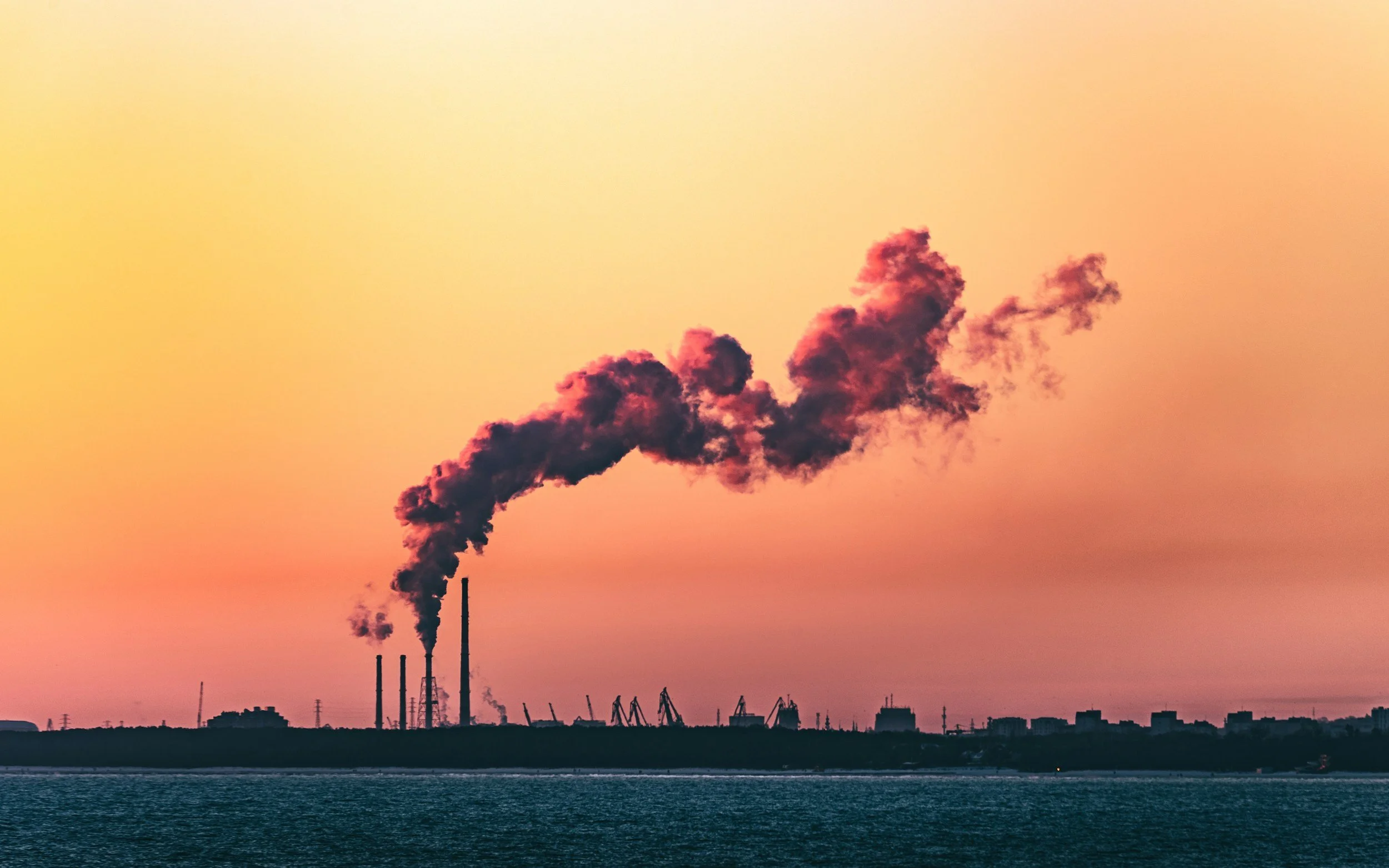
New York Attorney General Letitia James has filed a lawsuit against major chemical manufacturers, including 3M, DuPont, Chemours, Corteva, and EIDP. The lawsuit alleges they knowingly manufactured and sold products containing toxic PFAS, or "forever chemicals," despite decades of evidence linking them to serious health and environmental risks. PFAS have been used since the 1940s in products such as non-stick cookware, stain-resistant fabrics, food packaging, cosmetics, and water-repellent clothing. According to the lawsuit, the companies concealed evidence that these chemicals could accumulate in people and the environment to cause cancer, birth defects, and other health problems, while continuing to market them as safe.
The lawsuit will hold the companies financially responsible for widespread PFAS contamination across New York, requiring them to fund environmental cleanup efforts, provide clear warnings on products containing harmful PFAS, and pay damages and restitution. It argues that the companies' actions have contributed to long-term pollution of the air, water, and soil, and have shifted the costs of cleanup and public health impacts onto communities. The case adds to the growing efforts to hold manufacturers accountable for the lasting environmental consequences of PFAS contamination.
MUSSELS ARE DOING THE DIRTY WORK OF CLEANING UP NEWTOWN CREEK

A pilot project on Newtown Creek is showing us how nature can help restore one of New York City's most polluted waterways. The Newtown Creek Alliance recently installed "TINA", a 600-gallon fiberglass tank filled with about 500 mussels and native marsh grass that mimics a miniature salt marsh. At high tide, polluted creek water is pumped into the tank, where the mussels naturally filter out bacteria, heavy metals, and other pollutants before the cleaner water is released back into the creek at low tide. The project recreates the natural filtration system that once existed before Newtown Creek became a heavily industrialized Superfund site lined with oil refineries, factories, and chemical plants.
TINA is small but mighty, showing off the impressive ability of mussels to improve water quality and modeling for similar restoration efforts across the various polluted waterbodies of the city. The installation was funded by a $12,000 Con Edison resiliency grant, and is also providing a protected habitat where mussels can grow and reproduce. NYC's Department of Environmental Protection is testing its own mussel restoration projects in Jamaica Bay, where ribbed mussels have reduced waterborne pathogens by at least 10%. Another nature-based restoration initiative in the New York Harbor is the Billion Oyster Project, which is working to restore one billion oysters to the harbor by 2035. Like mussels, oysters are natural filter feeders that improve water quality while creating habitat for marine life and helping strengthen coastal resilience.
THE WORLD'S FIRST COMMERCIAL NUCLEAR-POWERED SATELLITE LAUNCHES INTO SPACE

City Labs, a Miami-based company specializing in designing, developing, and manufacturing micro power technology, has launched the world's first commercial nuclear-powered satellite. The BOHR (Betavoltaic Orbital High-Reliability) satellite was launched aboard a SpaceX Falcon 9 rideshare mission and uses a compact battery to provide a continuous source of electricity independent of sunlight. The technology is meant to provide long-lasting, maintenance-free power for medical, industrial and space applications. While the satellite itself still relies on solar panels for normal operations, the nuclear power system is being tested to support loads that require reliable, always-on power in environments where solar energy isn't practical, such as deep space, permanently shadowed regions of the Moon, or long-duration scientific missions. The mission is also the first commercial nuclear spacecraft to receive FAA approval under the U.S.'s regulatory framework for launching nuclear materials, showing that low-radiation nuclear power systems can be safely integrated into future commercial and government space missions.
OTHER SUSTAINABILITY NEWS
Electric Vehicles Are a Defense Technology.
New York installed 8 gigawatts of solar energy statewide, putting it ahead of schedule to reach 10 gigawatts by 2030.
Beyond Lithium: New Battery Tech Starts to Break Through.
INTERVIEW: An EPA Researcher Details the Agency’s Assault on Science
A new U.K. policy marks the most significant investment in English agriculture since World War II. The 25-year plan doubles government investment in agricultural innovations like soil health monitoring, nutrient cycling, climate resilience, and robotics.
The Trump administration reestablishes the office that produces the National Climate Assessment and places a climate change denier in charge.
North Carolina just voted to protect animals in the Great Smoky Mountains with a historic $10.2 million investment in wildlife crossings.
Hundreds of New York City residents used home batteries to power their ACs and relieve stress on the grid during the recent heat wave as part of a pilot run by storage startup Every Electric.
New Jersey, New York, and Pennsylvania are among a wave of states considering laws to require data centers to use renewable energy.
Okemo Mountain, a Vermont ski resort, replaced diesel compressors on snow-making machines with electric equipment.
A new solar power breakthrough in China could make desalinated seawater cheaper than bottled water. The technology decreases the energy consumption for solar thermal evaporation by nearly 50%.
Three women saved the country’s climate data after the Trump administration took it offline. After losing their jobs at NOAA, they rebuilt a critical climate change information website.
Why the Hottest Summer Days Also Have Dirtier Air.
Climate change makes marine animals shrink.