
Sustainability Weekly

Fridays are for…
State Climate Laws, Carbon Capture Systems, Global Unity, and more!
by Alli DiGiacomo
Happy Friday and last week of May! There is a lot going on in the sustainability world currently, and many of the news stories can feel contradicting. The silver lining is that global momentum around climate accountability and adaptation is still building, even as some governments, scientists, and communities debate what “real” progress should look like.
Keep reading for this week’s sustainability news…
T H I S W E E K ’ S T O P S T O R I E S
NEW YORK STATE WEAKENED ITS LANDMARK CLIMATE LAW
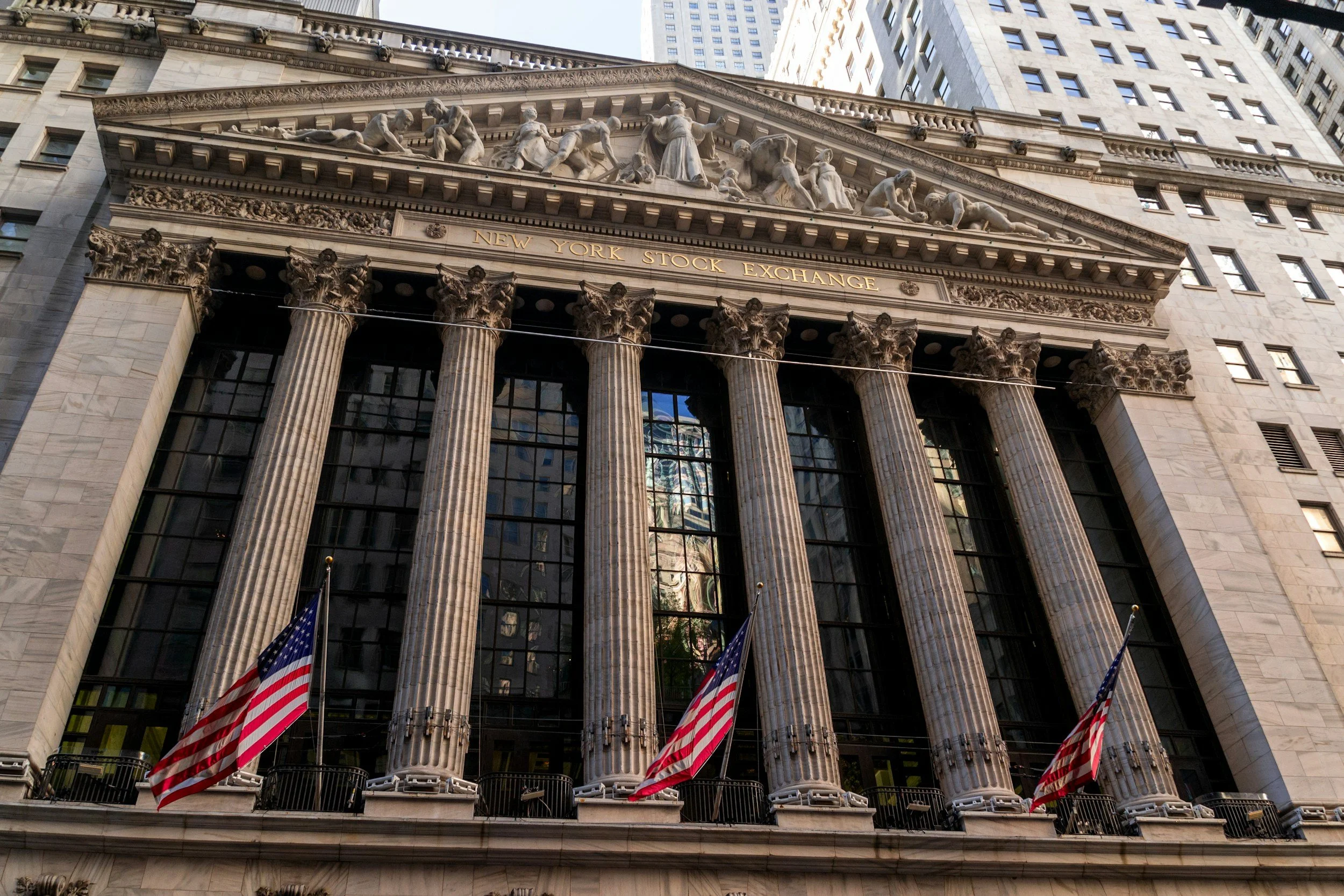
New York significantly weakened its landmark climate law this week, which used to be widely considered the country’s most ambitious state climate agendas. Under a newly approved state budget, the original goal of cutting greenhouse gas emissions 40% below 1990 levels by 2030 has effectively been abandoned. Instead, the state will now pursue a 60% reduction by 2040 “where feasible and cost effective,” language that weakens accountability and gives the state more flexibility to delay action. The legislation also changes how New York measures methane emissions and excludes emissions tied to imported fossil fuels, adjustments that could make the state appear further along in its climate progress than it actually is.
Governor Kathy Hochul argued the rollback was necessary amid rising energy affordability concerns and political uncertainty surrounding the Trump administration’s renewable energy policy. Hochel cited projections showing aggressive decarbonization efforts could significantly increase household energy costs and gasoline prices. There was major pushback on this, including many arguments that clean energy investments ultimately lower long-term costs, improve public health, and strengthen grid resilience. This is extremely frustrating to many, especially environmental advocates and climate groups. Especially after years of delays to the state’s proposed cap-and-invest program, which would have charged major polluters and funded clean energy projects. There is currently national tension emerging in climate policy debates: balancing aggressive emissions goals with growing concerns over energy prices, infrastructure costs, and economic feasibility.
Fortunately, New York City still has more ambitious climate laws and goals that are still (somewhat) standing.
CALIFORNIA’S FIRST CARBON CAPTURE STORAGE PROJECT COMES ONLINE

California officially launched its first operational carbon capture and storage (CCS) project, Carbon Terravault I, this week. It is located in Kern County and is operated by California Resources Corporation (CRC). It captures carbon dioxide emissions from a nearby gas processing facility and injects the CO2 over a mile underground into depleted oil and gas reservoirs for permanent storage. Until now, the state could only theoretically return carbon to the Earth’s crust. At full capacity, one of the site’s reservoirs is expected to store up to 1.46 million metric tons of carbon dioxide annually, which is roughly equivalent to taking nearly 350,000 cars off the road each year.
This not only helps with California’s carbon neutrality goals, but also reflects the overall growing momentum behind carbon capture technology as industries search for ways to reduce emissions while maintaining existing energy infrastructure. Supporters see CCS as a practical tool for hard-to-decarbonize sectors and a way to help states like California meet aggressive climate goals. CRC says the project could eventually become part of a much larger statewide carbon storage network, with plans for additional reservoirs capable of storing hundreds of millions of metric tons of CO2. Still, carbon capture remains controversial among some environmental advocates, who argue it can prolong dependence on fossil fuels instead of accelerating the transition to renewable energy. Regardless, California’s first carbon injection is a big step in testing whether large-scale underground carbon storage can become a viable part of the “climate solution toolkit”.
THE UNITED NATIONS ADOPTS A LANDMARK CLIMATE RULING
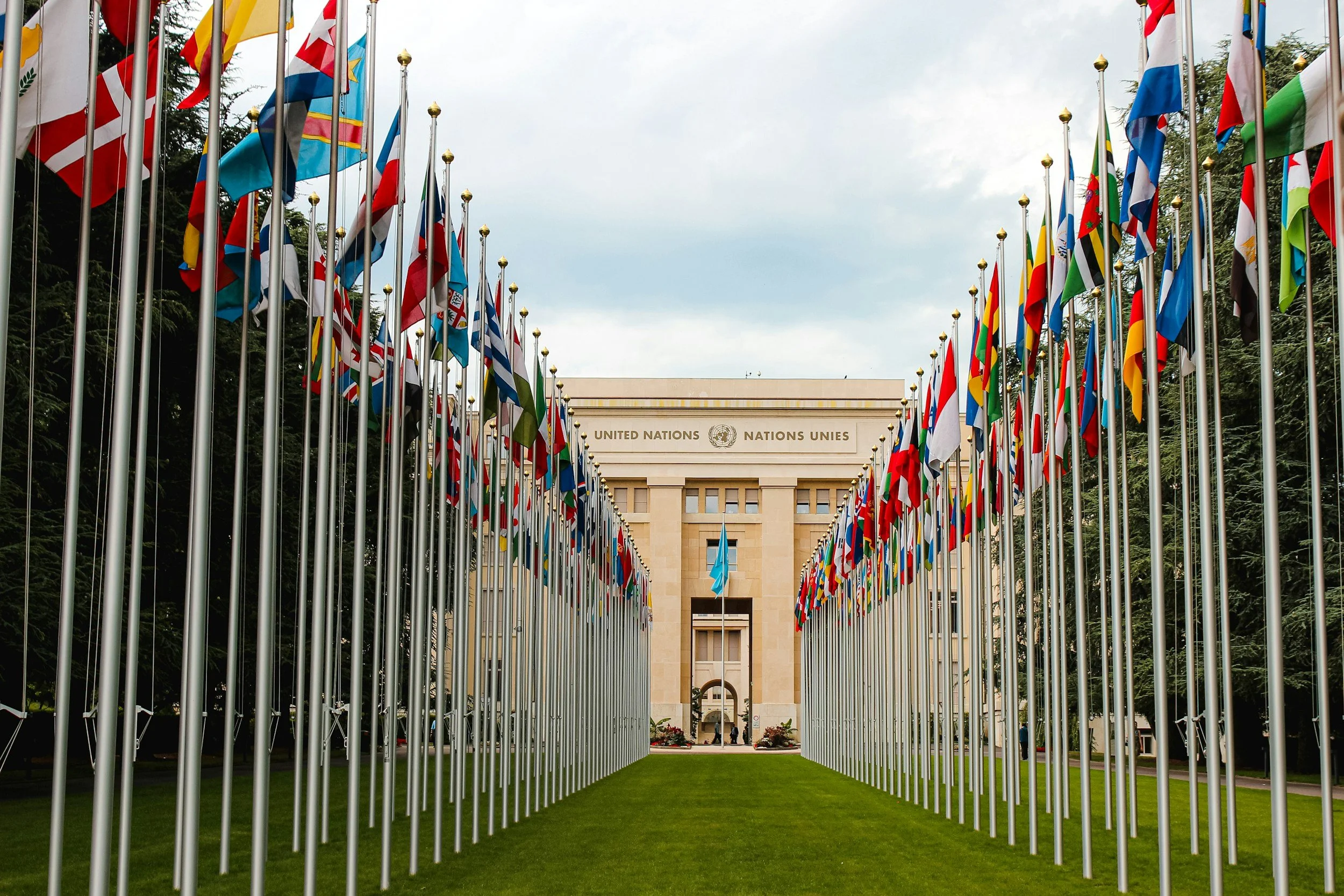
In a rare moment of global agreement on climate action, more than 140 countries voted this week to support a landmark United Nations resolution declaring that governments can be held responsible for failing to address climate change. The vote backs a historic 2025 advisory opinion from the International Court of Justice (ICJ), which stated that climate inaction could be considered a “wrongful act” under international law and that countries suffering from climate-related damages may have the right to seek reparations. All of this support was originally sparked by six law students in the Pacific island nation of Vanuatu, who spent years campaigning to frame climate change as not just an environmental issue, but also a human rights issue that threatens future generations and vulnerable communities.
Only eight countries, including the United States, Russia, Saudi Arabia, and Iran, voted against it, while 28 abstained. The resolution itself is not legally binding, but it sends a strong political message that much of the world supports climate accountability and stronger legal obligations around emissions reductions. It also reinforces the global push to limit warming to 1.5 degrees Celsius and calls on countries to transition away from fossil fuels while supporting nations already experiencing climate-related harm.
The United States strongly opposed the resolution, arguing it could expose industries to legal and financial risks. But for many climate advocates, especially Indigenous leaders and small island nations already facing rising seas and extreme weather, this vote is changing how the world talks about climate change. Instead of treating it solely as an environmental challenge, countries are starting to recognize it as an issue tied to justice, human rights, and legal responsibility. This decision could strengthen the arguments of future climate lawsuits around the world and put more pressure on governments and corporations to take meaningful climate action instead of delaying commitments (such as New York).
SUSTAINABILITY NEWS
Nike’s recycled World Cup uniforms reveal the limits of ‘circular’ fashion.
Global nuclear investment now tops $80 billion per year as there are currently 80 gigawatts of new nuclear capacity under construction across 15 countries.
Utah’s fragile desert could feel like the Sahara if America’s biggest data center gets built.
The U.S. holds talks with India about exporting nuclear reactors.
Gas prices are rising. So is public transit ridership.
The U.S. battery storage industry installed 9.7 GWh of new capacity in the first quarter of the year, up 32% from the same period in 2025 — an expansion that shows how grid batteries are becoming essential to meeting rising power demand.
Meet the country’s first search-and-rescue otter!
Milan Design Week: 7 New Sustainable Products and Perspectives.
A group of young Americans who sued the Trump administration over its repeal of the endangerment finding files for an immediate stay on the rollback’s implementation.
U.S. regulators ease environmental reviews of large housing developments (200+ units), set to take effect on June 22nd.
The Trump administration is considering handing over leftover weapons-grade plutonium that was set to be buried to companies that aim to use the highly radioactive material as reactor fuel.
Indiana utility NIPSCO estimates it has lost $11.5 million so far to keep two coal units online under federal orders.
Pennsylvania and New Jersey both unveiled new rules for data centers in their states.
Denver has a plan to heat and cool buildings without fossil fuels. It involves … sewage?