
Sustainability Weekly

Fridays are for…
Endangered Species Day, Plastic Recycling, Ferries, and more!
by Alli DiGiacomo
Happy Friday! Today, May 15th, is Endangered Species Day. It recognizes the species saved by the Endangered Species Act, the threats against them, and how we can help save them. Some of the best things you can do besides educating yourself are planting native species, reducing your chemical usage/support (such as pesticides), and volunteering with local conservation groups. Here is a list of current endangered species and their level of threat. There are 55 endangered species in New York State, including the Bald Eagle. According to the World Wildlife Fund, the most endangered species in the world right now is the Vaquitas, a small marine mammal with only an estimated 10 left in the wild.
Keep reading for this week’s sustainability news…
T H I S W E E K ’ S T O P S T O R I E S
NYC’S BIGGEST ELECTRICITY PROJECT COMES ONLINE EARLY
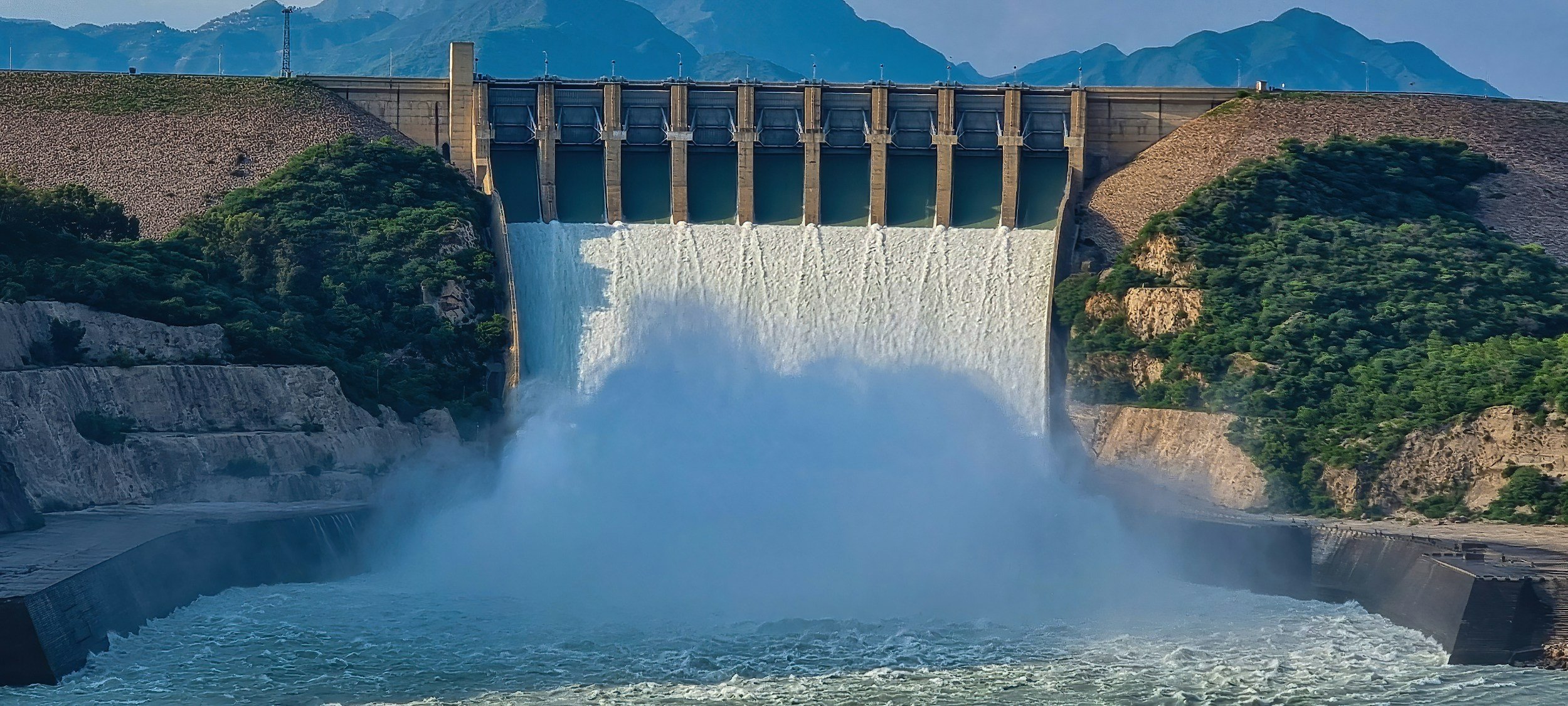
Just in time for the highly anticipated heat waves of this summer, the 1,250-megawatt Champlain Hudson Power Express (CHPE) transmission line officially entered commercial operation on May 13, ahead of schedule. Until last weekend, the project was expected to come online in August, but in a last minute push, the May 10th at 5pm testing deadline was met. The high-voltage direct current will deliver enough electricity to meet 20% of NYC’s power demand using hydropower supplied by Hydro-Québec. But during testing 2 weeks ago, it provided 33% of the city’s power. The electricity comes from massive hydroelectric dam systems and reservoirs in northern Quebec, where the flowing river water spins turbines to generate power. The transmission route itself travels from Quebec south through Lake Champlain and down the Hudson River corridor into NYC, which is where the project gets its name.
CPHE is a big deal not only for NY’s clean energy goals, but also for the electricity demand this summer on peak cooling days. NY is working to retire fossil fuel “peaker plants” in and around the city that are used during periods of high electricity demand and majorly contribute to local air pollution. The project has been under construction since 2022, after almost a decade of delays. The environmental impacts along the Hudson are supposed to be minimal since the lines are buried underwater/underground for most of its route, especially when compared to the traditional overhead transmission lines.
NEW YORK PLASTICS LAW ADVANCES
The Packaging Reduction and Recycling Infrastructure Act moving through the New York Legislature could significantly reduce packaging waste in the state, but it has caused a heated fight over something called “chemical recycling.” The proposed bill would cut non-recyclable plastic packaging by 30% over the next 12 years and require packaging companies to help pay for recycling and waste disposal programs. Environmental groups and many lawmakers support the bill as an important part of NY’s climate and waste strategy, but plastics producers and industry groups like the American Chemistry Council argue the legislation unfairly excludes chemical recycling from being considered real recycling.
Plastic recycling is mostly done in the U.S. through a chemically-intensive process called pyrolysis, which uses extremely high heat and chemicals to break down plastics into oils and chemical ingredients that can sometimes be reused. The process is energy-intensive, creates hazardous waste, and the result is more often than not more fuel than reusable plastic. Studies and lawsuits suggest only a small percentage of plastic processed this way actually becomes new raw material plastic again, and these facilities can release toxic chemicals like benzene into the environment. The controversy is over the fact that the plastics industry is trying to use chemical recycling to justify continued plastic production rather than reducing waste at the source. Here is a list of the current plastic recycling plants in the U.S.
Another important part of the bill is that it would ban certain toxic chemicals in packaging, including some PFAS “forever chemicals,” although unsurprisingly recent revisions softened parts of the proposal and extended compliance timelines. The legislation already passed the state Senate once before but stalled in the Assembly, and even if it passes this year, Kathy Hochul could still veto it.
ECOPEACE DEPLOYS A NEW FERRY THAT CLEANS UP POLLUTION WHILE PEOPLE RIDE
Ecopeace, a startup in South Korea, is trying to rethink what a public ferry can do by turning it into a floating water-cleaning system. The company has developed solar-powered boats that not only transport passengers but also actively remove oil spills, floating trash, and harmful algae from waterways while they operate. Their autonomous “Eco-Bot” uses AI to monitor and clean polluted water in real time, while also collecting environmental data about water quality in rivers, lakes, and reservoirs. This is the same company that created fixed solar-powered cleanup systems called Eco-Stations for larger-scale purification projects.
Its newest concept, called the “Healing Boat,” combines environmental cleanup with tourism and public education and is perfect for coastal or water-centric cities. The ferry can purify up to 100 tons of water per day while carrying eight passengers at a time. Currently, its running guided tours focused on freshwater systems and local ecology during the day, while nighttime rides include things like food truck tours and waterfront fireworks. The boats have 3D digital content that lets passengers explore underwater ecosystems and learn about conservation efforts while they ride.
What makes the project interesting is that Ecopeace is trying to make environmental infrastructure visible and interactive instead of something hidden behind the scenes. Water treatment systems are usually viewed as expensive maintenance work that people never see but their tax dollars pay for. Combining cleanup technology with recreation, tourism, and education helps the public become more connected to the health of local waterways. The Healing Boat received a 2025 CES Innovation Award in the Smart City category, and Ecopeace says the technology could eventually be used in waterfront cities around the world, especially in places dealing with pollution, algae blooms, or oil contamination.
SUSTAINABILITY NEWS
Can the US harness old oil and gas wells to produce geothermal energy?
New Jersey has reduced levels of “forever chemicals” in their drinking water by 55% since 2018 after creating its own drinking water regulations, according to data from Rutgers University.
An EV maker installed 4,000 “battery swap stations” around the world as a new alternative to charging stations, a way to avoid long charging breaks and make EVs more accessible to drivers without charging ports.
Michigan just permanently protected 73,000 acres of land in the Upper Peninsula and opened it to the public.
Your weekly reminder that “low-cost” fossil fuels are still crazy expensive compared to wind and solar.
An underwater robot discovers and maps hidden coral reef "hotspots".
The Port Authority of New York and New Jersey announced plans to add 5 MW of solar panels at Newark Liberty International Airport.
Research students created a biodegradable mycelium mushroom medical gauze that could dramatically reduce hospital waste.
The campaign to restore the Florida Everglades reached a major milestone with the completion of a key project that returns the flow of water to 55,000 acres that had once been drained for development.
A group of U.S. solar manufacturers asks the U.S. Commerce Department to investigate solar component shipments from Ethiopia, alleging that companies are assembling Chinese-made products there to avoid tariffs.
Over 6 trillion cigarette butts are tossed each year. Scientists are recycling them into sustainable bricks.
A bill to establish rules for balcony solar systems passes both New Hampshire legislative houses, making the state the seventh to send the measure to its governor’s desk.
Cleveland, Ohio, blocks a $1.6 billion data center after local opposition. This is the ~25th data center blocked this year for this reason.