
Sustainability Weekly

Fridays are for…
Earth Hour 2026, New Bacteria Discoveries, Protected Marine Parks, and more!
by Alli DiGiacomo
Happy Friday! Coming up tomorrow, March 28th, from 8:30-9:30pm is Earth Hour 2026. Earth Hour is organized by WWF, and it is “a global environmental movement that encourages individuals, businesses, and communities to switch off lights and spend "an hour for Earth" taking positive action for the planet.” It started in 2007 and it raises awareness about the climate crisis and nature/biodiversity loss. Many of the big skyscrapers in NYC normally celebrate, so keep an eye out!
Keep reading for more sustainability news…
T H I S W E E K ’ S T O P S T O R I E S
US GOVERNMENT IS PAYING $1 BILLION TO CANCEL OFFSHORE WIND
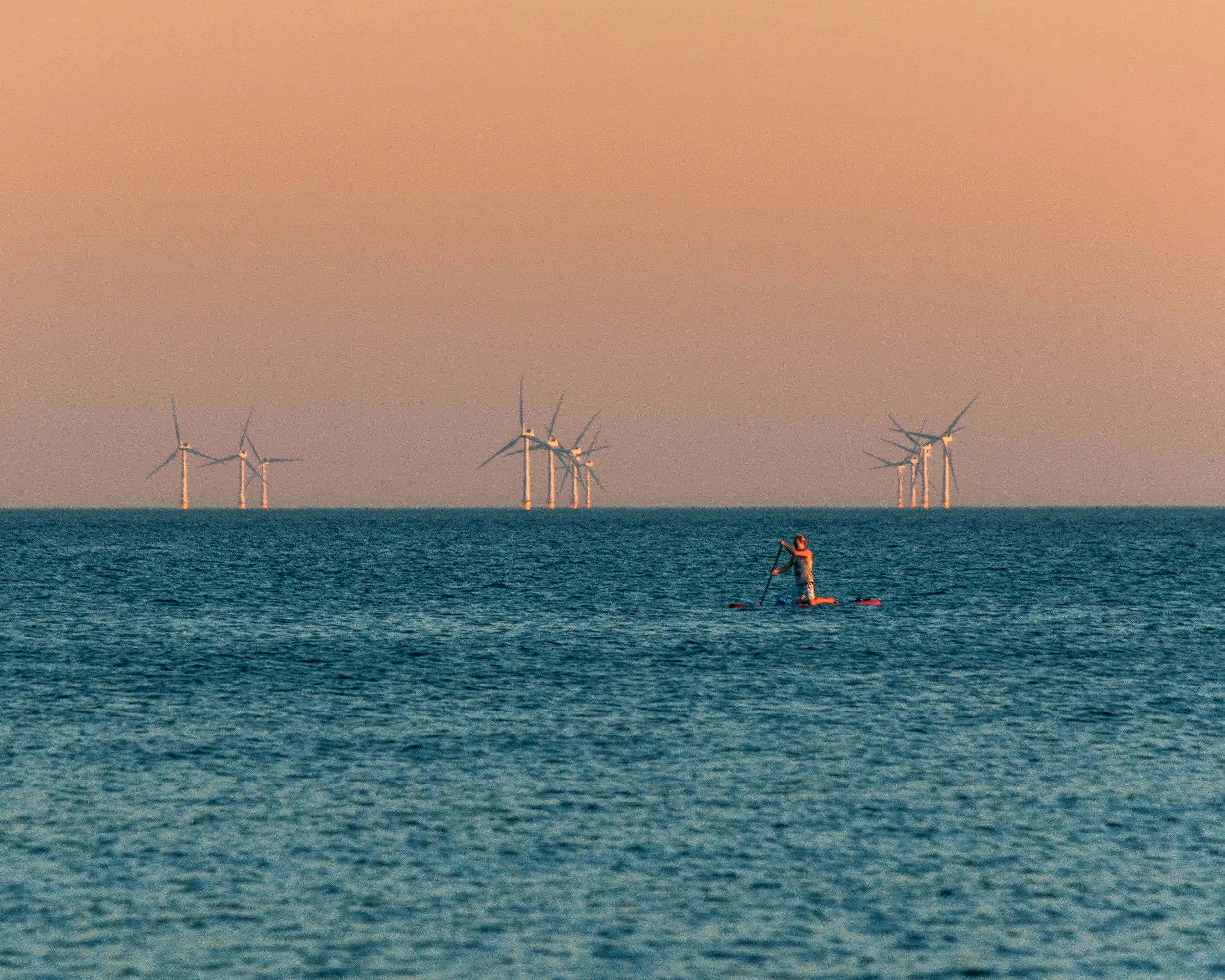
Trump’s administration agreed to pay $1 billion to TotalEnergies to walk away from offshore wind projects in the U.S. TotalEnergies had originally paid for leases off the coasts of New York and North Carolina, but now the government plans to reimburse that money if TotalEnergies agrees not to develop wind energy there and instead invest in fossil fuel infrastructure. The deal could set a precedent for similar payouts to other companies, which is why it’s getting so much attention. Legal experts aren’t sure the government even has the authority to do this. The money TotalEnergies paid The administration might try to use a federal fund meant for settling lawsuits, even though there’s no active legal case here, which raises even more red flags. On top of that, there’s uncertainty about whether anyone can challenge the deal in court. States like New York and North Carolina, along with local communities and environmental groups, might try to fight it since they were expecting clean energy, jobs, and economic benefits from those wind projects. The situation is messy, it mixes legal gray areas, major policy shifts away from renewable energy, and potential taxpayer involvement, making it a pretty big and controversial moment for U.S. energy policy.
SCIENTISTS DISCOVERED DEEP CAVE BACTERIA RESISTANT TO MODERN MEDICINE

There is some wild science happening deep underground in Lechuguilla Cave in New Mexico, where bacteria have been living in total isolation for millions of years. Down there with no light or food microbes survive by competing with, and literally attacking, each other. Some are predators, “grabbing and killing” other bacteria, while others cooperate to squeeze energy out of rocks or the environment. Because of this intense survival battle, these microbes have evolved to be resistant to almost all natural antibiotics even though they’ve never been exposed to human medicine.
Scientists found that antibiotic resistance isn’t just caused by human overuse, it actually existed long before humans. Researchers discovered that cave bacteria could resist nearly every natural antibiotic tested, including the powerful ones used today. This suggests that bacteria have been producing antibiotics and developing defenses against them for billions of years as part of their natural “microbial warfare.” This could actually help solve one of the major global problems of antibiotic resistance (also called “superbugs”), which already causes over a million deaths a year. By studying these ancient microbes, scientists are hoping to discover new antibiotics or strategies that modern bacteria haven’t adapted to yet. So far there are already some promising discoveries, like cave bacteria that can kill drug-resistant infections such as E. coli and MRSA. These harsh, hidden ecosystems might “hold the key to developing the next generation of life-saving medicines”.
CHILE FULLY PROTECTS 360,000 SQUARE METERS OF OCEAN AND MARINE PARKS
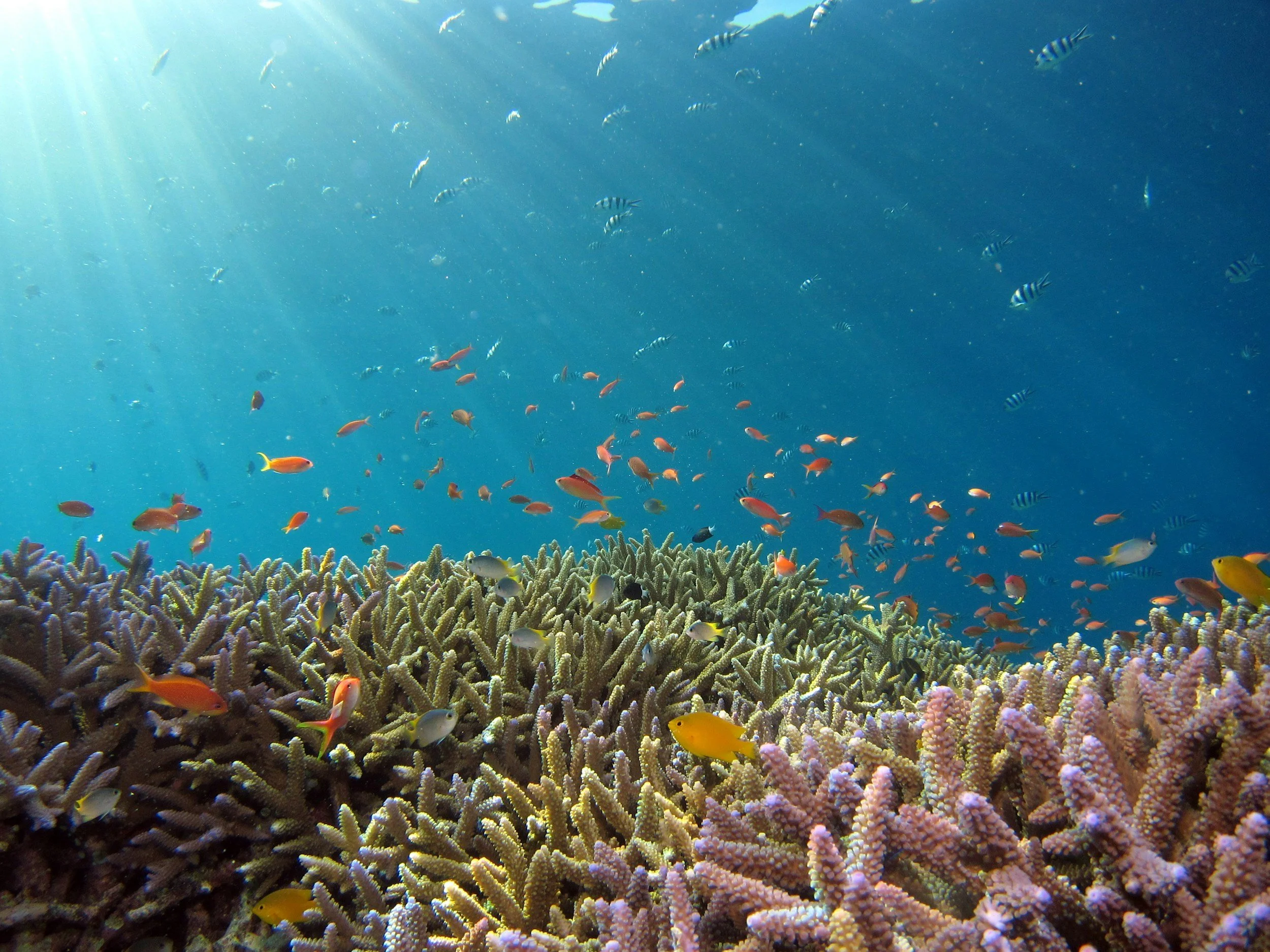
Chile just made a huge move for ocean conservation by fully protecting about 360,000 square kilometers of ocean around the Juan Fernández Archipelago and nearby marine parks. With this new designation, the total protected area in that region totals nearly 946,571 square kilometers, making it the third-largest fully protected marine area in the world. It also means Chile now protects over 50% of its exclusive economic zone, putting it ahead of many countries and in line with global conservation leaders. What’s especially cool is that this effort was pushed by local residents, who have a long history of sustainably managing their lobster fishery and wanted to expand protections to preserve the unique ecosystem around them.
The area is incredibly rich in marine life, including species found nowhere else, like the Juan Fernández fur seal, along with whales, dolphins, turtles, seabirds, and tons of fish. The islands sit along an underwater mountain chain that supports a really diverse ecosystem, so protecting it helps safeguard habitats on a massive scale. This builds on existing protections in the region and strengthens them even more. Overall, it’s a big win not just for biodiversity but also for local communities who depend on the ocean, and it shows how countries can step up to meet global goals of protecting 30% of the ocean by 2030.
MORE IN SUSTAINABILITY NEWS
100 public housing units in New York City have started receiving induction stoves, the first stage in a plan to provide the efficient electric appliances to 10,000 apartments in the city.
The owner of two of New York’s dirtiest power plants wants to repower the facilities with gas turbines the company says will reduce emissions and improve reliability.
A new website calculates how many marine animals are saved every time you pick up trash.
Lego to build massive 80-acre solar park for its $1.5b carbon-neutral US factory.
Microplastics are compromising the Mediterranean's critical corals.
New York confirms that Gov. Kathy Hochul ordered partner organizations to remove references to the state’s climate law from their materials in January, months before she formally proposed changing key provisions of the law.
FEMA to Relaunch Climate Resiliency Grants, Complying With Court Order.
What the Energy Industry Is (and Isn’t) Saying About the War in Iran.
Balcony solar bills make inroads across New England.
States are lifting bans on nuclear power.
A look behind the scenes of what could be Google’s biggest test of carbon capture.
To keep climate science alive, researchers are speaking in code.
Prolonged conflict in Iran is likely to boost EV adoption, especially in Asian countries that rely on Middle Eastern fossil fuel exports.