
Sustainability Weekly

Fridays are for…
The Spring Equinox, World Water Day, Offshore Wind Farms more!
by Alli DiGiacomo
Happy Friday and first day of Spring! The first day of spring, aka the vernal equinox, finally brings some sunshine, longer days, and a reason to ditch the heavy jackets. It’s one of the only times all year when day and night are almost exactly the same length everywhere on Earth.
Also this weekend, on March 22nd, is World Water Day. Since 1993 it has focused on celebrating fresh water and raising awareness of the 2.1 billion people without access to safe water. This year’s theme is Water and Gender, and you can see a fact sheet here. If you are ever curious where your drinking water comes from in NYC, you can check out this map.
Keep reading for more sustainability news…
T H I S W E E K ’ S T O P S T O R I E S
24 STATES SUE THE E.P.A. FOR RELINQUISHING THE GOVERNMENTS AUTHORITY TO FIGHT CLIMATE CHANGE
24 states, along with several cities and counties, have sued the Environmental Protection Agency (EPA) after the Trump administration moved to repeal the 2009 “endangerment finding,” the scientific decision that allows the federal government to regulate greenhouse gas emissions. The lawsuit, filed in the U.S. Court of Appeals for the District of Columbia, argues that the EPA acted illegally by removing the finding without new scientific evidence or legal justification. The endangerment finding concluded that carbon dioxide and other greenhouse gases threaten public health and welfare, and it has been the legal foundation for rules limiting pollution from cars, power plants, and oil and gas operations. State officials say removing it could strip the federal government of its authority to fight climate change, even in the future, because the finding is what allows greenhouse gases to be regulated under the Clean Air Act.
The lawsuit also challenges the EPA’s decision to roll back limits on vehicle emissions, which are the largest source of climate pollution in the U.S. Communities are already dealing with stronger heat waves, droughts, wildfires, and other climate disasters, and weakening federal rules will make those problems worse. The Trump administration has said the Clean Air Act was not meant to regulate greenhouse gases because their effects are global rather than direct local pollution, but the states point to a 2007 Supreme Court case, Massachusetts v. EPA, which ruled that greenhouse gases can be regulated if they are shown to harm public health. Legal experts say the case could eventually reach the Supreme Court again, where the current majority could decide whether the government still has the authority to regulate climate pollution at all, a decision that would affect U.S. climate policy for at least decades, which we do not have if we want to slow the climate crisis.
REVOLUTION WIND OFFICIALLY BEGINS DELIVERING POWER TO NEW ENGLAND
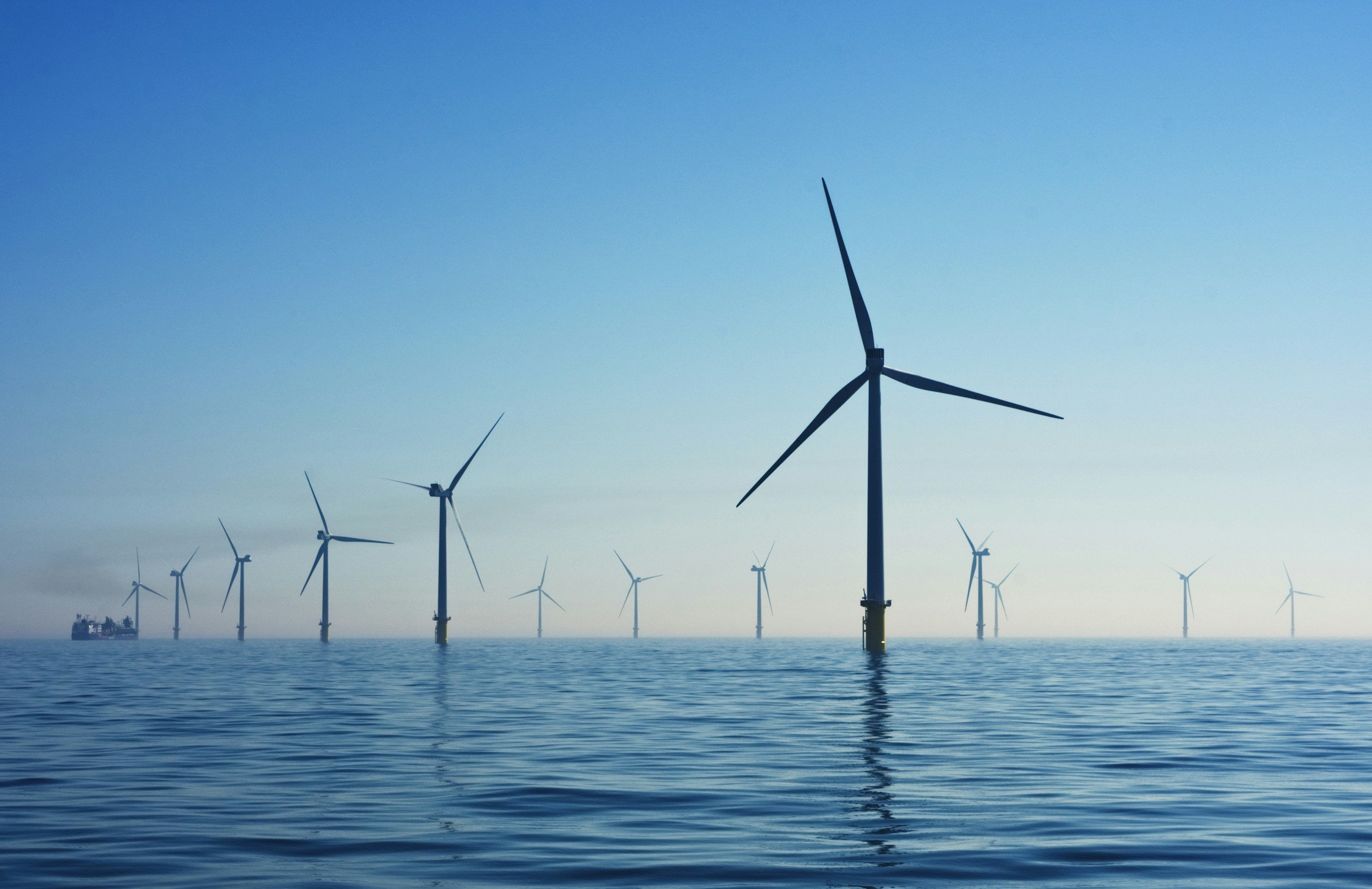
Revolution Wind, Rhode Island's first utility-scale offshore wind farm, has officially begun delivering power and is expected to supply electricity to more than 350,000 homes in Rhode Island and Connecticut. Construction on the wind farm continued after a federal judge overturned an order by the Trump administration to halt the project. The 704-megawatt wind farm is a joint venture between Ørsted and Skyborn Renewables, and is said to be the third commercial-scale offshore wind project in the US to reach this stage. Built about 15 miles off the coast near Little Compton, most of the turbines have already been installed at about 93% complete, with full operation expected before the end of 2026. State officials say the wind farm is an important part of the region’s clean energy plan because it will help meet climate goals, add more reliable power to the grid, and lower electricity costs, especially during winter when natural gas supplies are limited in New England.
Construction continued after a stop-work order from the Trump administration was over-turned, which had argued the project could affect radar systems and national security. The federal judge ruled that the shutdown order appeared unreasonable and not properly justified, allowing work to resume. Offshore wind will reduce pollution, strengthen the energy supply, and it is estimated that the project could cut regional energy costs by hundreds of millions of dollars each year.
MTA SUES THE FEDERAL GOVERNMENT OVER ORDER TO HALT SUBWAY EXPANSION PROJECT
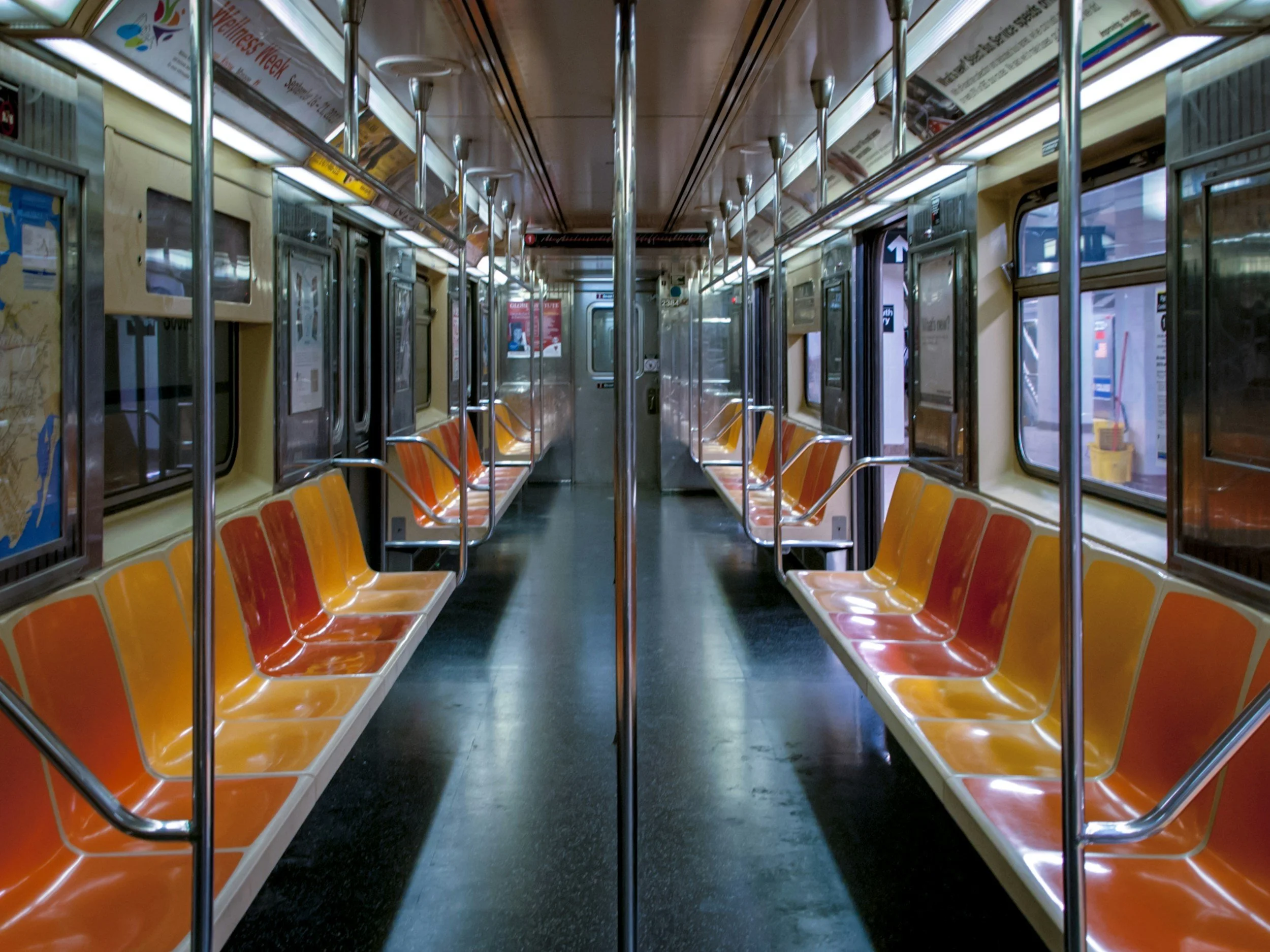
The MTA has sued the Trump administration after the federal government stopped distributing $3.4 billion in funding for the next phase of the Second Avenue subway, a major project that would extend the Q line into East Harlem. The lawsuit, filed in federal court, argues that the U.S. Department of Transportation is breaking its contract by withholding money that had already been approved. The White House said the funding was paused while officials reviewed the MTA’s use of contracts for minority- and women-owned businesses, but the MTA says they complied with the review and the money was still not released. Because of the freeze, the MTA says it has already had to move millions of dollars away from other transportation projects just to keep work going.
The expansion project was supposed to add three new stations and extend the Q line to 125th St, where it would connect with the 4, 5, and 6 lines. The project is expected to cost about $7.7 billion and is one of the most expensive subway expansions ever built per mile, but officials say it is critical for improving transit access in East Harlem, which has been promised a Second Avenue subway since the 1940s. Construction has already begun on early work like moving utilities and buying property, but it cannot move forward with major tunneling contracts without the federal funding. NY state claims the administration froze money for this project and the Gateway tunnel project for political reasons during the 2025 government shutdown. The MTA is asking the court to restore the funding quickly, warning that delays could cause rising costs, more construction setbacks, and risk stopping the project entirely.
MORE IN SUSTAINABILITY NEWS
The Trump administration approved a $5 billion oil drilling project in ultradeep waters of the Gulf of Mexico despite “protests from Democrats and environmental activists who said the venture posed significant risks to wildlife and communities.”
Exactly how fossil fuel ads manipulate us.
Global news coverage of climate change falls for the fourth straight year. However, a record number of Oscar-nominated films acknowledged climate change this year, mostly thanks to women.
A landfill in the U.K. is using methane from decomposing waste to power a giant greenhouse dome that grows fruits and vegetables year-round.
The Trump administration proposes a settlement that would pay an offshore wind developer nearly $1 billion to give up its leases off New York and North Carolina, and instead invest in natural gas infrastructure in Texas.
Safer nuclear plants could be built with new radiation-resistant cement mortar.
Earth's Days Are Getting Longer At Unprecedented Rate Not Seen In 3.6 Million Years – Here's Why.
Polls show that Germany regrets phasing out nuclear power with over 50% of the country now wishing the government hadn’t shut down the last nuclear power plants in 2023. Chancellor Friedrich Merz called the phaseout “a huge mistake” with “strategic consequences.”
NY clean energy projects that could power 2 million homes on hold because of tariffs.
Chile has granted full protection to 360,000km² of ocean, creating one of the world’s largest fully protected marine areas and surpassing 50% protection of their exclusive economic ocean zone.
The U.S. is planning its first new coal power plant in Alaska in 13 years.
Researchers in Finland have developed a new wood-based resin that beats fossil resin strength by 76%. Unlike traditional plastics, the materials — derived from forestry waste like sawdust and straw — can be easily broken down into a closed-loop recycling system.
Bay Area high school students developed an AI wildfire suppression system for global competition.