
Sustainability Weekly

Fridays are for…
Jane Goodall Day, Lunar Sustainability, Drinking Water Regulations, and more!
by Alli DiGiacomo
Happy Friday and April! April is Earth Month, meant to not only bring awareness about our environment and climate change, but also to celebrate nature and prioritize our planet. It is celebrated in over 141 countries around the world since its beginnings in 1970. There are lots of exciting ways to celebrate and events happening this month, so stay tuned for a complete list, as well as CTA’s Earth Week 2026 schedule of events!
April 3rd is officially the first Jane Goodall day, on what would have been her 92nd birthday. Dr. Jane Goodall was the founder of the Jane Goodall Institute and UN Messenger of Peace. Jane became a household name for her landmark wild chimpanzee research, and she spent her final decades inspiring millions of people as a conservation advocate who traveled approximately 300 days a year to share her message of hope for our planet. On Jane Goodall Day, you can honor Jane by making a positive difference. This can include advocating for wildlife, eating a plant-based meal, reducing waste, helping a neighbor, planting a tree, or sharing the campaign on social media.
“Jane has spent her life proving that every individual makes a difference, and that small acts—especially when multiplied—can change the world.” - Jane Goodall Institute
T H I S W E E K ’ S T O P S T O R I E S
WHAT SPACE EXPLORATION AND LUNAR SUSTAINABILITY CAN TEACH US ABOUT THE CLIMATE ON EARTH
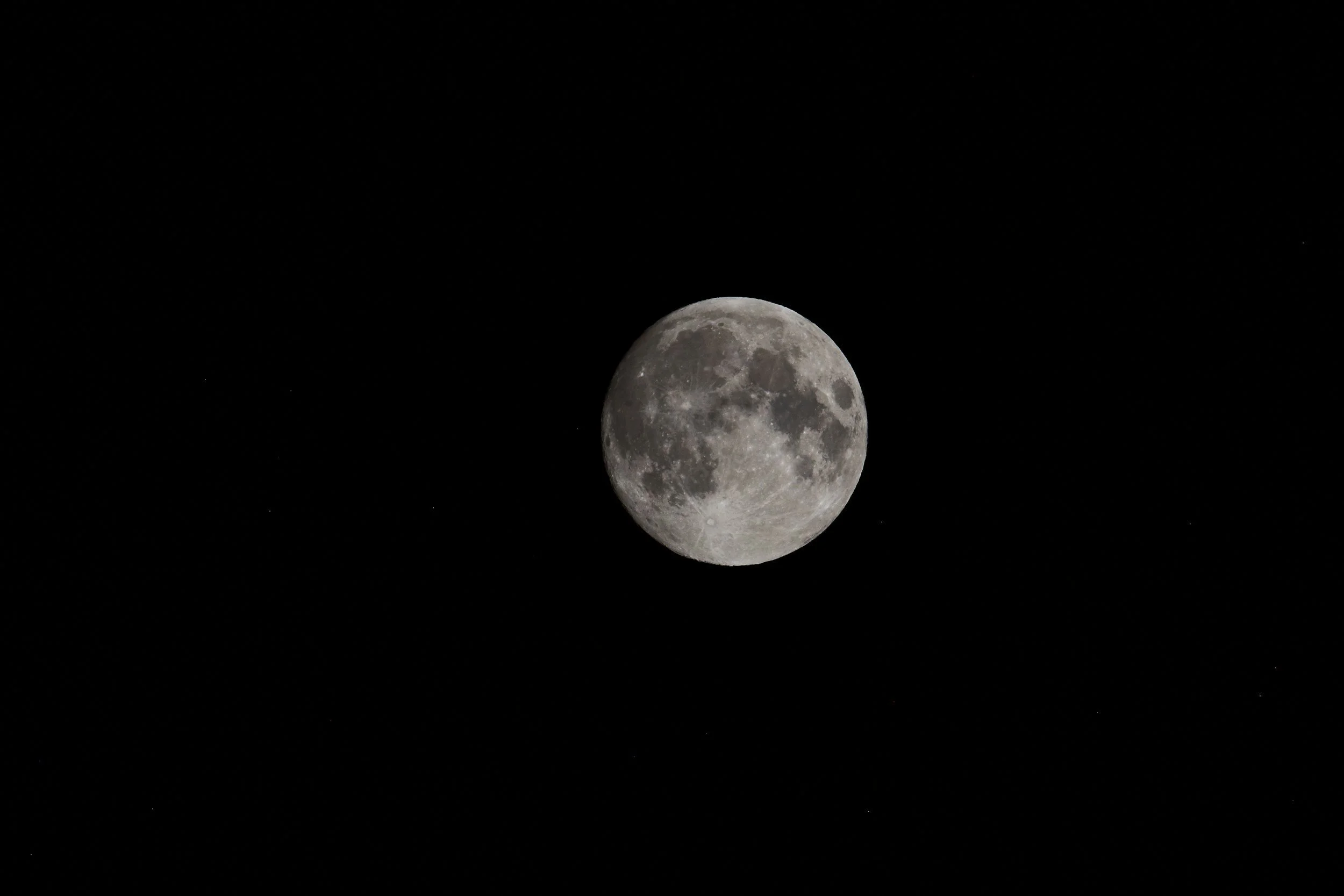
NASA’s Artemis II mission's successful launch this week has brought to light the complicated relationship between space exploration and sustainability beyond Earth. The program is designed not just to return humans to the Moon, but to do so in a way that can be sustained over the long term. Success and survival in space depend on concepts such as minimizing waste, conserving limited resources, and designing systems that can operate efficiently in extreme environments. This includes recycling air and water, radiation protection, water purification, reducing and conserving energy use, and developing closed-loop life support systems that mimic Earth’s natural cycles. On the moon, scientists are planning to use local resources and a concept called in-situ resource utilization (ISRU). ISRU is the practice of using materials found on the Moon, such as ice, soil (regolith), and minerals, to produce essentials such as water, oxygen, and fuel. It reduces the need to transport supplies from Earth, which is costly and energy-intensive. Solar energy is expected to be the primary power source for lunar bases, especially in regions near the Moon’s poles that receive near-continuous sunlight.
It is no secret that rocket launches release carbon dioxide, black carbon, and other pollutants into the atmosphere, and the growing number of satellites contributes to space debris, which can have indirect sustainability implications. But it can be argued that the long term benefits that have come from space exploration outweigh the environmental costs. Some of the biggest contributions have been the observations and data collection of Earth’s climate from the satellites operated by NASA and other agencies. We have been able to continuously monitor and better understand the planet’s climate systems including global temperatures, sea level rise, greenhouse gas concentrations, deforestation, and extreme weather. Systems originally designed for space have led to several spinoff technologies that we use in our daily lives, such as water purification, air filtration, and energy-efficient materials.
On top of increasing our understanding of Earth’s systems and contributing to climate science, space exploration in general and NASA’s Artemis program specifically has improved international collaboration between scientists, engineers, and governments. This is critical at a time when the world is divided on science, and also brings attention to organizations and partnerships that support both lunar exploration that extends to climate monitoring and environmental research.
EPA TARGETS MICROPLASTICS IN DRINKING WATER
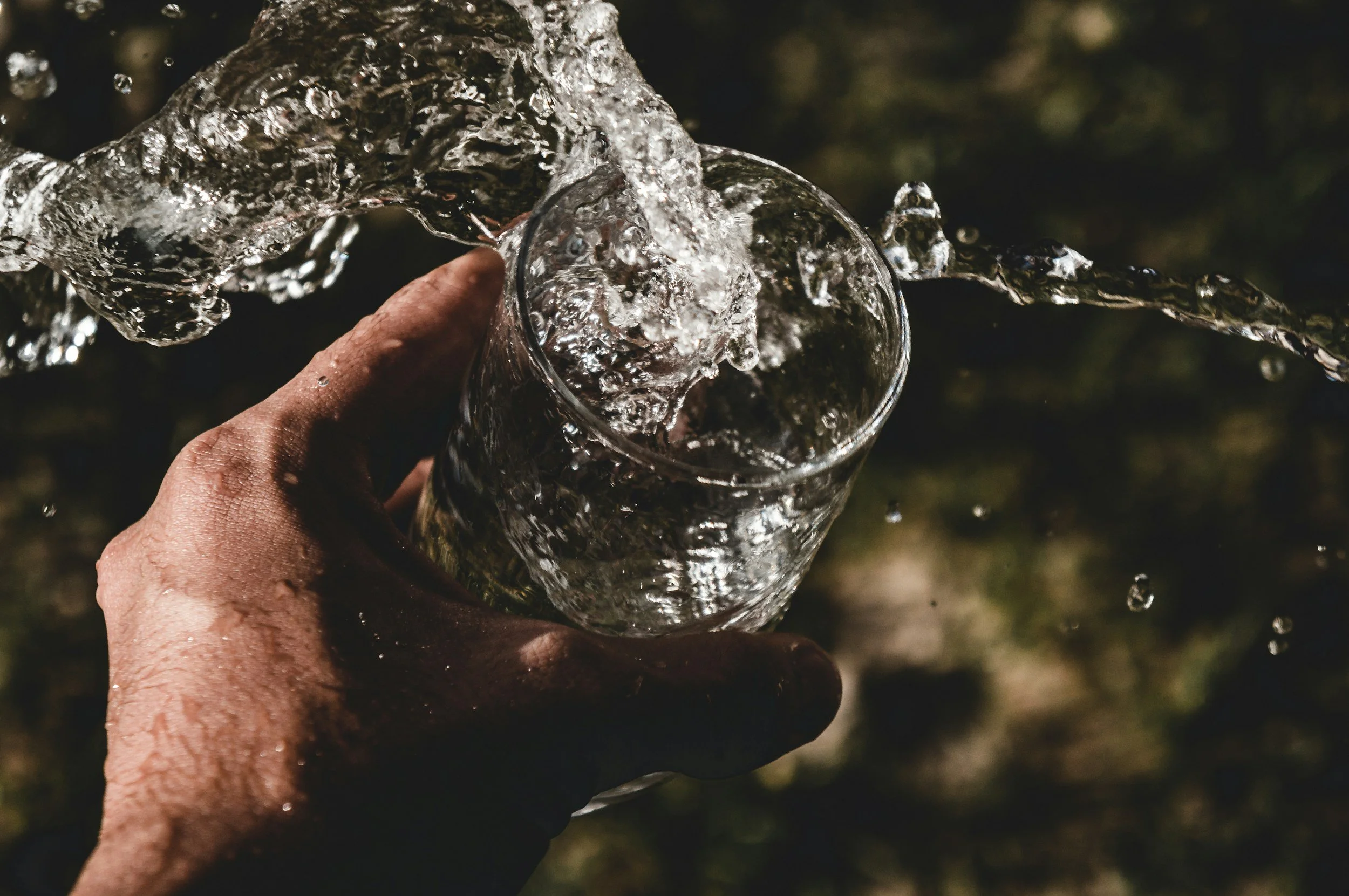
The Environmental Protection Agency (EPA) announced plans to target microplastics and pharmaceuticals in U.S. drinking water by adding them to its list of priority pollutants. This could lead to new research and eventually stricter water safety standards. EPA Administrator Lee Zeldin said the effort is meant to address growing public concern about what’s in drinking water and could help scientists better understand how widespread these contaminants are, how they affect human health, and how to remove them. The plan includes $144 million in federal funding to study microplastics, including how they accumulate in the human body and whether they cause harm. If the process moves forward, it could result in costly new requirements for water utilities to filter out these substances, but this is all still in an early stage and currently accepting public comments.
Supporters of the “Make America Healthy Again” movement praised the move, saying it finally brings attention to hidden chemical exposures, but environmental groups and experts are more skeptical. They point out that this is only the first step in a long regulatory process and may not lead to actual rules, especially since the administration has recently rolled back other environmental protections and reduced EPA staffing. There are still major challenges such as the lack of standardized methods to measure microplastics. Early research suggests microplastics could be linked to issues like heart disease, dementia, and cancer. Pharmaceuticals in water, such as antibiotics and hormones, are known to harm aquatic life even if they pose less risk to humans at low levels.
WORLD’S FIRST NUCLEAR-POWERED CONTAINER SHIP DESIGN IS UNVEILED
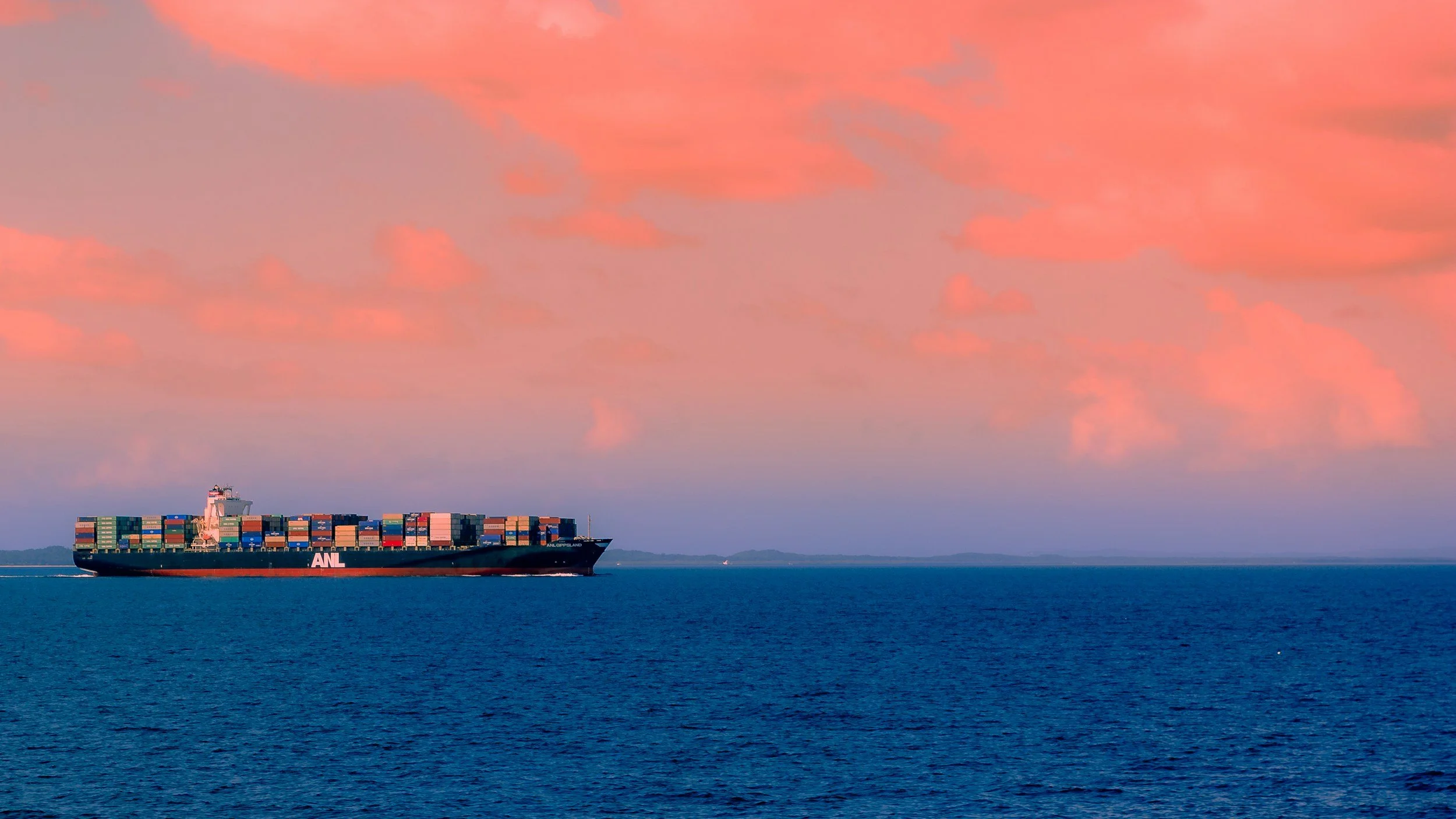
Major shipbuilder HD Hyundai is teaming up with American Bureau of Shipping to design what could become the first nuclear-powered container ship for everyday commercial use. The project was announced in March and focuses on designing a vessel powered by a nuclear-linked electric propulsion system, potentially generating up to about 134,000 horsepower and carrying 16,000 containers. At the center of the design are Small Modular Reactors, which are smaller, more flexible nuclear reactors that can generate huge amounts of power to keep a ship moving across long ocean routes without relying on fossil fuels. Because nuclear power can provide a steady and strong energy supply, the ship could also carry more refrigerated containers, which need constant electricity. Safety is a big concern, so the team is working to meet strict global standards from groups like the International Maritime Organization and the International Atomic Energy Agency. The project is part of a bigger trend to make the shipping industry cleaner and more efficient, and nuclear power could be one way to help the industry meet their net-zero emission goals.
MORE IN SUSTAINABILITY NEWS
NASA space launch sets stage for nuclear power on the moon.
Pocket gardens: The tiny urban oases with surprisingly big benefits.
Maine is poised to be the first state to ban data centers.
If you want to know more about microplastics, consider watching on Netflix: The Plastic Detox.
Rooftop solar is now 20% of Puerto Rico’s power-generating capacity.
Deepwater discoveries: scientists find more than 110 new fish and invertebrate species in the Coral sea.
Concrete production has a huge carbon footprint. This playground is made out of recycled cement pipes.
Hawaii researchers are testing asphalt made from recycled plastic waste and abandoned fishing nets. By reusing materials already on the islands, the project aims to reduce landfill pressure and avoid shipping waste elsewhere.
Trump’s ‘God Squad’ waives protections to increase oil drilling.
The West’s unprecedented winter could fuel a summer of disaster.
Your ‘widely recyclable’ Starbucks cup is still trash.
Is your state becoming uninsurable? Grist has the latest data.
Nation’s largest urban battery to take center stage near San Francisco.
The iNaturalist app is turning nature lovers into citizen scientists every time they spot an animal in the wild. The 6 million monthly users provide data that researchers can use to study biodiversity, species decline, and habitat changes.
New research: Not only do sharks have friends, they have third spaces.
Nobel Prize winner invents device that pulls drinking water from the desert air: 'Could be a lifeline for 2 billion people'.