
Sustainability Weekly

Fridays are for…
Global Recycling Day, U.S. Overshoot Day, New Species, and more!
by Alli DiGiacomo
Happy Friday! Coming up this week on March 18th is Global Recycling Day! ♻️ It was started by the Bureau of International Recycling and is meant to highlight the importance of recycling and reducing waste to protect the environment. Recycling helps conserve natural and raw materials, reduces pollution, and decreases greenhouse gas emissions! Recycling has become easier and more common over time. Many everyday items can be recycled multiple times, like aluminum cans, more than 50% of which are recycled, and paper products, which can be turned into new paper in as little as a week.
Keep reading for more sustainability news…
T H I S W E E K ’ S T O P S T O R I E S
MARCH 14TH, 2026 IS UNITED STATES EARTH OVERSHOOT DAY
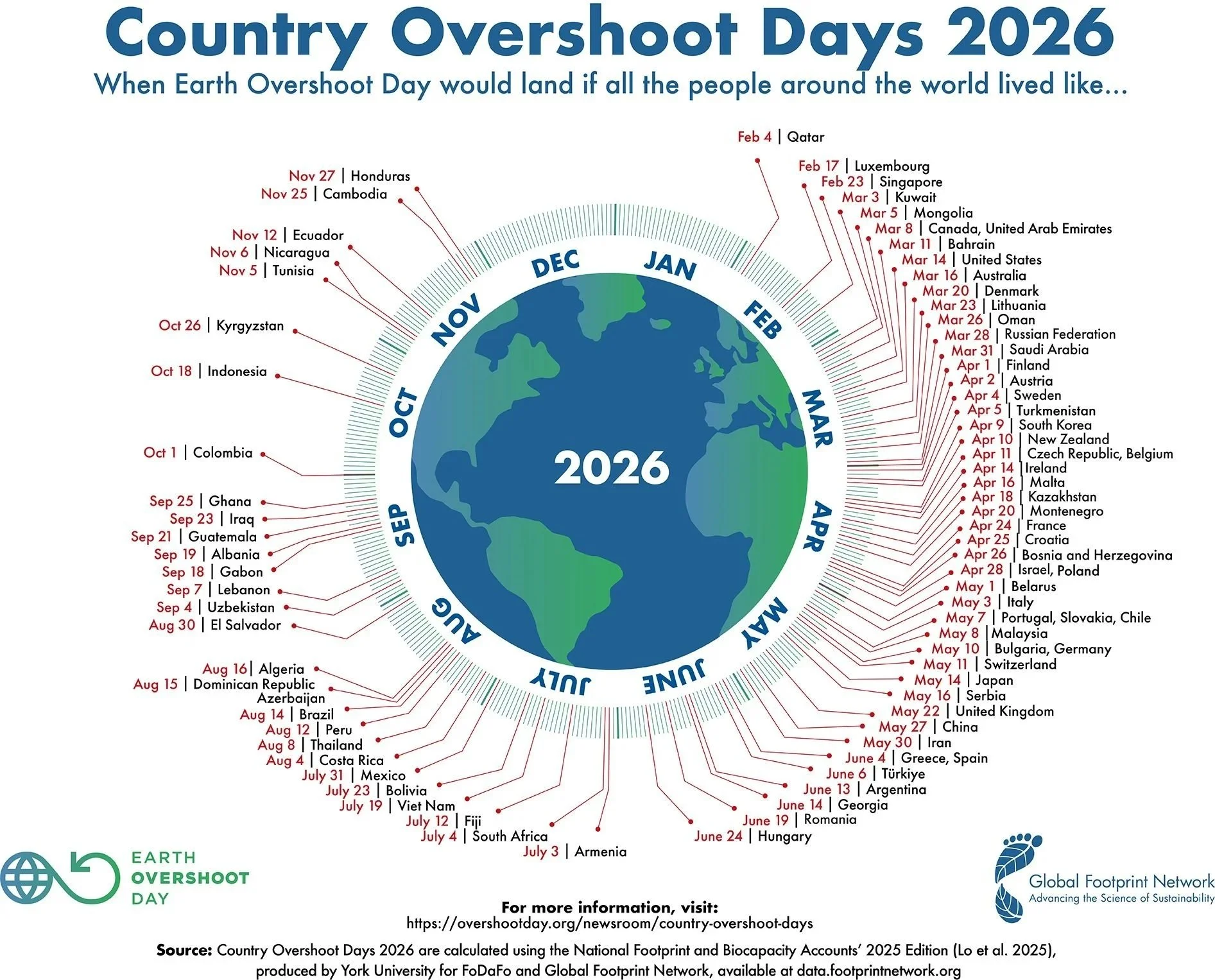
Image credit: Global Footprint Network 2026, www.overshootday.org and www.footprintnetwork.org.
The United States Earth Overshoot Day is the date when Earth Overshoot Day would fall if everyone in the world lived like the people of the U.S. In other words, it shows how quickly the planet’s yearly supply of natural resources would be used up if global consumption matched the U.S.’s lifestyle, energy use, and waste levels. Earth Overshoot Day for the United States falls on March 14, 2026, meaning that by this date the U.S. has used more natural resources in 2026 than the Earth can regenerate for the entire year. This concept comes from Global Footprint Network, which calculates Overshoot Day each year by comparing humanity’s ecological footprint (the demand for food, timber, energy, land, and other resources) with the planet’s biocapacity (how much nature can regenerate in one year). When a country’s Overshoot Day arrives, it means that for the rest of the year that country is operating in ecological deficit, relying on resource depletion, imports, or excess carbon emissions that the environment cannot absorb. The U.S. reaches its Overshoot Day earlier than most countries because of its high levels of consumption, energy use, and waste generation. The global date (Earth Overshoot Day) usually falls later in the year, predicted to be in June this year, but wealthy nations hit their national dates much sooner. Pushing the date back would require changes such as improving energy efficiency, reducing food waste, using more renewable energy, resource management, lowering overall consumption, and the country’s leadership to believe in science.
HERE COMES THE HEAT

Even though this winter was cold in the Northeast, globally and across most of the U.S. it was actually the 2nd warmest winter ever recorded. The West saw extreme heat that broke pretty much every record in Western cities such as Phoenix and Salt Lake City. The numbers were so unusually high that some places beat past records by several degrees, which normally shouldn’t happen in a stable climate. A predicted heat dome coming up is expected to push temperatures even higher, worsening drought across the Southwest, where snowpack is at record lows and reservoirs in states like Utah are only about 40% full. This is concerning because it will cause water shortages, impacts on farming, and major wildfire dangers. Ocean temperatures are also far above normal, including a marine heat wave off California, and a likely strong El Niño later this year could make global temperatures even higher and possibly lead to record heat in 2027.
Rising greenhouse gases mean each warming cycle starts from a hotter baseline, making extreme weather more intense and unpredictable. At the same time, cuts to weather and climate research programs, including reduced data from weather balloons and forecasting systems, may make it harder to predict storms, fires, and heat waves accurately. Extreme heat is already affecting daily life around the world. Over a third of the global population lives in places where temperatures regularly become dangerous, especially for elderly adults and vulnerable populations. The low snowpack in the West will put strain on major water systems like the Colorado River, and new studies expose how large ocean currents such as the Gulf Stream may already be shifting, suggesting a possible sign of bigger climate changes ahead. All this data warns that the next few years could bring unusually intense heat, drought, and extreme weather, with serious impacts on water supplies, health, and the economy.
SCIENTISTS ARE DISCOVERING NEW SPECIES AT FASTER RATE THAN EVER
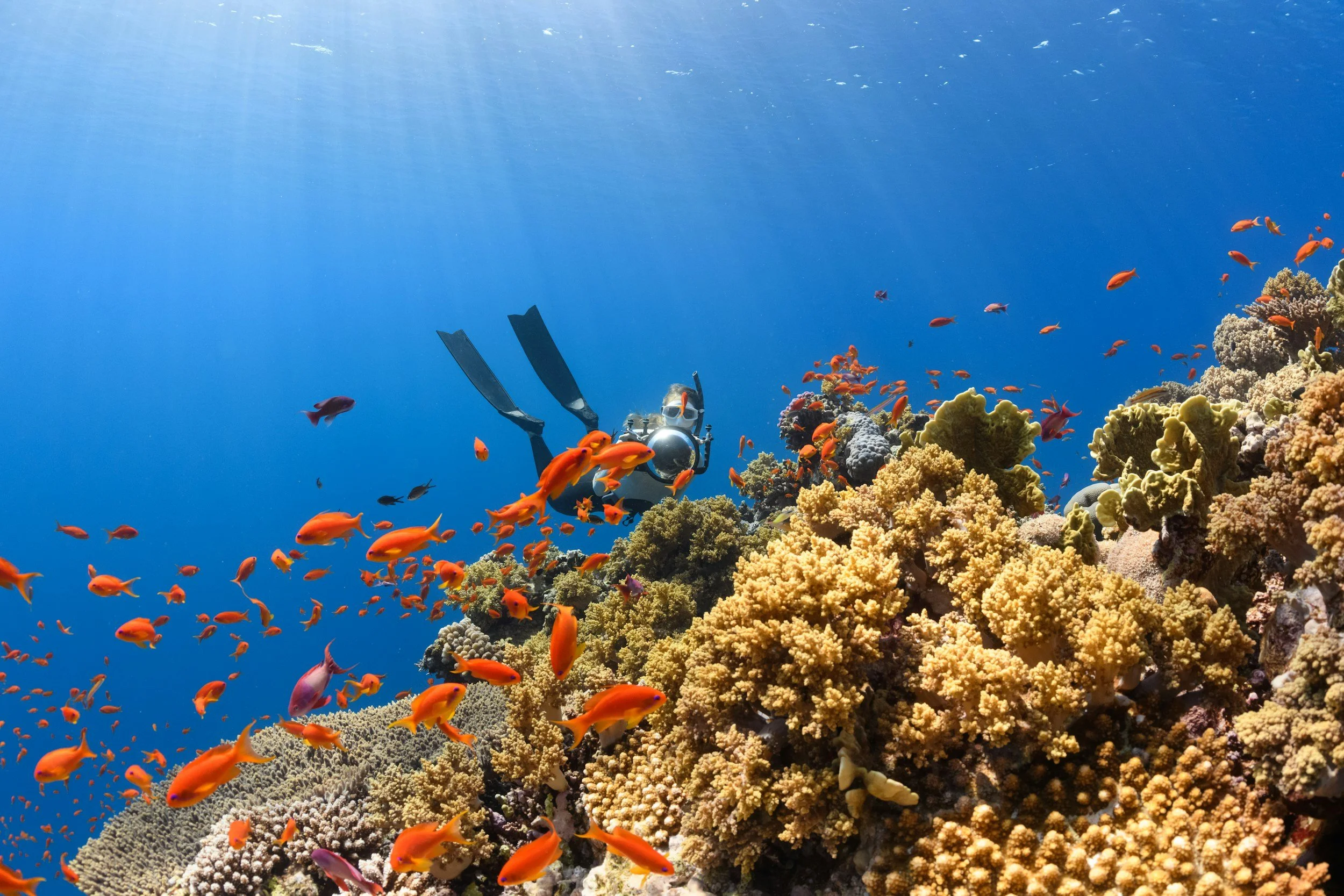
Scientists are discovering new species faster than any point in history, currently at a rate of more than 16,000 new species identified per year, based on studies of about 2 million known organisms. These discoveries include over 10,000 animals and insects, along with thousands of plants, fungi, and even new vertebrates. The findings not only challenge the old idea that scientists were running out of species to find, but they far exceed the estimated extinction rate of about 10 species per year. Researchers say that even after 300 years of modern taxonomy and 2.5 million species discovered, this is likely only a small percentage of the life on Earth and the true number is projected to be hundreds of millions or in the low billions. For example, the research projects that there may be as many as 115,000 fish species and 41,000 amphibian species, despite only about 42,000 fish and 9,000 amphibians currently identified. New tools like DNA analysis are helping scientists find hidden species that look the same but are genetically different, meaning discoveries could speed up even more in the future. Identifying new species is important because they cannot be protected until they are officially described, and many could have major benefits for people, including new medicines, materials, or technologies inspired by nature. We are still only scratching the surface of Earth’s biodiversity, and each new discovery helps scientists better understand the planet and protect the ecosystems we depend on.
MORE IN SUSTAINABILITY NEWS
‘I need more time’: NY Gov. Hochul asks lawmakers to punt climate deadlines.
The USDA agreed to share climate risk data with farmers, and now, even if the web pages come down again, the data will remain public.
One of TIME’s best innovations of 2025, the Snow Secure Insulation Mat, helps ski resorts “farm” or store snow over the summer.
Before the world arrives for the LA28 Olympics, the goats are going to work.
Vienna, Austria, is swapping parking spaces for green space.
Japan eyes remote Pacific islands for nuclear waste.
Toxic black rain hits Tehran after strikes on oil and water infrastructure in Iran, which will cause long term health effects and pollution to the soil, water, and surrounding environment for decades.
Autonomous University of Barcelona published a new report, A pathway to achieve high well-being and a safe climate without relying on GDP growth.
Artificial reef structures made from concrete blocks are restoring marine life in Cambodia’s coastal waters.
The war in Iran is making the case even stronger for renewable energy.
China’s clean energy push has made it less vulnerable to energy shocks, including the Iran War.
Residents of Addisleigh Park, Queens, object to plans for a 4.9-megawatt battery storage system, though the developers behind the proposal say abundant precautions are in place against possible fires.
Upstate NY communities eye nuclear power.
London, San Francisco and Beijing achieve ‘remarkable reductions’ in air pollution.
Peak interest: Toronto’s snow mountains that refuse to melt are a toxic hazard.
A record number of objects were launched into space last year, mostly from the U.S.