
Sustainability Weekly

Fridays are for…
The Winter Olympics, Artificial Snow Making, Data Centers in Space, and more!
by Alli DiGiacomo
Happy Friday! This week kicks off the Milano-Cortina 2026 Winter Olympics and Paralympics in Italy! Many past Olympics have been criticized for their energy use, massive amounts of waste production, and damage to the local host cities. This year, Italy is attempting to do it differently. Starting with the opening ceremony tonight, the Olympic torch itself is powered by Bio-LPG, a fuel made from waste and residues from plants and vegetable oil, reducing the carbon footprint by up to 90% compared to petroleum. The Gold, Silver, and Bronze metals are made from recycled metal recovered from the manufacturers own production waste, and produced entirely with renewable energy. Read more on the sustainability of the games below.
If you are looking for something to do in NYC this weekend to stay warm, you could check out the NYC Center for Architecture’s exhibit, Making Energy Visible, available through March 28th.
Keep reading for more sustainability news…
T H I S W E E K ’ S T O P S T O R I E S
SUSTAINABILITY AT THE WINTER OLYMPICS
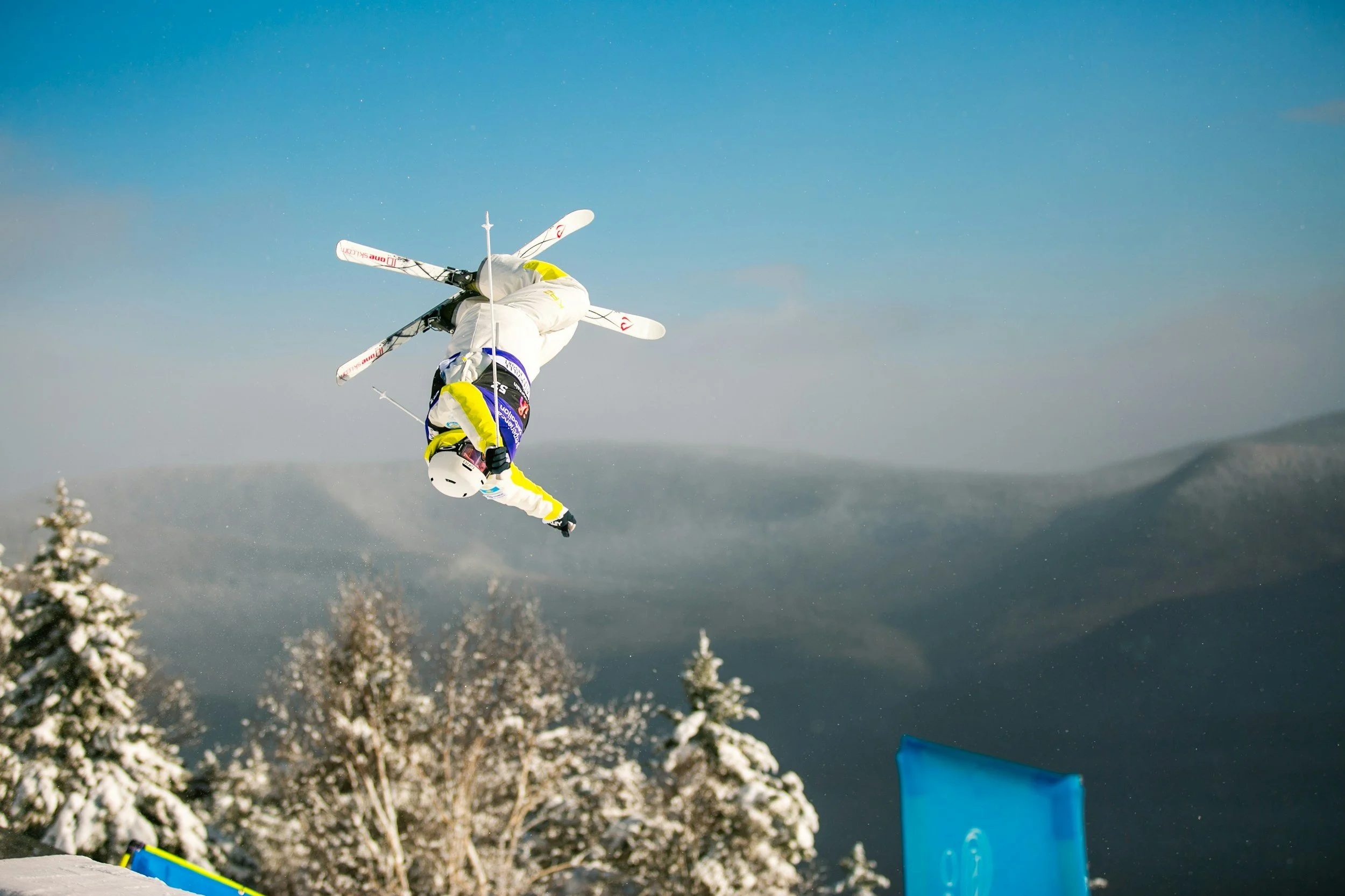
This week kicks off the Milano-Cortina 2026 Winter Olympics and Paralympics in Italy! The Olympic Committee and Italian organizers have been planning for what is supposed to be the most sustainable winter games yet. Sustainability is a theme throughout many aspects of the games, including the venue, infrastructure, local ecosystem impact, and the post-games plan. Starting with the 6 different venues, 85% of which are reusing existing buildings instead of constructing from scratch. The new buildings are low-carbon and are planned for reuse, such as the Milan Olympic Village that will become affordable student housing, which is a local need. They are LEED Gold certified, contain elements such as rooftop solar, rainwater harvesting, and heat pumps. Many of the equipment and materials is rented, and over 24,000 items are being reused from the Paris 2024 Olympics, and will be donated/resold after the games. The podiums are adaptable and will be reused after the games. Recovering food waste and recycling 70% of the other waste is the goal for all the events.
Energy and transportation are a big part of the sustainability pitch, though they also show where the limits are. Most venues will run on renewable electricity, while backup generators and snowcats use HVO biofuel (made from waste such as used cooking oil and animal fats), which can cut emissions by about 70% compared to fossil fuels. Rail is supposed to be the main way people move around during the Games, so Italy increased train service and shuttle connections. Critics point out that many alpine venues are still 35-60 kilometers from the nearest train station, which makes fully avoiding car and bus travel tough.
The local environmental and ecosystem impact of all the outdoor venues was already minimized by using existing venues. Snowmaking, which is increasingly unavoidable as winters warm (in the last five years alone, Italy lost 265 ski resorts, and France, which is hosting the next Winter Olympics, has lost over 180), is promised to be kept to the minimum needed for safe competition. Only water, air and energy are used, with no chemical additives, and most of the energy comes from renewable sources.
Even with these improvements, the overall climate impact is still significant. Total emissions are estimated to be 1 million tonnes of CO₂, mostly from construction and spectator travel, and only about a third of those emissions are currently planned to be offset. Sponsorships are another controversial aspect that critics point out are with some high-polluting companies like Italian oil giant ENI and ITA Airways, that potentially undermine the Games sustainability message. Also, after at least 600 centuries-old larch trees were cut down to build a new sliding track (since the Italian government did not support any aspect of the Games in Austria where the existing track is), hundreds of locals and environmentalists protested.
ARTIFICIAL SNOW MAKING AND THE FUTURE OF WINTER OLYMPICS
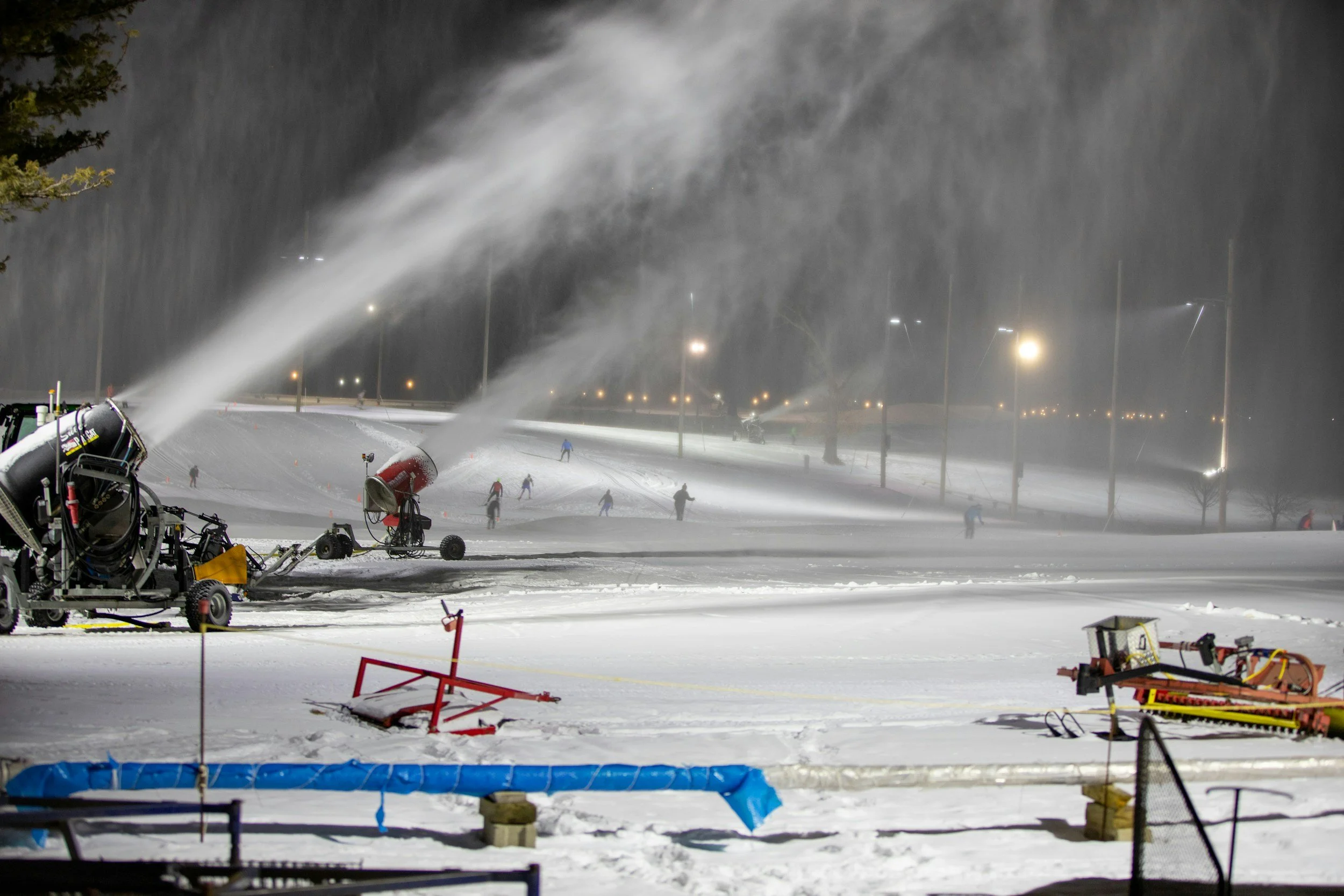
Snowmaking is the process of creating artificial snow using machines when natural snowfall isn’t sufficient to support winter sports like skiing or snowboarding. Snowmaking systems spray a fine mist of water into cold air using specialized snow guns, where the droplets freeze before reaching the ground and form snow crystals. To work effectively, temperatures usually need to be below freezing. Water is typically obtained from nearby rivers, lakes, or reservoirs, while energy is needed to power pumps, compressors, and automated control systems.
As winters warm, reliance on snowmaking is expected to increase sharply in the coming decades, especially in North America and Eastern Europe, raising understandable concerns about water use, energy demand, and emissions. Machine-made snow is no longer optional for the Winter Olympics but essential to their survival. Snowmaking has been used at every Winter Games since 1980, and without it, today’s Winter Olympics genuinely wouldn’t work. A study found that out of 93 potential host locations, only 7 would currently be cold enough for the Olympics and just 5 for the Paralympics without artificial snow. Reducing or getting rid of snowmaking would potentially cause unsafe conditions for athletes, canceled events, and eventually the loss of snow sports from the Winter Games altogether.
In reality, the environmental impact of snowmaking is dependent on the region and how the energy is produced to make it. Newer snowmaking technology is far more efficient than older systems, using 20-40% less water and up to 70% less energy, and many resorts and Olympic organizers now pair snowmaking with renewable electricity to reduce its climate impact. Once the snow is produced and groomed, it melts slowly and in many locations most of the water returns to the same watershed after it melts. Producing the same amount of artificial snow at the Milano-Cortina Games could create 6X more emissions than in the French Alps, and snowmaking in Salt Lake City could generate up to 16X more, simply because of differences in grid carbon intensity. For the Milano-Cortina 2026 Games, officials say more than 2 million cubic yards of artificial snow was already produced 2 weeks before the athletes even arrived. What’s clear is that winter sports are already changing, ski seasons are shrinking, resort towns face uncertain futures, and most Olympic winter athletes are worried about what climate change means for the sports they’ve trained for their entire lives.
CAN DATA CENTERS BE PUT INTO SPACE?
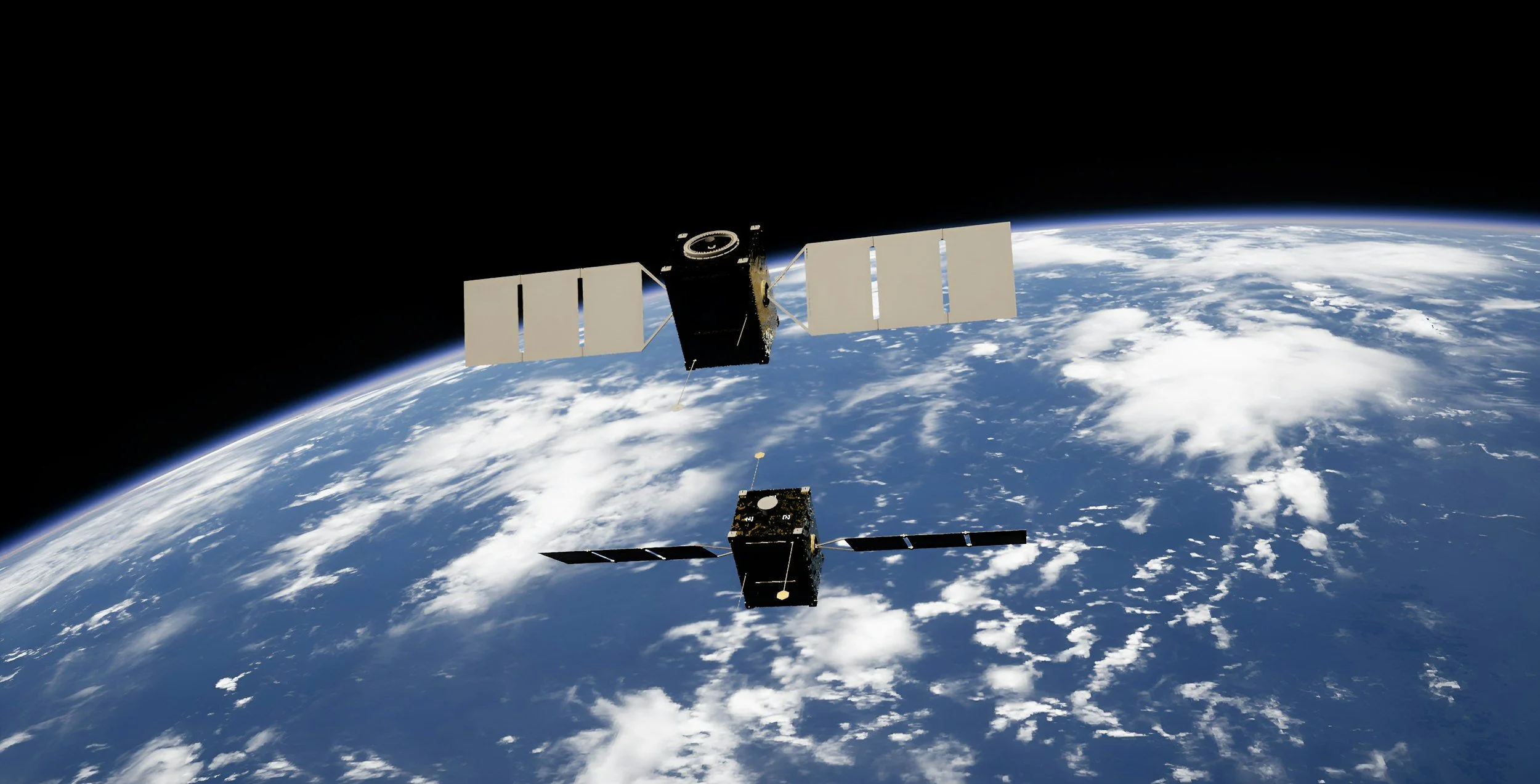
Elon Musk recently pitched a bold plan to move massive, solar-powered data centers into space, arguing it’s the only way to scale AI without overwhelming Earth’s power grids or driving up energy costs. He says constant sunlight in orbit could power AI systems using photovoltaic panels and reduce the need for land- and water-intensive data centers on the ground. He’s backing the idea by merging SpaceX with his AI company to help finance it.
Experts say that in theory, space-based data centers could ease pressure on utilities and support the growing demand for chatbots and AI tools, but the idea comes with serious technical and environmental challenges. Space may be cold, but it’s also a vacuum, which makes it hard to get rid of the huge amounts of heat data centers produce, potentially requiring massive radiator structures that have never been built at this scale. There’s also concern about space debris, since Musk’s plan could involve up to a million satellites (there are already almost 10,000 Starlink satellites in orbit), increasing the risk of collisions that could disrupt critical services. On top of that, repairing or replacing damaged AI chips in orbit is nearly impossible, so any failures would be expensive and frequent. Other companies such as Google and Blue Origin are exploring similar ideas, but Musk’s advantage is his control of SpaceX, which gives him cheaper launch costs.
MORE IN SUSTAINABILITY NEWS
Meet the Olympic athletes taking climate action.
The Olympics are ditching PFAS waxes — and the ‘ridiculous’ speed they gave skiers. The Milan Cortina Games will be the first Olympics without them.
The Energy Star program has emerged stronger after the EPA tried to end it in a rare policy reversal. This is after over 1,000 manufacturers, home builders, advocacy groups and local governments signed a letter last April asking the administration to keep the program.
A player on Italy’s Olympic women’s hockey team (from New Jersey) is also a climate scientist — and is using her platform to raise awareness about the impacts of climate change and saving winter sports.
Meet the end of those annoying plastic condiment packets. This one goes out to everyone with a refrigerator drawer full of soy sauce packets.
Frank Lloyd Wright’s Falling Water in Pennsylvania must ‘adapt’ to climate change or ‘collapse’.
US solar manufacturing in 2026: What to expect.
The U.K. announced a plan to give households £15 billion for solar panels and other green tech.
California explores first-time regulation on dairy Methane emissions.
The Trump administration has secretly rewritten nuclear safety rules.
Scientists begin unprecedented tests on 'Doomsday Glacier'. After a three-week voyage and 17-day wait for workable conditions, researchers have finally reached the most in Antarctica, where they will drill through the glacier to provide never-before-seen data on how the water is melting the ice from the bottom up, adding to global sea-level rise.
A court has found that the Dutch government discriminated against Bonaire islanders, people in one of its most vulnerable territories, by not helping them adapt to climate change.
Redwood Materials, now Redwood Energy, announces $425 million in Series E funding as it expands its battery recycling mission.
Consumer Reports’ top cars are all hybrids or EVs for the first time.
Study: Air pollution from wildfires kills tens of thousands of Americans each year.