
Sustainability Weekly

Fridays are for…
Invasive Species Awareness, Historic Rollbacks, Environmental Lawsuits, and more!
by Alli DiGiacomo
Happy Friday! This coming week, February 23-27, is National Invasive Species Awareness Week 2026. Every year it is a week dedicated to raising awareness about invasive species, which are plants, animals, or insects that are introduced to places where they don’t naturally belong and end up causing lots of harm. Because they often have no natural predators in their new environments, invasive species can spread quickly, push out native wildlife, damage ecosystems, and create serious economic and environmental damage. In NYC, you are probably already aware of the spotted lantern fly and the “stomp and squish” campaign. In the greater New York State, current invasive species hurting the local ecosystems are emerald ash borer, zebra mussels, japanese knotwood, and more. The week highlights why prevention matters, like cleaning boats and gear, choosing native plants, and reporting sightings, since stopping invasive species early is far easier and cheaper than dealing with the long-term damage they can cause.
Keep reading for more sustainability news…
T H I S W E E K ’ S T O P S T O R I E S
THE EPA REVERSES THE 2009 ENDANGERMENT FINDING AND ERASES THE U.S. GOVERNMENT’S POWER TO FIGHT CLIMATE CHANGE
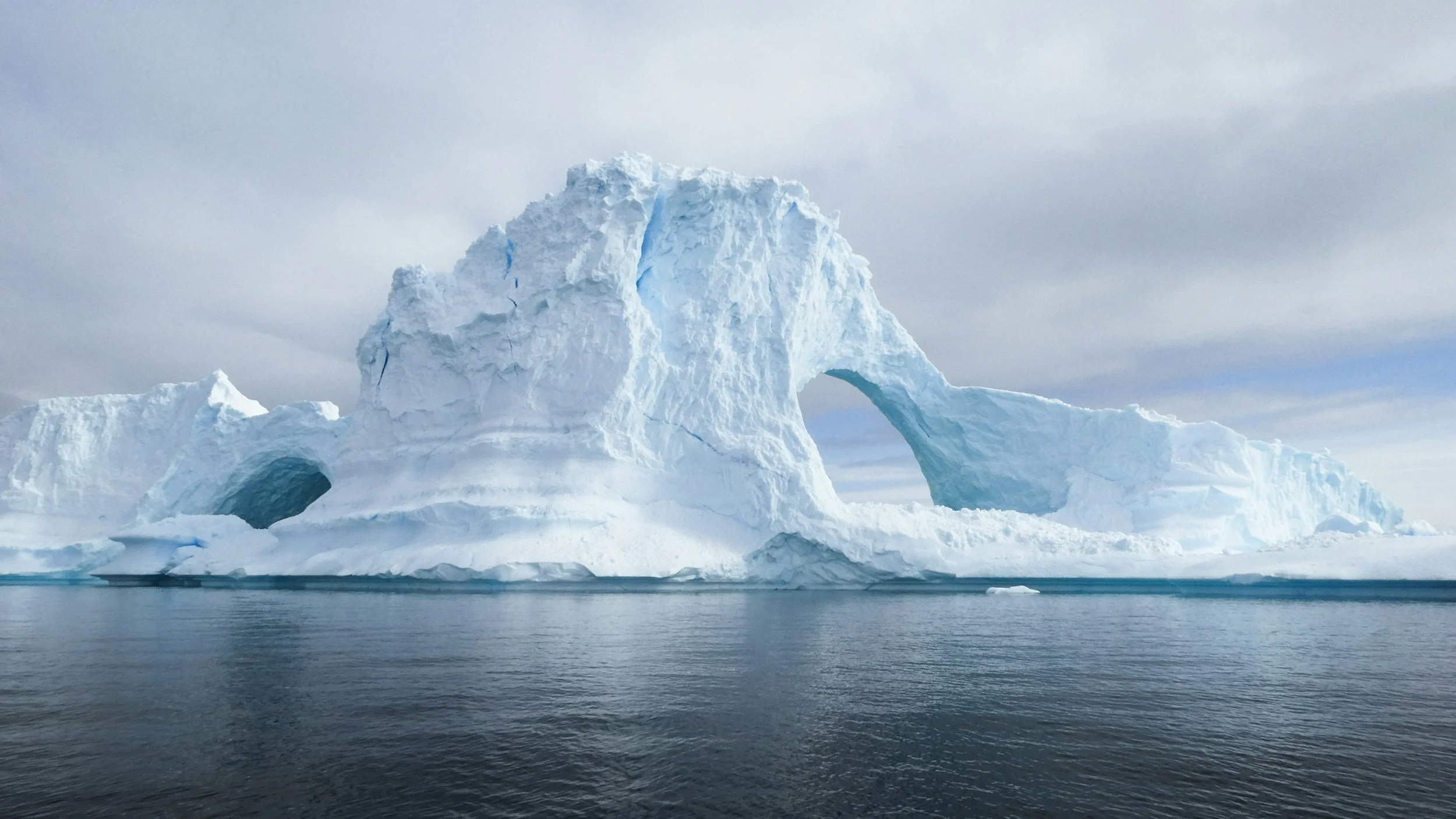
President Donald Trump says he is repealing the Environmental Protection Agency (EPA)’s 2009 “endangerment finding,” the scientific determination that greenhouse gases such as carbon dioxide and methane threaten human health and the environment. This decision will seriously weaken the government’s ability to regulate climate pollution from cars, power plants, and industries. While the administration has not yet released the legal documents to make this official, the repeal is the most aggressive rollback of environmental protections ever and would symbolically align federal policy with Trump’s ongoing claims that climate change is a “hoax,” despite overwhelming scientific consensus spanning decades. The EPA’s arguing that the Clean Air Act does not authorize it to regulate greenhouse gases, contradicting the Supreme Court of the United States’s 2007 Massachusetts v. EPA ruling that found greenhouse gases are a pollutant. This is setting up what is likely a major court battle, and lawsuits have already begun. Two lawsuits against both the EPA and its administrator, Lee Zeldin, have already been filed by healthcare professionals, scientists and children. The plaintiffs say the decision is “reckless, illogical and ignores the vast majority of public comments.”
Zeldin has framed the repeal as a quality-of-life win for drivers, claiming it could eliminate unpopular auto features like stop-start engines, though it’s unclear why existing authority couldn’t address that. Transportation is the largest source of U.S. emissions and climate pollution is linked to rising deaths from heat, wildfire smoke, and worsening air quality. The decision won’t immediately change things for utilities or automakers since many climate rules are already paused, but it could reshape U.S. climate policy for decades if upheld. The decision could block future presidents from restoring climate rules, further isolating the U.S. globally after Trump withdrew from the Paris Agreement, even as most of the world accelerates climate action.
13 STATES SUE OVER CANCELLATION OF FEDERAL CLEAN ENERGY AND CLIMATE FUNDS
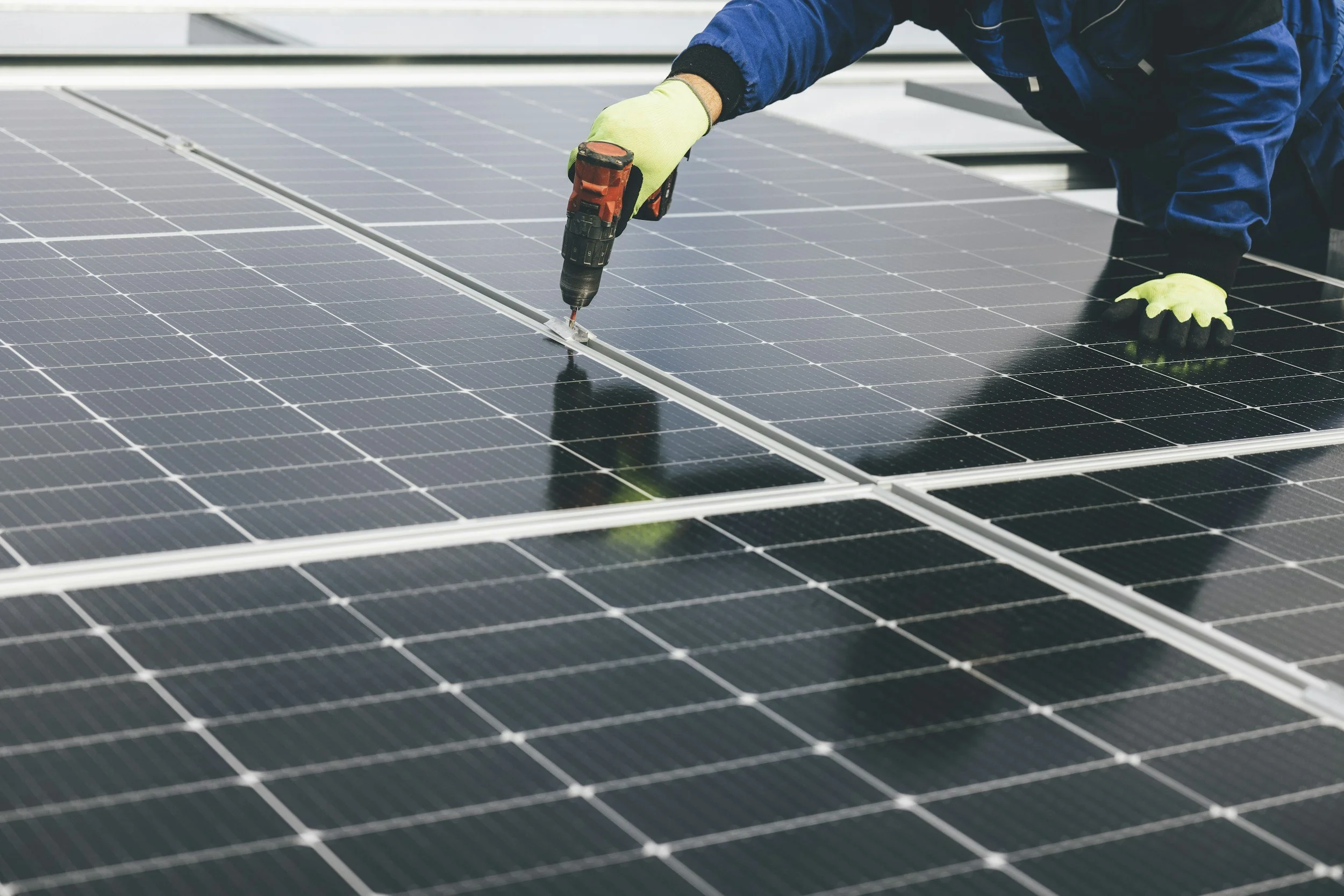
Thirteen Democratic-led states have filed lawsuits against the Trump administration over its cancellation of billions of dollars in federally approved clean energy and climate funds, arguing the move is unconstitutional and politically motivated. The states say the administration illegally blocked money Congress had already authorized, violating the separation of powers and federal administrative law, and used a so-called review process at the U.S. Department of Energy as cover to defund programs it opposes, often labeled by officials as “Green New Scam” spending. The dispute referenced the major cuts to clean energy grants, including $7.56 billion in DOE awards and roughly $2.2 billion for renewable-powered hydrogen hubs in California and the Pacific Northwest, projects the states say would have leveraged billions more in private investment and supported hundreds of thousands of jobs. The lawsuits also reference stalled or abandoned grants for universities and methane reduction efforts, warning the cuts undermine state economies, climate goals, and public health. The White House defends the rollbacks as fiscal restraint, but courts have already ordered some funding restored, which is setting up a broader legal fight over whether the administration can override Congress on climate and clean energy spending.
NEW EUROPEAN UNION RULE BANS THE DESTRUCTION OF UNSOLD CLOTHES AND SHOES
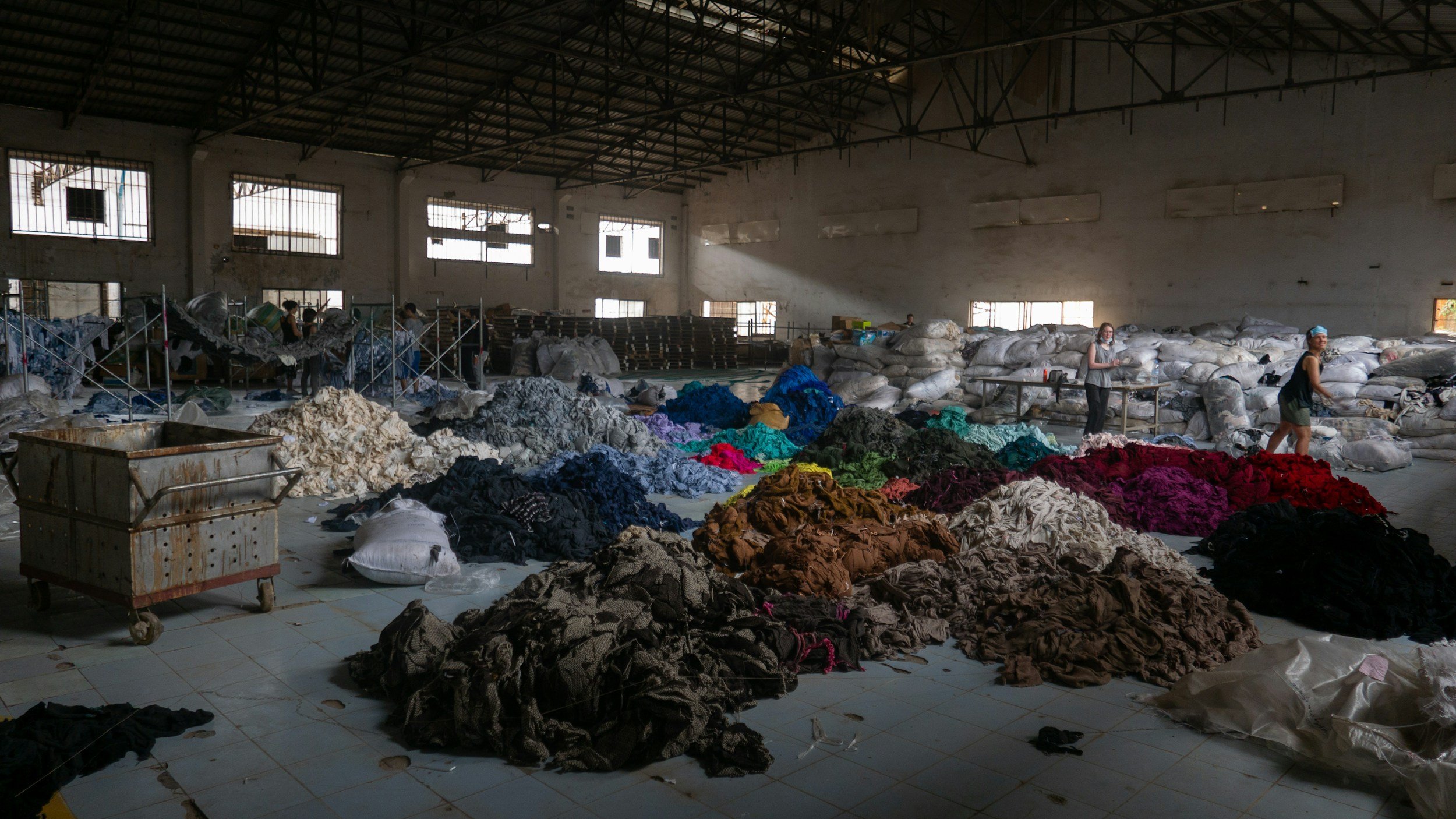
The European Commission has approved new rules to crack down on the destruction of unsold clothes, shoes, and accessories, a practice that wastes huge amounts of material and contributes to environmental pollution. Under the Ecodesign for Sustainable Products Regulation, companies will have to report how much unsold stock they throw away and, in most cases, will no longer be allowed to destroy it at all. Currently, each year in Europe, 4–9% of unsold textiles are trashed before ever being worn, creating about 5.6 million tons of greenhouse gas emissions. The recent increase in online shopping has majorly contributed to this as well. The rules do include limited exceptions, like for safety or damaged goods, and set up a standardized reporting system starting in 2027. Large companies must comply with the ban by July 2026, while medium-sized businesses get more time, until 2030. Instead of dumping products, companies are encouraged to resell, donate, repair, or reuse them, pushing the fashion industry toward a more circular and less wasteful model.
MORE IN SUSTAINABILITY NEWS
The Fighting Fibers Act has been introduced in Washington which would mandate all new washing machines have built-in microfiber filters by 2030, reducing microfiber emissions up to 90% and providing a way to wash our clothes without contributing to microplastic pollution.
The U.S. has at least 10 next-generation geothermal projects underway. See an overview here.
New Jersey unions form a coalition to promote a statewide solar and storage program it says will lower energy costs and create jobs.
A bill introduced in the NY state legislature would make it a crime to knowingly risk a catastrophe, a measure that could be used to hold fossil fuel executives accountable for major environmental and climate damages.
The Olympics just saw its first ‘forever chemical’ disqualifications.
Deep sea shark caught on camera in Antarctica's waters for the first time.
How a ‘Powerful Vision’ on Whales and Oceans could change worldviews.
Newly proposed legislation in NY would impose a three-year moratorium on data center development to allow the state to figure out how to prevent such facilities from increasing electricity rates for residents.
Study: Four global policies could eliminate more than 90% of plastic waste and 30% of linked carbon emissions by 2050.
This giant garden used to be a coal mine. Now, it feeds thousands every year.
How otters are slowing climate change by snacking.
Sustainable initiatives played a crucial role in Super Bowl LX.
Hundreds of new species found in a hidden world beneath the Pacific.
Stayin' alive: Fish disco saves 90% of marine life from nuclear plant.
Edward R. Murrow High School in NYC is heat-powered by a first-of-its- kind vegetable oil biofuel boiler. Beyond warmth, the boilers are also helping improve air quality in one of the American Lung Association’s top 25 most polluted cities since 2025.
“What goes up must come down.” A new study underscores growing unease about pollution from mostly unregulated commercial space activities.