
Sustainability Weekly

Fridays are for…
Snow Days, Vertical Farms, Offshore Wind Plans, and more!
by Alli DiGiacomo
Happy Friday! Hopefully everyone has gotten the chance to appreciate the snow this week in NYC! Although it admittedly comes with many inconveniences and dangers, it can be fun and beautiful too! I mean, have you ever dived deeper into how snowflakes are formed? So cool! More on what happens to the city in a snowstorm below, but check out Central Park Conservancy’s guide to a snow day in Central Park. Who knows, you might even run into an olympic gold medalist!
Also this week on January 26th was World Clean Energy Day, raising awareness of the critical transition to energy that is renewable, sustainable, affordable, and does not contribute to climate change by burning fossil fuels. The good news is that this is happening globally, the bad news is that is not happening fast enough. We also need to make sure we do it in a just way that benefits both the people and the planet. Read more here.
Keep reading for more sustainability news…
T H I S W E E K ’ S T O P S T O R I E S
NYC’S SNOW OPERATIONS
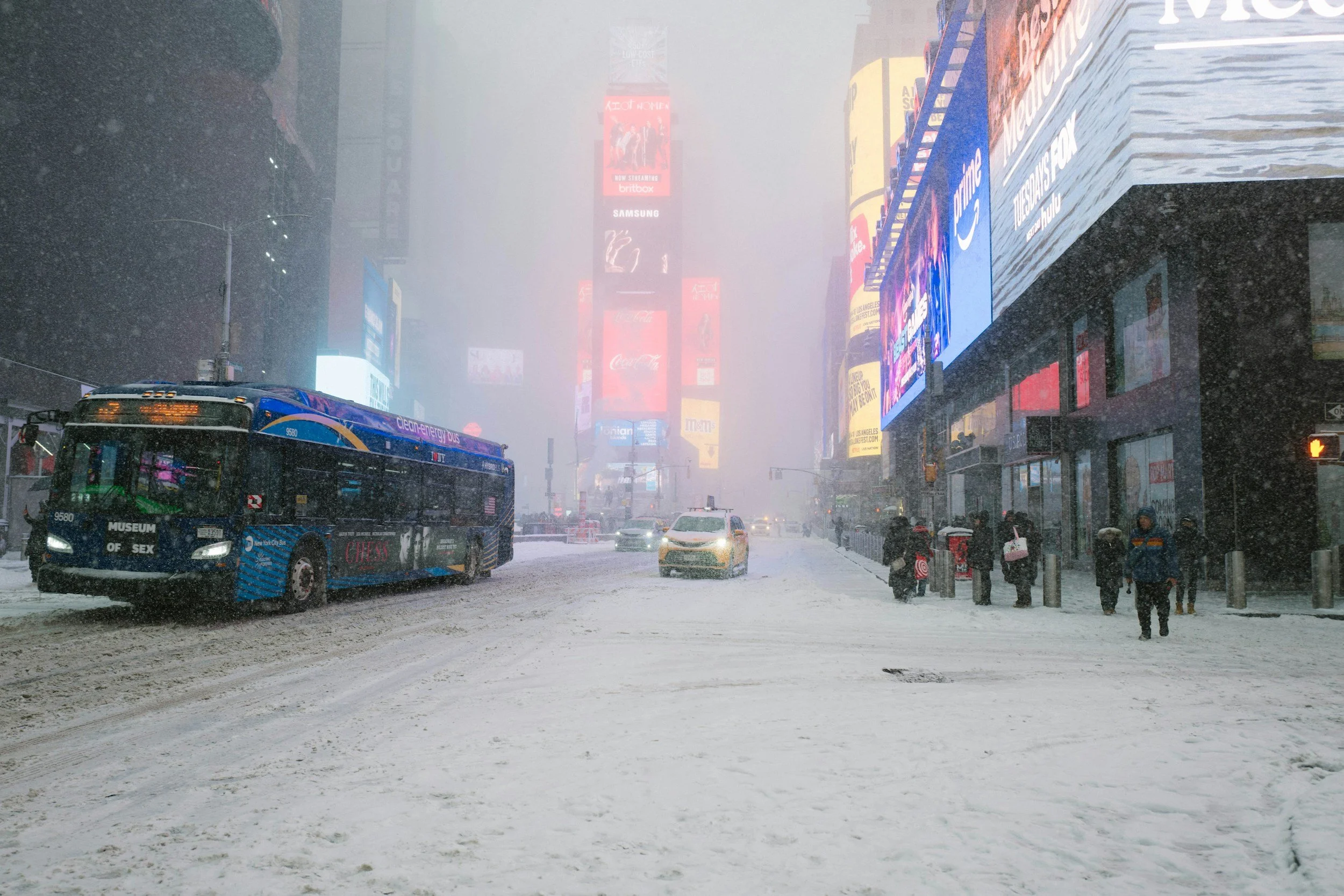
Ever wondered what NYC does with all the snow after a big storm like last week? When a major snowstorm hits, preparations begin well before snowfall. Cleanup is a shared responsibility by pretty much everyone. The Department of Sanitation (DSNY) shifts into “snow mode,” converting garbage and recycling trucks into plows, loading salt spreaders, and staging crews for 24/7 operations. In prolonged cold, highways and major streets may be pre-treated with liquid salt brine to prevent ice from bonding to pavement. Once about 2” of snow accumulates, plows deploy citywide on fixed routes covering roughly 19,000 mi of lanes. Plows push snow to the right to keep lanes and turns open, which clears streets for vehicles but creates large snow piles at curbs, sidewalks, bus stops, bike lanes, and crosswalks. Meanwhile, property owners, lessees, or tenants are legally required to clear 4' wide paths from snow and ice from sidewalks on/adjacent to their property within a specific timeframe after snowfall. Fines are $250 for failing to do so, or placing snow into the roadway.
Streets generally clear quickly, while pedestrian areas remain blocked longer, especially in prolonged freezing temperatures. When cold persists and snowbanks turn to ice, like this past week, the city deployed 8 snow-melting machines across all 5 boroughs that heat trucked-in snow and safely discharge the water into the sewer system at up to 120 tons of snow per hour. The city is under what is called an enhanced “Blue Code”, which means opening shelters, warming centers, mobile warming vehicles, and urging residents to stay indoors and call 311 if they see someone in danger.
Behind the scenes, about 10,000 sanitation workers and emergency shovelers work rotating 12-hour shifts, often overnight. Trash, recycling, and compost collection may be delayed because the same crews handle snow removal. Ferry service can be suspended due to icy waterways, alternate side parking is paused. Many bike lanes are unusable, unfortunately, The most difficult work often continues long after the snow stops falling. Thank you to our often overlooked sanitation workers who have been working long shifts in the freezing cold, in white-out conditions that change hourly.
THE WORLD'S TALLEST INDOOR VERTICAL FARM OPENS IN SINGAPORE WITH SMART TECHNOLOGY
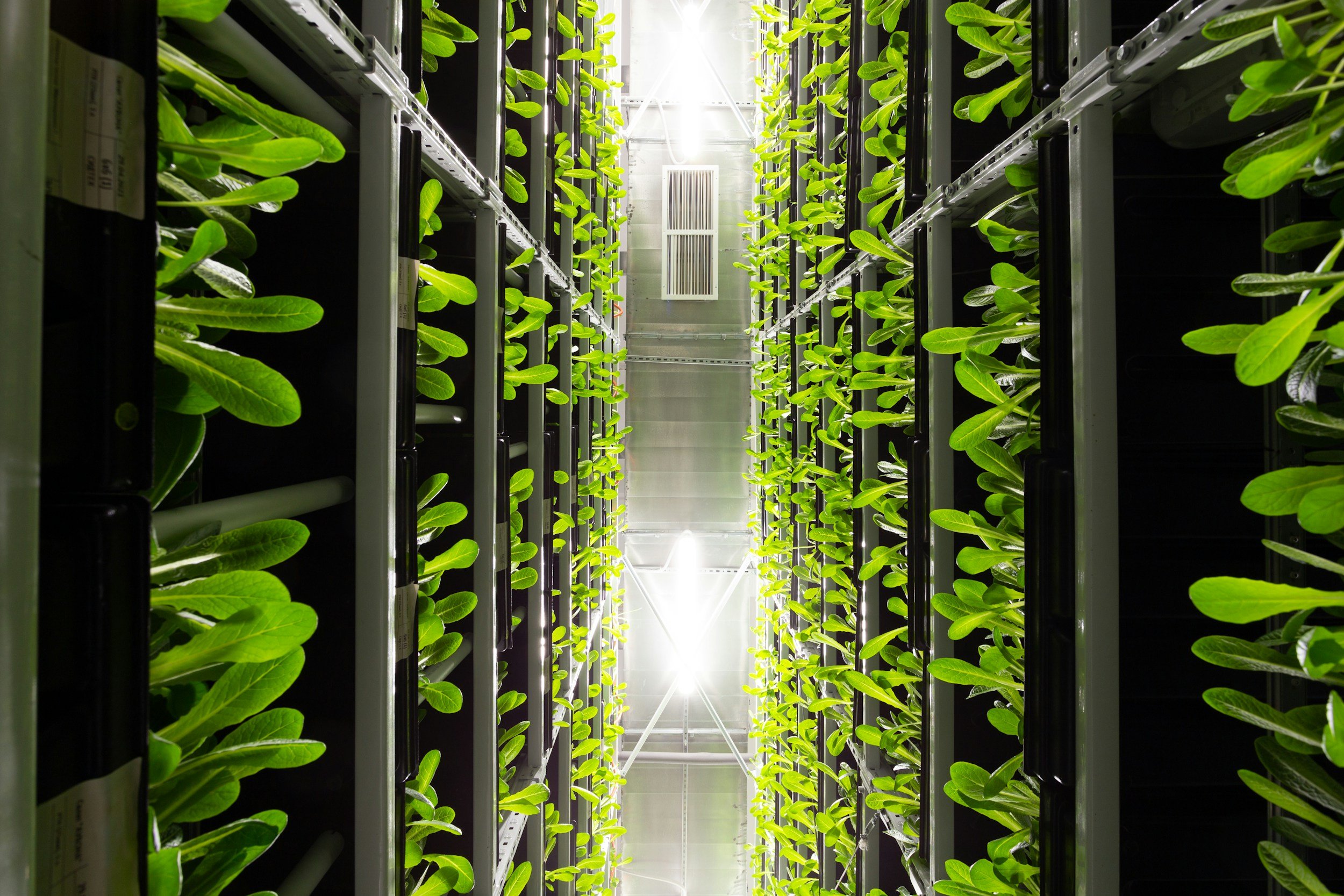
Singapore just opened the world’s tallest indoor vertical farm called Greenphyto. The facility cost $80 million and is over 75 feet tall and occupies 4.94 acres of land. It is fully hydroponic, which optimizes water use and reduces water waste, and uses AI, robotics, and automation to grow leafy greens like lettuce, spinach, and arugula. At full capacity, it can produce up to 2,000 tonnes of vegetables per year. The AI is built into the farm’s day-to-day operations and is essentially a “nervous system” for the crops that learns and improves over time. It is constantly monitoring crop health, growth stages, and environmental conditions inside each chamber. The AI tracks things like germination rates, leaf color, growth speed, and nutrient uptake, then uses that data to predict yields and flag potential problems early, such as yellowing leaves or uneven growth. When there is a problem, the farmers get alerts with suggested causes and fixes, like adjusting light levels, nutrients, or harvest timing. The AI tech also helps fine-tune energy use by controlling custom LED lighting, adjusting brightness based on the crop’s growth stage as opposed to every plant using the same amount of light. This has allowed for 30% energy savings compared to earlier models. Most of the farm runs without people, except for harvesting, and the produce is already sold in over 100 supermarkets locally in Singapore. Producing crops locally avoids much of the carbon emissions produced during transportation of the goods.
There are currently several patents on the technology used in the farm with the goal of selling it and duplicating it around the world and expanding to other industries. Founder Susan Chong says she is focusing on good-quality, affordable vegetables, not just flashy technology.
10 EUROPEAN NATIONS ARE JOINING TOGETHER TO PLOT A MASSIVE OFFSHORE WIND BUILDOUT
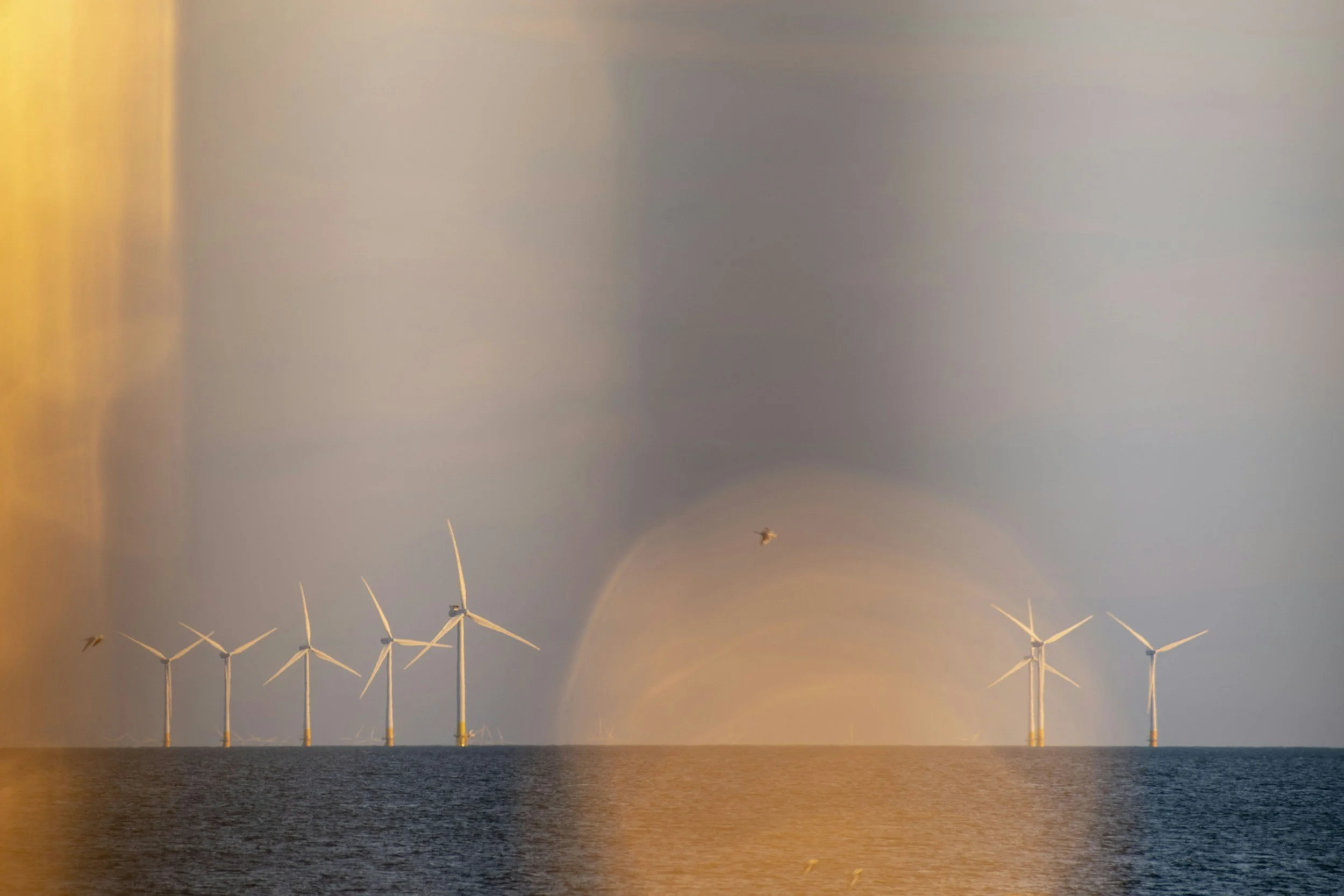
Ten European countries have agreed to work together on a massive offshore wind buildout in the North Sea that will involve installing 100 gigawatts of capacity through joint projects and up to 300 gigawatts total, enough to power nearly 150 million homes by 2050. Leaders from Belgium, Denmark, France, Germany, Iceland, Ireland, Luxembourg, the Netherlands, Norway, and the United Kingdom signed the Hamburg Declaration this week. The goal is to boost energy security, cut dependence on expensive fossil fuels, and strengthen Europe’s struggling offshore wind industry after years of high costs and delays. Currently, Europe continues to deal with energy shocks from Russia’s invasion of Ukraine and limited alternatives like nuclear and solar, making the windy North Sea one of the best options for large-scale clean power.
The plan won’t necessarily be easy to pull off due to political and regulatory challenges, uneven electricity prices between countries, grid connection limits, and the high cost of offshore wind. Norway, for example, may contribute fewer turbines due to deep waters and domestic backlash over exporting power, while countries like Ireland need new transmission links to unlock offshore potential. The good news is the agreement has strong industry backing. At least 100 companies signed onto an accompanying industry declaration in which they promised to cut the costs of offshore wind installations and hire upward of 91,000 workers. The countries say the effort is less about symbolism and more about securing affordable, reliable power and keeping Europe competitive in clean energy.
MORE IN SUSTAINABILITY NEWS
This Brooklyn bagel shop is saving money with plug-in batteries.
Things to know about the High Seas Treaty as it takes effect.
Tesla launches its own solar panel, being built in Buffalo, New York.
New Jersey’s new governor freezes electricity prices during inauguration speech.
NYC’s Department of Consumer and Worker Protection (DCWP) is suing Radiant Solar for $20 million in a landmark lawsuit.
Interesting read: Is snowmaking climate change maladaptation?
Traditional concrete, a major hidden cost of carbon emissions in the data center surge, has tech companies turning to green concrete.
Europe’s ‘mother of all deals’ with India, the world’s second-largest market and the most populous nation, keeps the EU’s carbon tariff intact. The EU’s carbon border adjustment mechanism is the first major tariff in the world based on the carbon intensity of imports, which went into effect this month.
New York Gov. Kathy Hochul could be considering a change to the way greenhouse gas emissions are calculated that would put the state closer to its 2030 goals.
Tesla announced they are expanding to trucking and heavy-duty electric vehicle charging as they signed a deal on Tuesday with Pilot Travel Centers, the largest operator of highway pit stops in the United States.
In need of a new winter coat? Here is a list of over 60 outdoor brands that stepped in to help National Parks when they were under attack last year.
The Department of the Interior has ordered staff at the National Park Service to remove or edit signs and other informational materials in at least 17 parks out West to scrub mentions of climate change or hardship inflicted by settlers on Native Americans.
A federal judge has overturned Trump’s order halting construction of the Vineyard Wind Project off Massachusetts, which was already 95% complete, making it the 4th offshore wind farm that has won preliminary injunctions against Trump’s freeze on the industry.
The U.S. officially exits the Paris climate agreement, a year after President Donald Trump set the course for departure for a second time.