

Fridays are for…
Sustainable Gift Guides, COP31, Earthshot Prizes, and more!
by Alli DiGiacomo
Happy Friday! This week we look at ongoing COP31 updates and inspiring projects from the 2026 Earthshot Prizes.
The holidays are approaching! Need gift inspo? Check out these gift guides:
Keep reading for this week’s sustainability news…
T H I S W E E K ’ S T O P S T O R I E S
2026 EARTHSHOT PRIZE WINNERS ARE ANNOUNCED
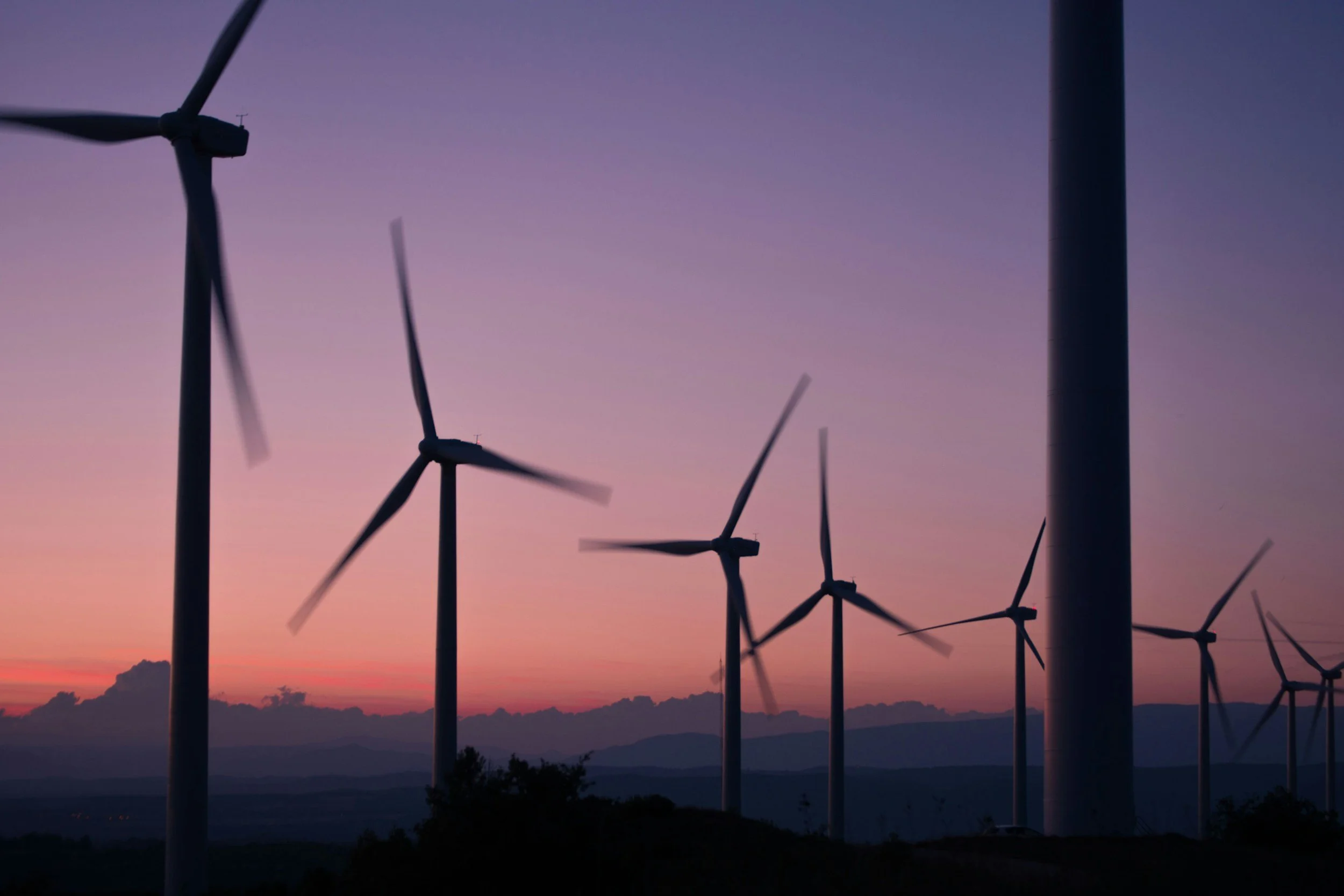
The 2026 Earthshot Prize announced its five winners in Mumbai this week, awarding £1 million each to environmental projects and organizations to scale their solutions to the world's biggest environmental challenges. This year's winners are Bhutan for protecting and restoring nature, Mahindra Last Mile Mobility for expanding electric transportation, Niue Ocean Wide Trust for ocean conservation, PFAS-Free France for tackling harmful chemicals, and Ørsted for advancing the clean-energy transition. The projects range from community-led conservation and electric three-wheelers to reducing PFAS pollution and expanding renewable energy.
The Earthshot Prize was established to “identify and support environmental solutions that can be scaled up and have a meaningful impact beyond their immediate communities.” On top of the prize money, winners get access to a network of businesses, investors, experts and partners intended to help expand their work. This years range of winners is a good reminder that environmental innovations aren't limited to just new technology. Solutions are happening in policies, business transformations, community leadership and changing how existing industries operate.
UPDATES FROM COP31 THIS WEEK

In the second week of the COP31 climate summit in Antalya, Turkey, there has been major disagreements over fossil fuels and climate financing. Negotiators and countries are struggling to agree as the conference is ending soon. A revised draft of the final agreement removed explicit references to transitioning away from fossil fuels, such as proposals to phase out their use, which is understandably causing criticism from climate advocates and several countries. Negotiators are also debating adaptation financing for developing countries, with a proposed $120 billion annual target reportedly removed from the latest draft. There is a continued divide between countries pushing for stronger climate commitments and those reluctant to agree to more specific obligations.
On a more positive note, several new initiatives and commitments were announced throughout the conference. A voluntary global initiative has the goal of increasing electricity's share of global energy consumption to 35% by 2035, and over 50 countries backed an initiative to expand geothermal energy. Other campaigns about building efficiency, electrification, urban resilience and climate finance also continued. The conference has acknowledged the likelihood that global warming will exceed the 1.5°C threshold, but as of November 20th, negotiations are still ongoing, meaning the final outcome has not yet been settled.
ARE NEW MAGENTA SOLAR PANELS THE FUTURE OF FARMING?
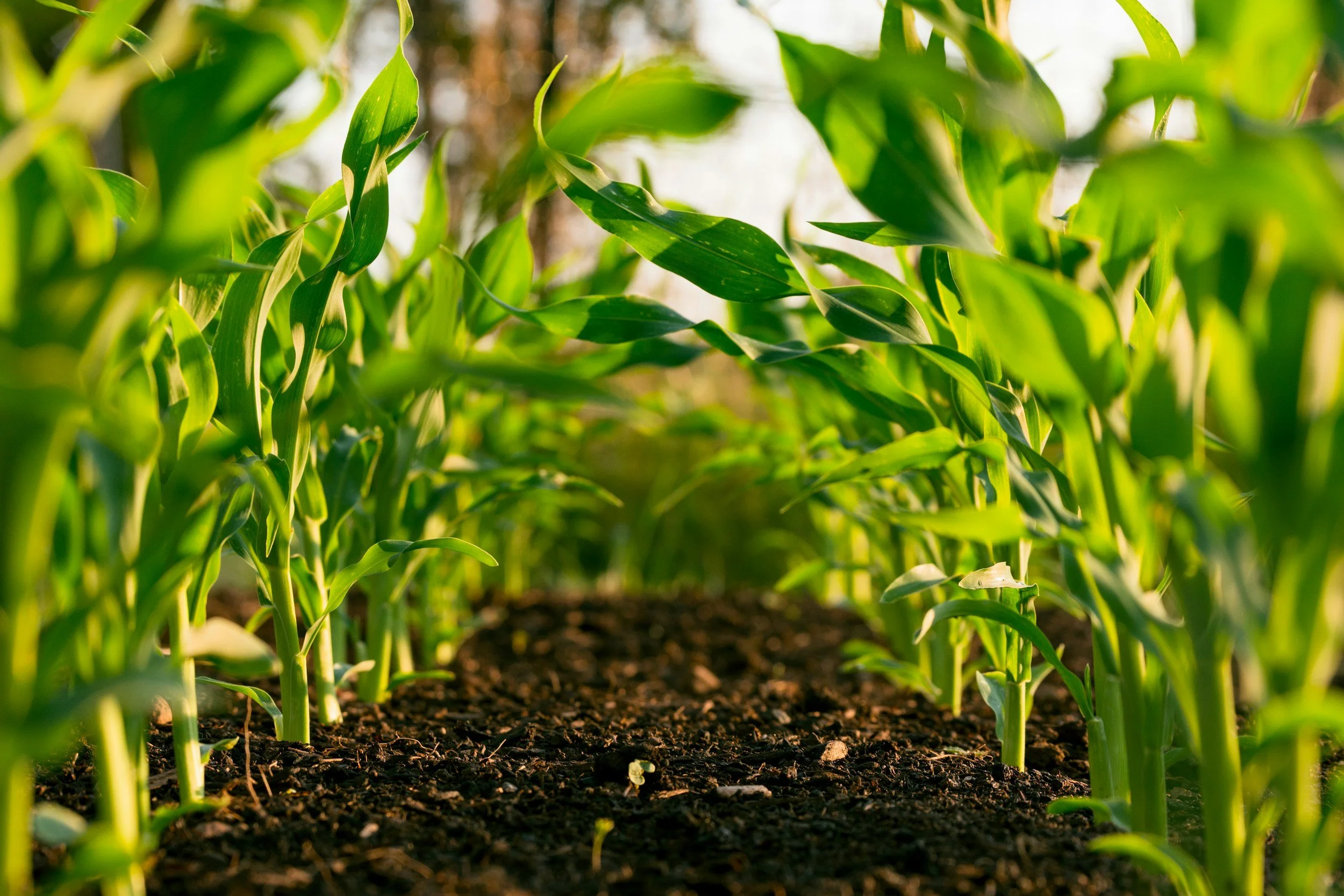
With the rapidly growing agrivoltaics field, it's already known that solar panels and farming don't necessarily have to compete for land. Researchers are testing a new type of magenta-colored, semi-transparent solar panel that allows crops to grow underneath while generating electricity above. Unlike normal solar panels, these panels are designed to absorb certain wavelengths of sunlight for electricity while letting red and some blue light pass through, which plants need for photosynthesis. In a recent experiment in Sweden, broccoli was grown beneath the panels and found that the crops produced roughly the same yield as broccoli grown in full sunlight. the broccoli grown under the magenta panels converted sunlight into biomass much more efficiently than unshaded crops, with improvements of ~2.8 to 4.5 times. The panels also provided some shade, helping reduce water stress and creating a more favorable growing environment.
The research is still in its early stages, and the researchers noted, “There is no single agrivoltaic design that will work optimally everywhere,” and “more research is needed to understand how different crops respond to different system configurations and climatic conditions and to design systems that balance agricultural production with renewable electricity generation.”
OTHER SUSTAINABILITY NEWS
Construction is underway in New York on what is expected to be the country’s first floating community solar array.
China’s 19-seat electric airplane completed its first crewed flight.
An elevator, a brick wall and a bathroom: physicists in Australia use gravity to send ‘practically unblockable’ message. The method is extremely slow for now but could eventually enable wireless communication in places where conventional signals cannot penetrate.
Defying court ruling, Trump auctions off 32 million acres of Pacific Ocean seabed to a deep-sea mining company.
The world can manage without the Strait of Hormuz, IEA says, but not the Middle East.
After decades of decline, the world’s largest freshwater lake is recovering. Located in Siberia, Lake Baikal holds around 20% of the world’s surface freshwater, which makes it the largest freshwater lake by volume (Lake Superior in North America is the largest by surface area).
Expanding on a New York pilot program, portable storage company Jackery joins forces with energy aggregator Every Electric to offer a plug-in battery that can earn customers money by sharing power with the grid.
Meta joins the clean materials race.
National Park Service scientists say world’s rarest fish is on the rebound.
Astronomers are pushing for the creation of an AI-powered "supertelescope" that would combine data from the most powerful observatories on Earth and in space.
This battery runs on vitamin B12.
Nanoplastics and climate change have an unexpected enemy: Fiber.
Listen: “Repowering” worn out solar fields could create gigawatts of new grid capacity, quickly.