

Fridays are for…
COP31, Climate Action in Cities, Drinking Water, and more!
by Alli DiGiacomo
Happy Friday! This week we look at what is happening at COP31, the meeting of the Conference of the Parties to the U.N. Framework Convention on Climate Change. There are about 200 countries there, but not the U.S., the world’s largest cumulative emitter of carbon dioxide from fossil fuels, and current second largest annual emitter (behind China). This is no surprise after President Donald Trump formally pulled the U.S. out of the Paris Agreement—again—as well as the body that governs it. Read more about things to know during COP31 here.
Keep reading for this week’s sustainability news…
T H I S W E E K ’ S T O P S T O R I E S
COP31 PUTS BUILDING EFFICIENCY IN THE SPOTLIGHT

Buildings were a huge focus at COP31 in Turkey this week. 23 countries backed the Antalya Compact for Energy Efficient Buildings. The goal of the initiative is to reduce the operational energy intensity of buildings around the world by at least 25% by 2035, compared with 2020 levels. It focuses on six main areas, including improving building performance, accelerating renovations, electrifying heating and cooling systems, and securing the financing needed to make these changes happen. The focus makes sense because buildings account for ~40% of global energy-related carbon emissions, so improving how they are designed, operated and renovated will be a big part of meeting climate goals.
COP31 also recognized nine buildings from around the world that are already showing what these improvements can look like in practice. One was a university building in Ireland that achieved 40.5% in verified energy savings, and another was a garment factory in Bangladesh that reduced its operational carbon emissions by 78%, showing how more efficient design and building operations can make a difference. The challenge now is taking these strategies beyond individual projects and making them standard practice across the building industry.
NEW REPORT SHOWS CITIES ARE MOVING FASTER THAN NATIONAL GOVERNMENTS ON CLIMATE ACTION
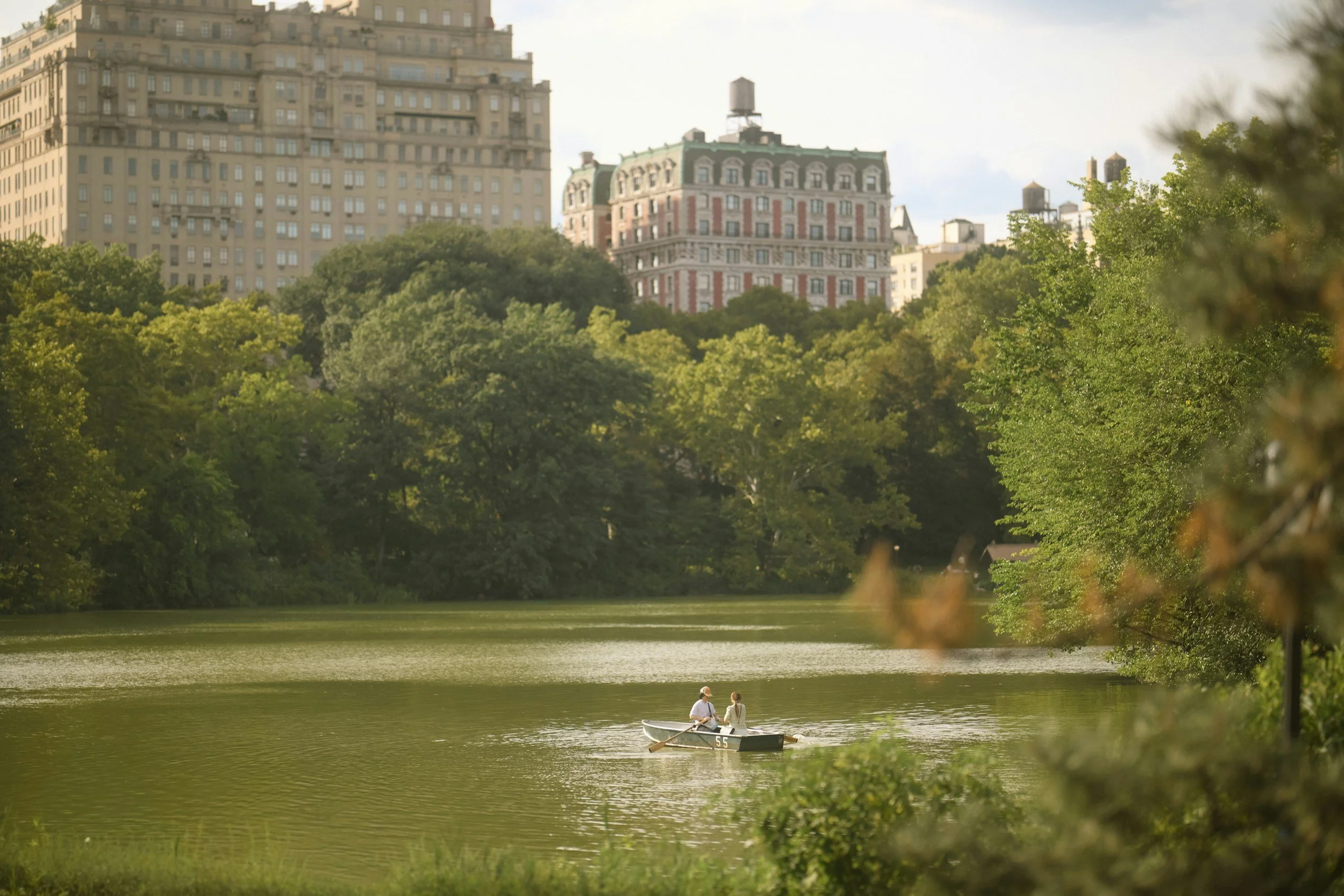
A new report from the Global Covenant of Mayors for Climate and Energy is about the growing role cities are playing in the overall global climate response. The organization's 2026 Impact Report found that 58% of its participating cities and local governments (over 8,000 communities) have set emissions-reduction targets that are more ambitious than those of their national governments, and another 28% plan to reach their targets sooner. The network now includes more than 14,000 cities and local governments across 150 countries, representing roughly one in seven people worldwide. This is familiar to us New Yorkers, where our local laws are often more stringent than NY State or deferral regulations, such as Local Law 97.
The report also looks at how these cities are actually turning those commitments into action. 7,500 participating communities have climate action plans in place, and more than 220,000 emissions-reduction measures have been reported. All these local efforts put together have the potential to reduce annual greenhouse gas emissions by 4.8 billion metric tons of CO₂ equivalent by 2050. Let this be a reminder that climate progress isn't happening only through national policies and international agreements. Local governments have a major role to play through decisions about transportation, buildings, energy, waste and infrastructure, and in many cases, they're moving ahead even when national action falls short.
WILDFIRES CAN CONTAMINATE DRINKING WATER FOR OVER A DECADE
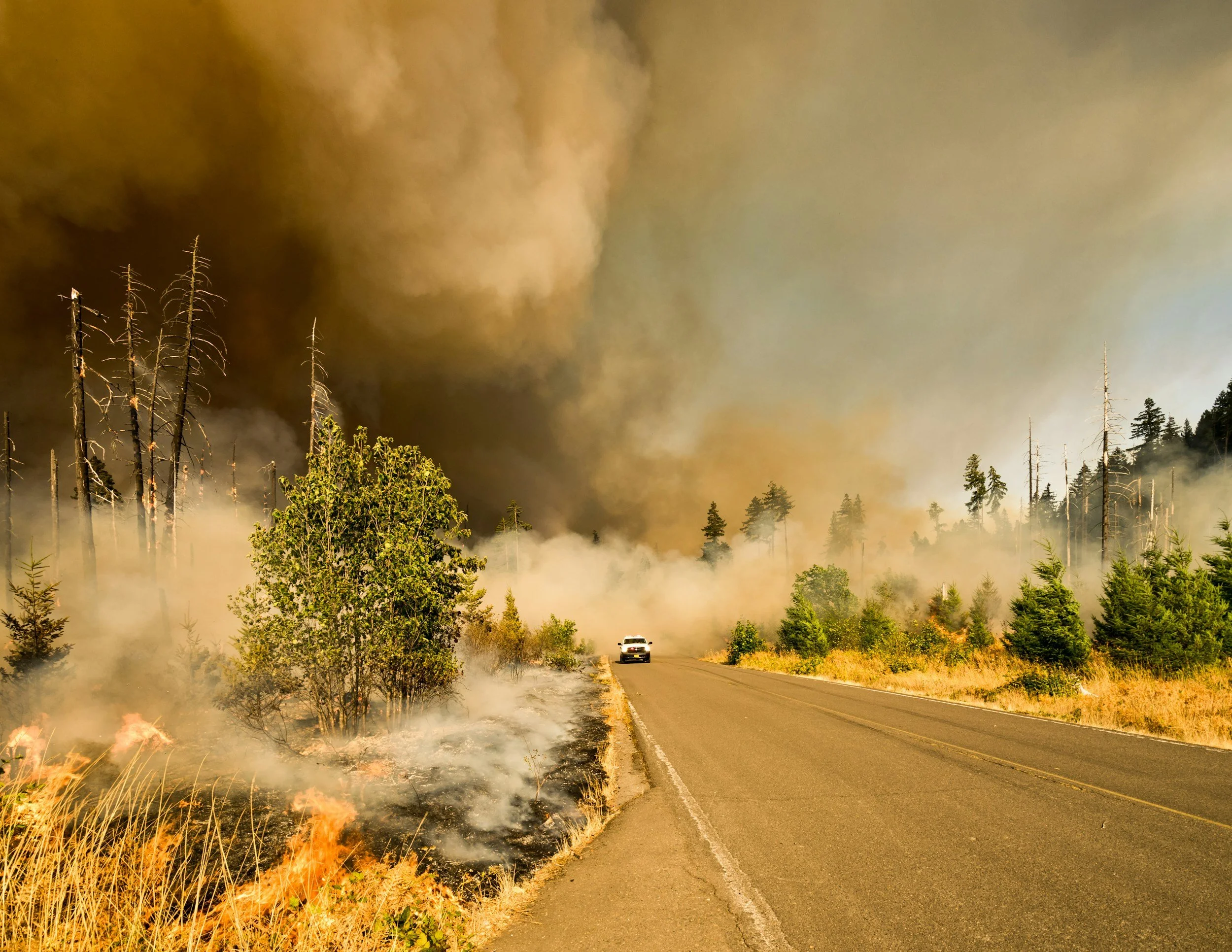
Wildfires not only just destroy forests and homes but their impacts can continue long after the flames are gone, including impacts on drinking water. A new Associated Press report looks at how rain and flooding can wash ash, soil, sediment and toxic metals from burned landscapes into nearby rivers and reservoirs. This runoff can overwhelm water-treatment systems, cause harmful algal blooms and create harmful byproducts when organic matter reacts with chlorine during treatment. Water-quality impacts and contamination can last up to eight-ten years after a fire.
The problem is becoming more serious because climate change and drought contribute to larger and more frequent wildfires, putting communities that depend on forested watersheds at more risk. In Las Vegas, New Mexico, the 2022 Hermit's Peak/Calf Canyon Fire contaminated the Gallinas River and disrupted the city's water supply. The state and federal governments committed $148 million toward a new treatment plant and other water-supply options. It's a good example of how climate-related disasters can create expensive, long-term infrastructure challenges, not just immediate emergency response needs. Protecting watersheds and planning for more resilient water systems are only getting more important.
OTHER SUSTAINABILITY NEWS
The CO2-absorbing building made of old sinks, windscreens and toilets: Ghent’s £17m design museum is a green marvel.
El Niño will push temperatures above 1.5 degrees C. Will we ever come back down?
The COP31 Antalya Governorship Pavilion is shaped like a loggerhead sea turtle, inspired by the Mediterranean’s rich natural heritage.
As temperatures drop and the price of heating oil remains near a record high, all six New England governors send a joint letter to Congress asking for an additional $3 billion in federal home heating aid.
New Mexico is years ahead of schedule on its clean energy transition.
The UN Food and Agriculture Organization hosted the first Global Pollinator Conference from Nov. 5-6, laying the groundwork for a worldwide effort to protect bees, butterflies and other pollinators.
The world’s largest wildlife crossing just had its first animal visitor, weeks before it officially opens.
New York electric utilities, including Con Edison, push a plan that would allow them to collectively develop and own up to 1 GW of renewable energy projects annually.
New York announces 10 companies that are in the running to build a new nuclear facility in the state.
United Nations Secretary-General António Guterres calls for additional taxes on fossil fuel company profits that have surged as the Iran war drives up fossil fuel prices.
22 out of 27 ballot measures supporting public transit passed in the latest “affordability” election.
The cozy radicalism of repair cafés.