

Fridays are for…
Asphalt, NYSERDA, Alternative Fuels, and more!
by Alli DiGiacomo
Happy Friday! Don’t forget there are a handful of pumpkin smash events happening locally this weekend, so save your pumpkins for those or put them in your compost! This week we look at different methods of circularity, from recycling materials to alternative fuels. This is ahead of COP31 starting next week from November 9th-20th in Turkey. COP (Conference of the Parties) is the highest-level global climate summit held annually under the United Nations Framework Convention on Climate Change (UNFCCC), which was adopted in 1992. More on this in the coming weeks!
Keep reading for this week’s sustainability news…
T H I S W E E K ’ S T O P S T O R I E S
NYC TESTS NEW ASPHALT MADE WITH UP TO 96% RECYCLED MATERIALS
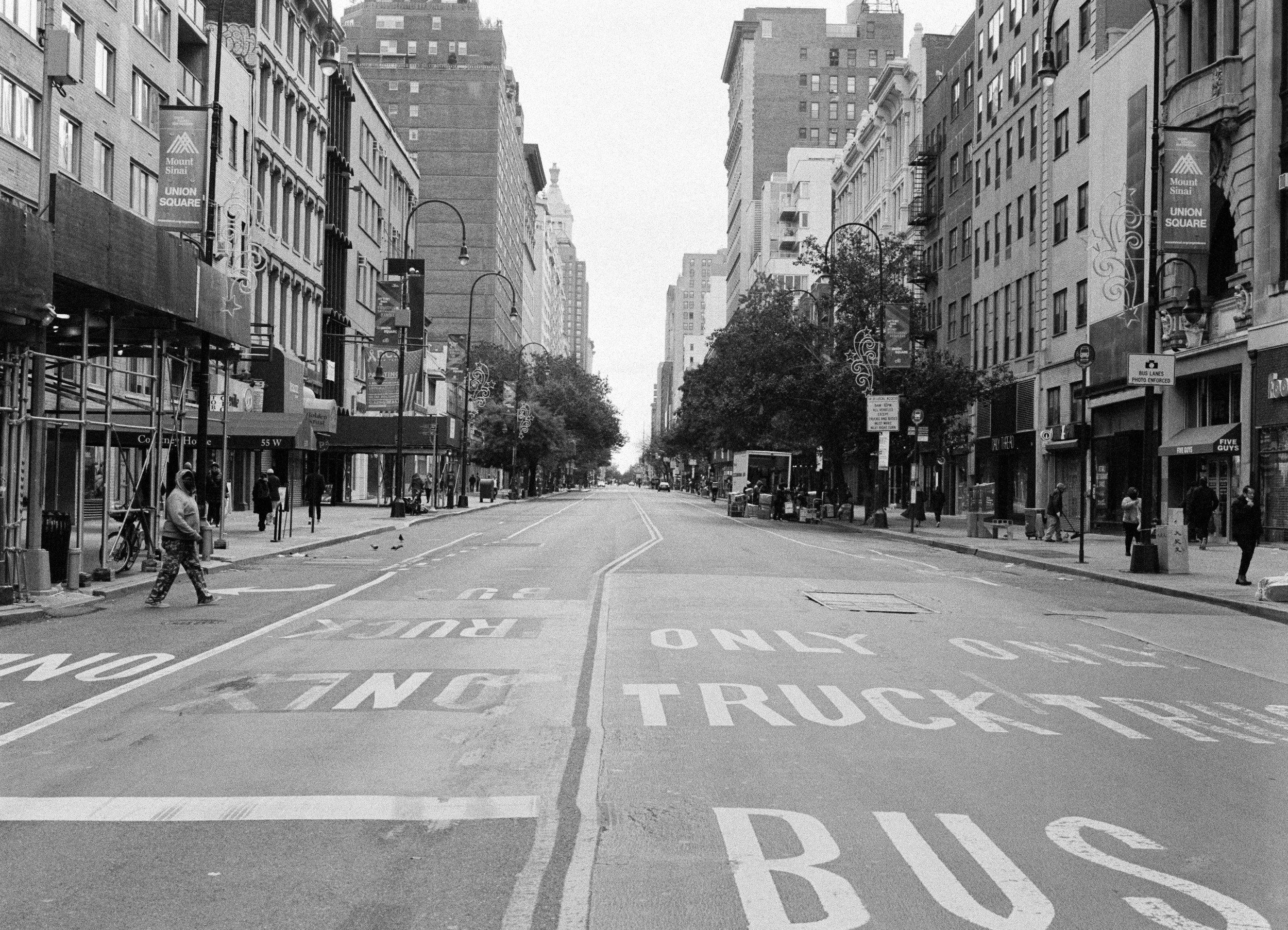
The NYC Department of Transportation is testing two new asphalt mixtures on Fordham Road in the Bronx that incorporate recycled materials to reduce construction waste and emissions. One mixture contains up to 96% recycled material, including steel slag, a byproduct of steel manufacturing. The second has recycled plastic to replace the asphalt binder as an alternative to virgin polymers. It is using the equivalent of more than 1.9 million plastic bottles. NYC DOT estimates that the plastic-based asphalt used in this project will avoid approximately 56.6 metric tons of CO₂ emissions compared with conventional materials (equivalent to the emissions generated by 144,135 miles driven by an average gasoline-powered passenger vehicle).
The project is a good example of circular construction and finding ways to turn industrial and consumer waste into useful building materials rather than sending them to landfills. NYC already currently produces asphalt containing an average of 40% recycled material at its two municipal asphalt plants, so these new trials could help increase the recycled-content construction materials even more. The city will monitor how the mixtures perform under everyday traffic and NYC's changing weather conditions to determine whether they can be used more widely. The Fordham Road bus lane project is part of Mayor Mamdani’s Next Stop: Fast Buses, Better Service plan to make bus trips faster, more comfortable, and more reliable.
NYSERDA MAKES $27 MILLION AVAILABLE FOR ALTERNATIVE FUEL PROJECTS
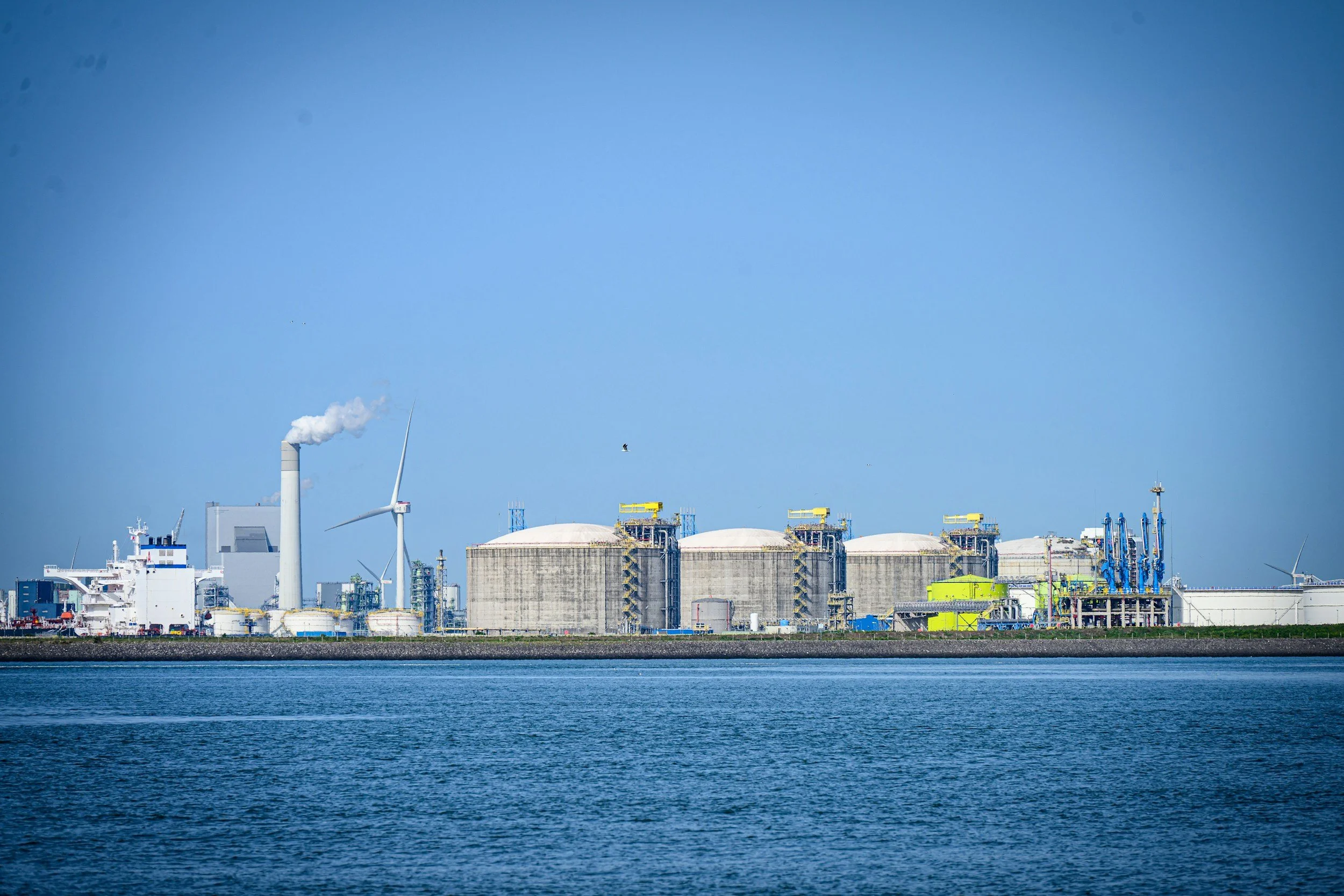
New York State is making $27 million available through NYSERDA (New York State Energy Research and Development Authority) for the development of alternative fuels such as sustainable aviation fuel, renewable natural gas, renewable diesel, and low-carbon methanol. The intention of this funding is to reduce emissions in industries that are difficult to electrify, like aviation, heavy-duty transportation, shipping, and rail. Before the new funding, ~$10 million was already awarded to five projects across the state. One project will receive over $4 million to build a pilot facility at Noblehurst Farms in Pavilion, NY, that converts waste biogas into sustainable aviation fuel. Locally, there are two projects that involve developing a hydrogen-powered cargo vessel for New York waterways and a barge system to transport hydrogen to the Brooklyn Navy Yard.
Investing in exploring how waste products can become alternative energy sources is an important part of decarbonizing transportation, which is a priority in New York. Electrification is still a critical part of this, but certain industries are harder than others to transition away from fossil fuels and we also can’t forget about making better use of locally available resources and waste streams.
UN REPORT FINDS ECOSYSTEM RESTORATION IS HAPPENING AT AN UNPRECEDENTED SCALE

A new United Nations report released during October's biodiversity conference in Armenia found that ~252 million hectares of land, freshwater, and marine ecosystems across 149 countries are currently undergoing restoration. The combined area is the largest documented global restoration effort to date, and these projects are also simultaneously supporting more than one million green jobs. Unfortunately, despite this progress, the world is still falling behind its 2030 restoration goals (as reported last week). The report finds freshwater, marine, and coastal ecosystems as particularly challenging areas that need more attention and investment. Annual restoration financing needs to increase by $64 billion to $296 billion to meet global commitments. Although that is a big number, we can’t forget the economic benefits of restoration. The report estimates that these efforts could generate an additional 32 million jobs by 2030, and ecosystem restoration can provide benefits beyond biodiversity, including flood protection, carbon storage, improved water quality, and stronger local economies. Restoring natural ecosystems is an important part of climate adaptation and resilience, not just conservation.
OTHER SUSTAINABILITY NEWS
The world just experienced its hottest October ever recorded.
A new trial system installed in a New York apartment complex is testing how larger batteries power large buildings. The battery system on a Buffalo apartment complex building will store excess energy when it’s plentiful and power the building when the grid is strained and electricity is costly.
The voters have spoken: No dirty data centers.
Tuesday was a very expensive night for Big Oil (after making $130 billion in profit alone just from the past 6 months of the Iran War!)
The hybrid-electric ferry New York City launched last year is still running entirely on diesel as an electric charging station for the boat hasn’t yet been built.
Water security secret weapon: Grey water.
Glaciers around the world are endangered — but no two are alike.
Plastic pollution is putting an old legal doctrine to a new test.
Why microplastics are so dangerous for human health.
New Jersey is putting 10 MW of community solar on warehouse roofs.
A recently issued permit from the Pennsylvania DEP will allow oil and gas companies to more easily sell their toxic wastewater for de-icing roadways.
The Great Pacific Garbage Patch is changing the color of the ocean.
Crew from NASA's simulated Mars mission emerges after 378 days in isolation.
Is Climate Tech back?
Princeton alumni designed a first-in-the-world device to filter microplastics out of wastewater at scale. Already implemented in Atlantic City, the device mimics hydrophobic plants, which shed water on contact but also attract microplastic particles.