

Fridays are for…
Sustainability at the NYC Marathon, Water Infrastructure Improvements, and more!
by Alli DiGiacomo
Happy Friday! The last few days of October bring many exciting celebrations! Check out a Sustainable Halloween Guide here, and don’t forget to save your pumpkins for composting or the famous annual Pumpkin Smash next weekend!
Also happening this weekend is the 50th NYC Marathon. With the goal of being Net Zero by 2040, New York Road Runners (NYRR) works hard to make one of NYC’s most inspiring and busy days of the year as sustainable as possible. In terms of waste, all Gatorade and water cups are composted at McEnroe Farms in Upstate New York (~108 tons of composted diverted in 2025), leftover food is donated to City Harvest, and a team of volunteers collects discarded waste from runners to be recycled (~153 tons of materials were recycled in 2025). The official race shirts are made from 100% recycled polyester, and the discarded runner clothing at the start in Staten Island is donated to a local organization called All of Us Clothing (~123,000 lbs was donated in 2025). Read more about their other sustainability initiatives, including reusable water cups and refill stations, carbon offsets, and electric vehicles, here.
Keep reading for this week’s sustainability news…
T H I S W E E K ’ S T O P S T O R I E S
GREENBUILD 2026 BRINGS SUSTAINABLE DESIGN PROFESSIONALS TO NYC
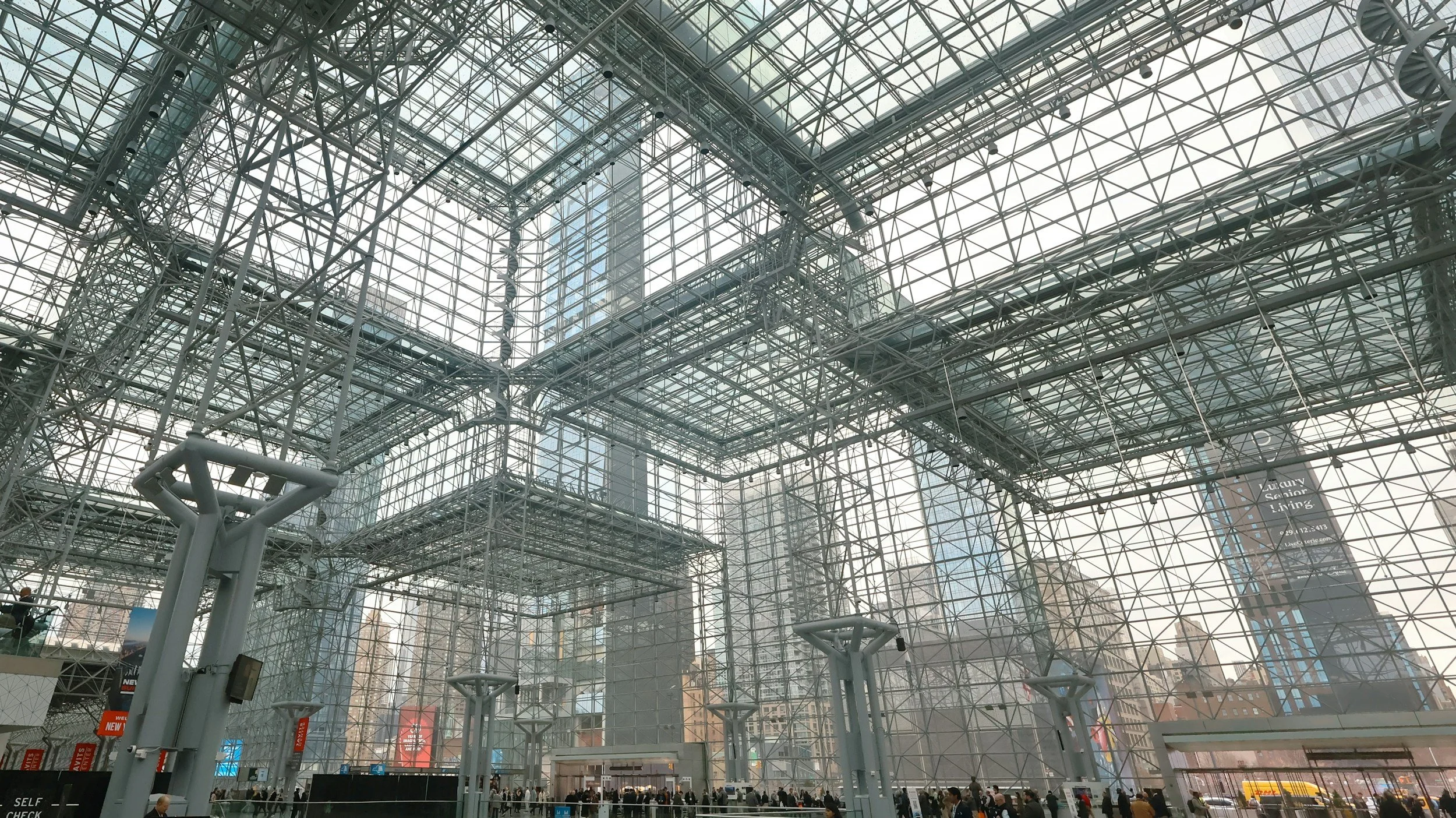
The Greenbuild International Conference + Expo came to NYC last week for the first time from October 20–23 at the Javits Center. This year's theme was "Invest for Impact," focused on how the building industry can move beyond sustainability commitments and put more emphasis on decarbonization, climate resilience, healthier buildings, and regenerative design. The conference has over 10,000 attendees, 250 exhibiting companies, and 150 sessions. The Javits Center itself was a fitting host with a 6.75-acre green roof (the largest in New York State) that provides bird habitat to over 65 species. It supports urban biodiversity and pollination, includes a rooftop farm that grows food for use in the building and donated locally, and absorbs ~7 million gallons of stormwater runoff annually.
One of the major themes was circularity and how the industry can move away from the traditional "take, make, waste" approach to construction. Instead of treating buildings as disposable structures, circular design looks at how materials can be reused, repurposed, and kept in circulation for as long as possible. This includes designing for deconstruction, meaning planning buildings so that components can be taken apart and salvaged rather than demolished and sent to a landfill. In NYC, construction and demolition waste accounts for more than 60% of the city's solid waste stream. NYCEDC recently launched a pilot Circular Construction Hub at MADE Bush Terminal in Brooklyn to help collect, store, track, and redistribute salvaged building materials so they can find a second life in other projects. Another resource is ORBIT, an online marketplace and database for the circular construction sector where you can shop and sell by material. One of the highlights of the Expo was the Mindful Materials Pavilion, which showcased circular design through furniture and products made from reclaimed and reused materials.
NEW YORK APPROVES $200 MILLION FOR WATER INFRASTRUCTURE IMPROVEMENTS
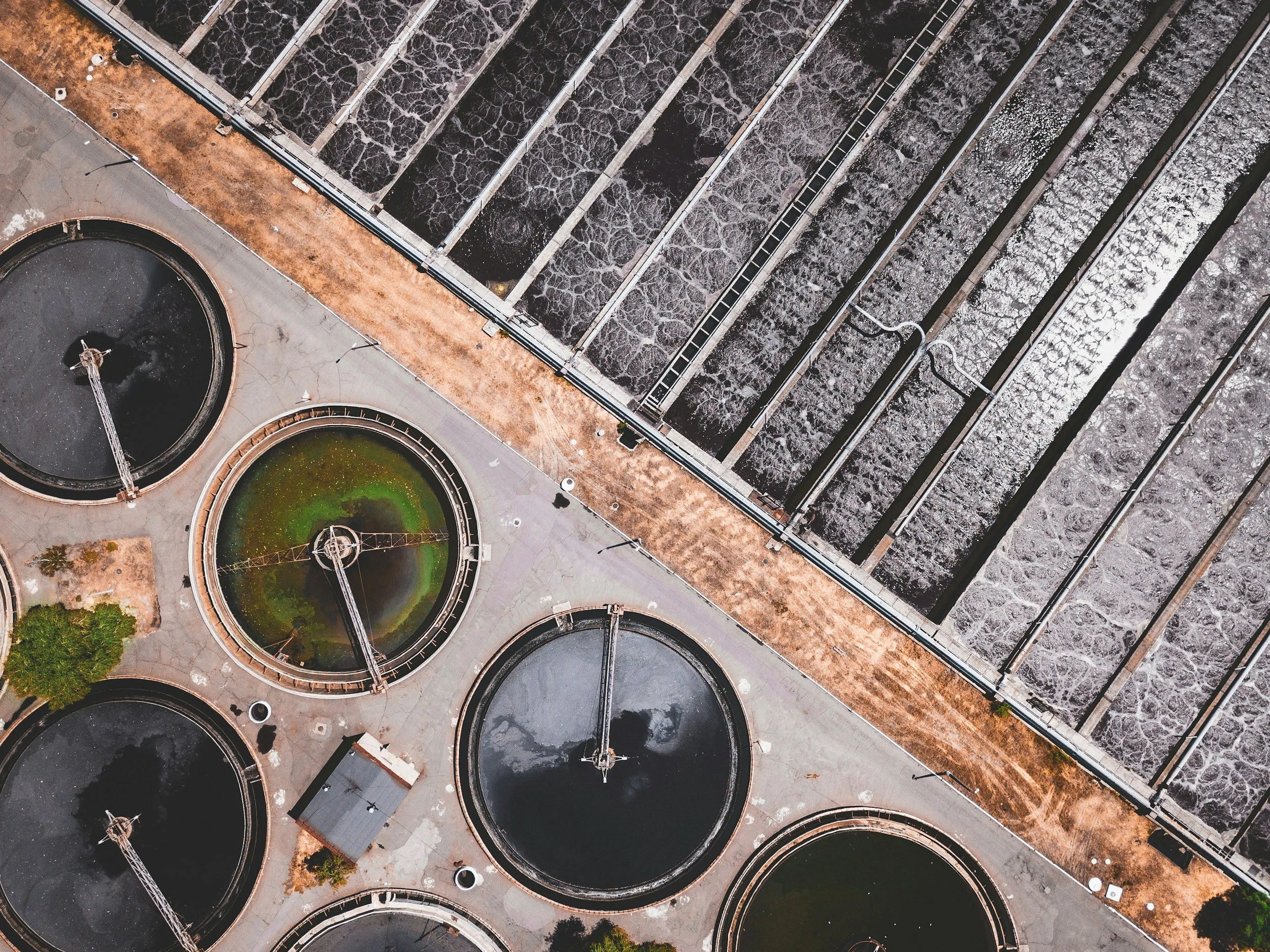
New York State has approved $200 million in financing and grants for 20 drinking water, wastewater, and stormwater infrastructure projects. The funding will help cities upgrade aging water systems, improve drinking water quality, replace lead pipes, and address stormwater management. The largest allocation is $72.4 million for the Rye Lake Water Filtration Plant, which will serve ~120,000 residents in Westchester County. Other bigger investments include $12.2 million for Gloversville and $13.2 million for Herkimer to replace a combined 3,478 lead service lines, as well as $16.1 million for Syracuse to separate sanitary and storm sewers in two neighborhoods. More frequent and intense rainfall puts additional pressure on aging sewer systems and increases the risk of flooding and combined sewer overflows. We see this basically every time it rains in NYC. Water infrastructure is a huge part of climate resilience, public health, and preparing communities for the current and future changing environmental conditions.
UN BIODIVERSITY CONFERENCE HIGHLIGHTS MAJOR GAPS IN GLOBAL CONSERVATION GOALS
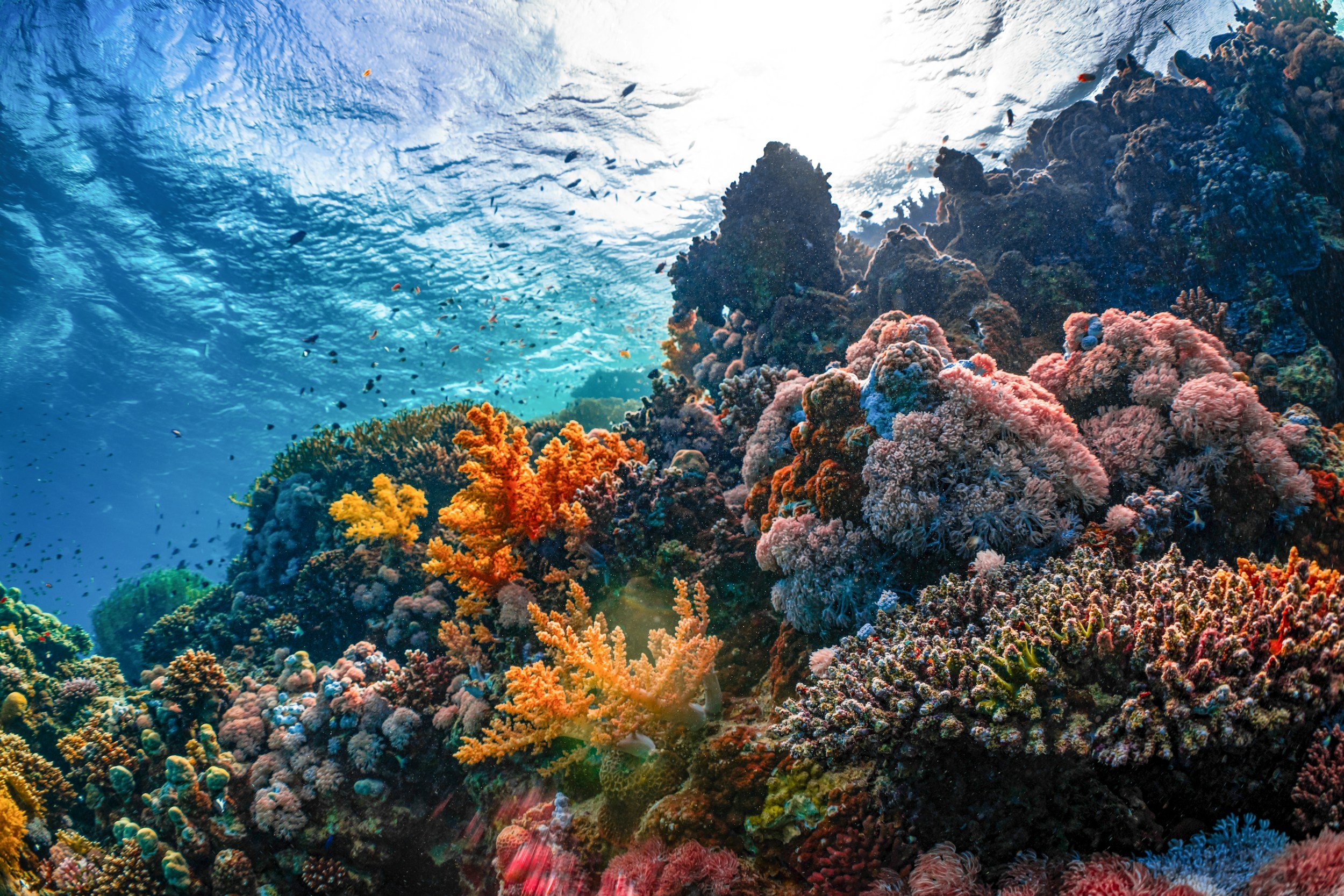
World leaders and environmental experts met starting October 19th in Yerevan, Armenia, for the UN's 17th Biodiversity Conference (COP17). The conference reviewed progress on the 2022 Kunming-Montreal Global Biodiversity Framework, which established 23 targets to halt and reverse biodiversity loss by 2030. One of its major commitments, the "30 by 30" goal, calls for protecting at least 30% of the world's land and oceans by 2030. The bad news is that countries are falling behind, with 22 of the 23 global targets currently off track. A major challenge discussed at the conference is funding: governments are being asked to mobilize $200 billion annually for biodiversity by 2030, while an estimated $500 billion in government subsidies continues to support activities harmful to nature. It was discussed to redirect these funds toward conservation and ecosystem restoration.
Biodiversity loss is not just a wildlife issue. Healthy ecosystems are essential to clean water, food production, climate resilience, and human health. Protecting nature will also require industries like architecture and construction to think more carefully about land use, material sourcing, habitat preservation, and the environmental impacts of development.
OTHER SUSTAINABILITY NEWS
Climate is on the ballot, even if it’s not in candidates’ campaign messages.
Pennsylvania awarded a new $37 million round of federal EV charger funding for companies and local governments to build 515 new charging stations in the Philadelphia area.
Climate activists launched floating gardens in a British harbor, creating “a wildlife corridor in a city.” Beyond bringing green space to an urban center, the floating gardens create wildlife habitats, absorb floodwaters, and cool down the city amid record-high temperatures.
Meta agrees to buy 200,000 tons of low-carbon cement from Fortera.
The world is crumbling in ‘The History of Concrete’.
As extreme heat worsens, renters are gaining a ‘right to cooling’.
A German startup called Magnotherm is testing a cooling system that uses magnets, water, and metal alloys instead of refrigerants. Magnetic cooling could offer a new alternative to conventional refrigeration technology.
Battery storage is now cheaper than open-cycle gas in 43 markets globally.
Less is more. So why does more feel greener? 9 studies probe the “sustainable additive bias”.
New York’s attorney general will appeal two federal court rulings that struck down the state’s climate superfund law, which would force fossil fuel companies to pay for climate change-related damages.