
Sustainability Weekly

Fridays are for…
Climate Accountability Lawsuits, Carbon Capturing, NYC’s Waste, and more!
by Alli DiGiacomo
Happy Friday! Happening this weekend is Open House New York, which is an annual event that gives the public access to architecturally, historically, and culturally significant buildings and spaces across the city. Also, next week CTA is headed to Greenbuild, the annual green building expo held by the U.S. Green Building Council (USGBC), the organization that developed and administers the LEED green building certification system.
Keep reading for this week’s sustainability news…
T H I S W E E K ’ S T O P S T O R I E S
NEW YORK’S WASTE PROBLEM
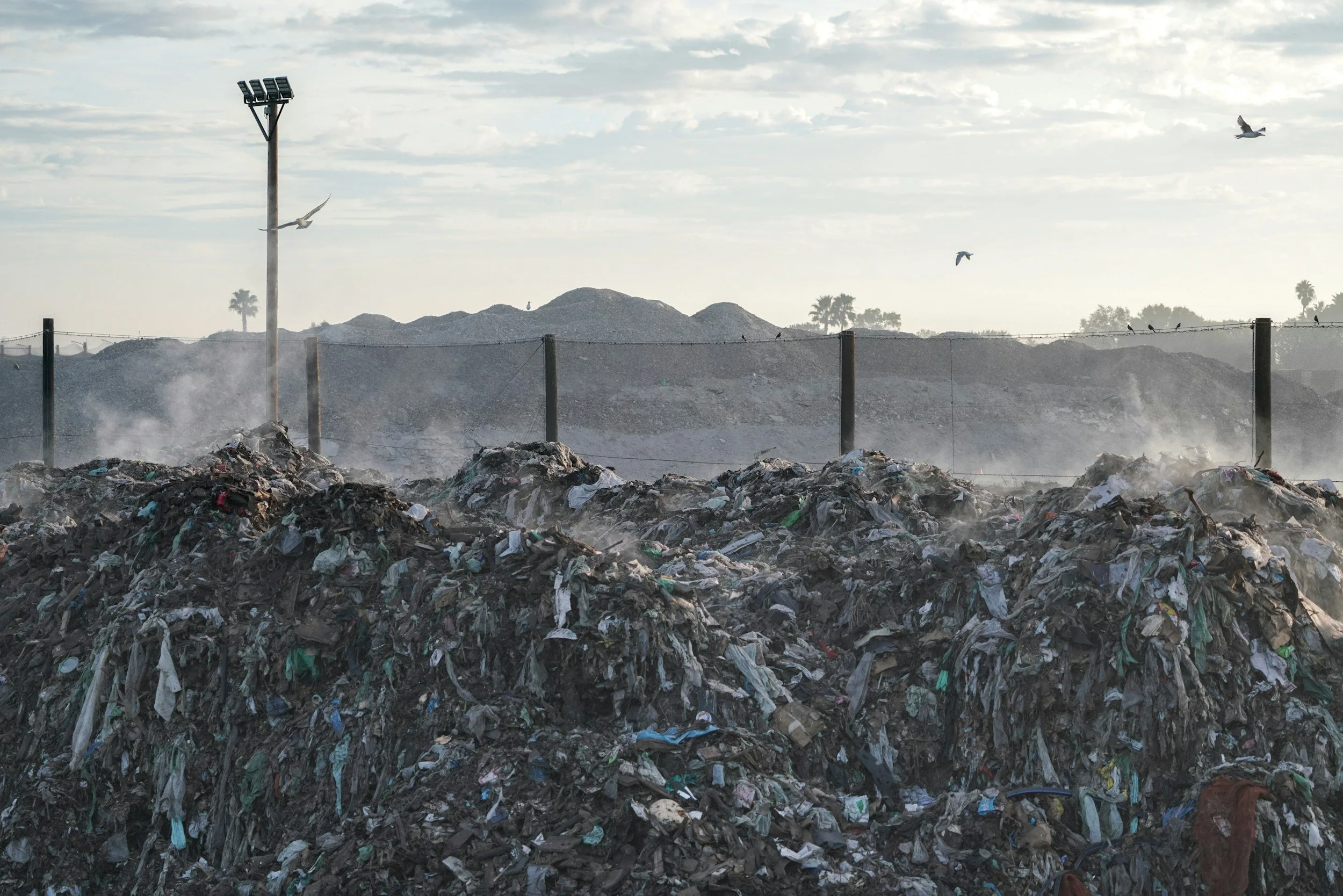
NYC is running out of places to send its garbage, and the problem is starting to affect communities hundreds of miles away. Over two-thirds of NYC’s municipal waste is transported to landfills far from the city, and it’s currently estimated that New York State could run out of landfill capacity within 16 to 25 years. One of the major destinations is Seneca Meadows (in the Finger Lakes region), the state’s largest landfill, where NYC trash accounts for ~20% of waste received there. The landfill is trying to expand its height by ~70 feet, which could extend its operating life by 15 years. Local residents are pushing back because they don’t want odors and are concerned about methane emissions and potential groundwater contamination. It is true that landfills can create both environmental and health problems, as well as the diesel trucks hauling trash contribute to air pollution.
This is one of the many reasons why recycling and composting properly are so important! NYC found that 73% of the city’s trash could be diverted from landfills through recycling and composting, yet only about 20% was diverted in fiscal year 2023. This is because New Yorkers throw away roughly two-thirds of recyclable plastic, metal, and glass, and about a third of the city’s waste is compostable. The city restarted its mandatory composting program in 2026, and we all have a role to play in keeping waste out of landfills. Sorting our waste correctly, recycling accepted materials, composting food scraps, and reducing what we throw away can help extend landfill capacity, cut pollution, and prevent other communities from bearing the environmental burden of NYC’s trash.
CLIMATE DAMAGE RESPONSIBILITY IS IN THE SUPREME COURT
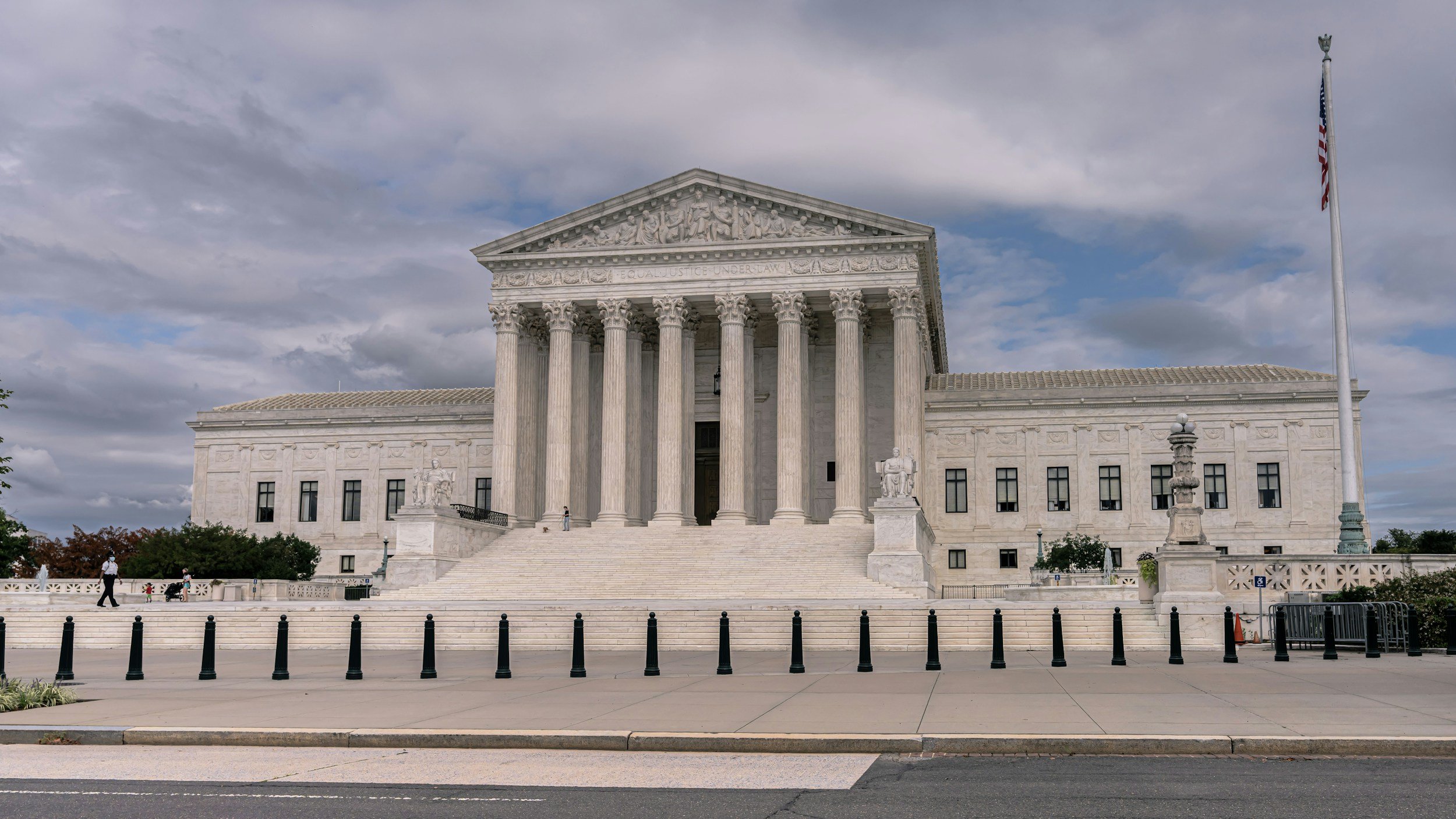
The U.S. Supreme Court heard oral arguments on October 5, 2026, in Suncor Energy v. Boulder County, a major climate liability case where Boulder, CO sued ExxonMobil/Suncor Energy in 2018. Boulder County claimed that the companies contributed to climate change while misleading the public about the risks of fossil fuels, and the companies should help cover local costs associated with climate impacts, including damage from wildfires and flooding. ExxonMobil and Suncor argue that climate change is a federal issue because greenhouse gas emissions cross state and national borders, so the lawsuit should not proceed under state law. The Supreme Court has not yet ruled, but its decision could affect dozens of similar climate lawsuits around the country. Currently the justices are deciding whether the case can move forward, not whether the companies are legally responsible for the alleged damages.
Separately but related, a new report published October 7 looks at new evidence in a Massachusetts lawsuit against ExxonMobil. The documents and testimony are related to what the company knew about climate change and how it presented climate solutions to the public. The report adds to the allegations that ExxonMobil understood the risks associated with fossil fuels while publicly downplaying them. Unlike the Boulder case that is currently at the Supreme Court over whether it can proceed, the Massachusetts lawsuit is a separate lawsuit focused on climate deception. Both cases are related and are examples of local/state governments attempting to hold fossil fuel companies accountable for the costs of climate change.
GOOGLE IS REINVESTING INTO CARBON REMOVAL

Google is investing $11.7 million in a new carbon removal deal to help remove 20,932 tons of CO₂ from the atmosphere. The deal supports 44.01, a startup that uses mineralization to turn captured carbon dioxide into solid rock underground. The CO₂ is dissolved and injected deep beneath the Earth’s surface, where it reacts with surrounding rock to form stable carbonate minerals within about three years. These minerals can stay stored for thousands of years, so this is considered a long term carbon removal solution.
The agreement was arranged through Frontier, a group that brings together companies to fund carbon removal technologies and help them scale up. Google is joining other companies such as Shopify in backing 44.01. The carbon removal is expected to actually take place between 2028 and 2031. Carbon removal is not a substitute for reducing greenhouse gas emissions in the first place, but investments like this can help develop additional tools and more research for removing the CO₂ that is already in the atmosphere.
OTHER SUSTAINABILITY NEWS
New York candidates for Governor clash over Energy Policy.
David Attenborough is returning to narrate “Blue Planet III” at 100 years old, 25 years after the original series.
Robots are cleaning the dust off solar panels, saving billions of gallons of water. Where the sun is the strongest in the desert, the dust is also at its worst, and annual energy losses from panels covered in dust (called soiling) range from 7%- 50%.
Bringing back bioengineering strategies from the 1940s, Jakarta is planning to disperse pellets of dry ice above their cities in an experimental approach to ease the thick haze from forest fires.
A report found that utilizing residential virtual power plants could allow U.S. utilities to slash the average household’s bill increase in half over the next five years.
Pampered city trees deal with stress better than their country cousins. They’re facing pollution and extreme heat, but a new study finds that city trees are actually more resilient than you'd think.
See the 2026 Wildlife Photographer of the Year award winners.
Researchers at William Marsh Rice University developed a new material that destroys “forever chemicals” 100 times faster than average waste facilities.
The Fire Retardant in the Seafood Chain: A chemical additive helped stop fishmeal from catching fire on ships, but it carried a downstream carcinogenic risk to modern food systems.
China has connected its first 1-gigawatt clean energy project that combines solar panels with solar thermal. The project is expected to generate an average of 2.2 billion kWh of electricity annually, saving ~690,000 tonnes of standard coal, and reducing CO2 emissions by ~2.07 million tonnes a year.
A New Trend in Nuclear Energy: Squeezing More Power Out of Old Plants.
16 years ago, a city in India made rainwater harvesting mandatory for every resident — and they haven’t had a water shortage since.
Coral can fully recover from bleaching after brief contact with healthy coral clones, according to a lab-controlled study.