
Sustainability Weekly

Fridays are for…
World Oceans Day, New Marine Species, Mangroves, and more!
by Alli DiGiacomo
Happy Monday, June, and World Oceans Day! Look out for the Sustainability Weekly on Mondays for the Summer. World Oceans Day happens every year on June 8th to raise awareness about ocean conservation and marine biodiversity. The ocean covers 71% of the Earth’s surface (holds 96.5% of Earth’s water) and is vital to our survival for many reasons. A few fun facts are below:
Marine algae and phytoplankton produce at least 70% of the oxygen we breathe, it covers 71% of the Earth’s surface (holds 96.5” of Earth’s water).
Scientists estimate there are over a million species in the ocean, and roughly two-thirds of them have yet to be discovered.
But 50% of coral reefs have been lost in the last 40 years.
The longest mountain range on Earth is actually underwater. The Mid-Oceanic Ridge spans about 40,000 miles around the globe.
We have only explored about 5% of the world’s oceans.
Here are 5 ways you can celebrate World Ocean Day. Keep reading for this week’s sustainability news…
T H I S W E E K ’ S T O P S T O R I E S
SCIENTISTS DISCOVER A RECORD-BREAKING 1,121 NEW MARINE SPECIES IN THE PAST YEAR
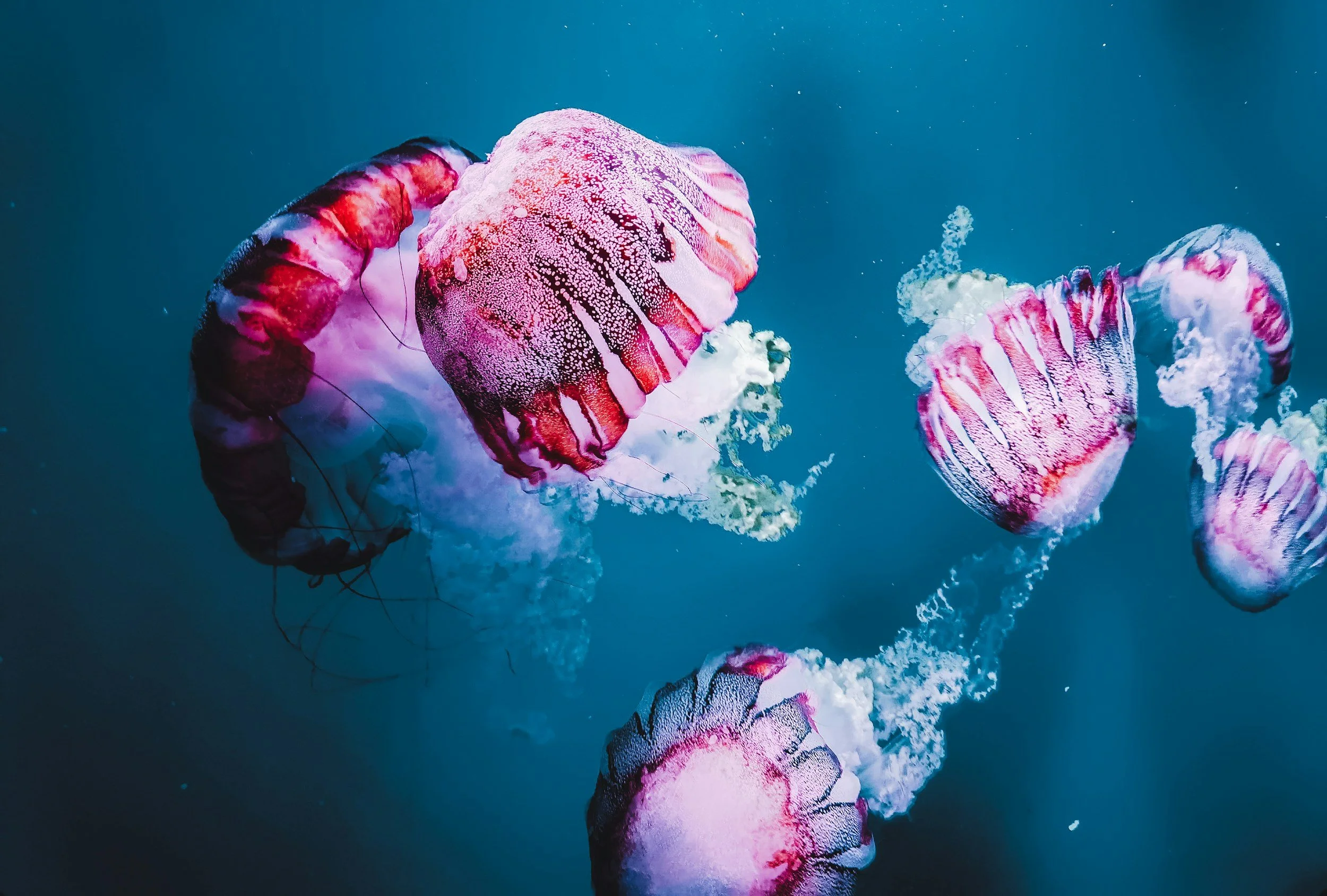
Scientists have discovered a record-breaking 1,121 new marine species over the past year as part of the global Ocean Census initiative, showing just how much of the ocean remains unexplored. The discoveries were made during 13 expeditions between April 2025 and March 2026. The total represents a 54% increase in discoveries compared to 2024-2025, partly thanks to advances in ocean exploration technology. Some of the most fascinating finds came from the Asia-Pacific region. Researchers discovered a new species of ghost shark more than 800 meters deep in Australia’s Coral Sea Marine Park, and a tiny bristle worm was found living inside the glass-like skeleton of a deep-sea sponge near Japan. Another standout discovery was a carnivorous “death ball” sponge found more than 3,600 meters below the surface in the South Atlantic Ocean. Scientists also identified a brightly colored ribbon worm near Timor-Leste whose natural chemical defenses may hold clues for future treatments for diseases like Alzheimer’s and schizophrenia.
Scientists estimate that roughly 90% of ocean species are still unknown to science while marine ecosystems are increasingly threatened from climate change, warming oceans, and coral reef loss. To speed up the process of documenting new life, Ocean Census has launched a digital platform called Nova that allows discoveries to be shared within weeks rather than waiting years for formal scientific classification. The goal is to identify 100,000 new marine species in the next several years to help researchers better understand and protect ocean ecosystems before many species disappear before they are ever officially recorded.
STUDY FINDS MANGROVE FORESTS ARE HEALING AFTER DECADES OF HUMAN DESTRUCTION
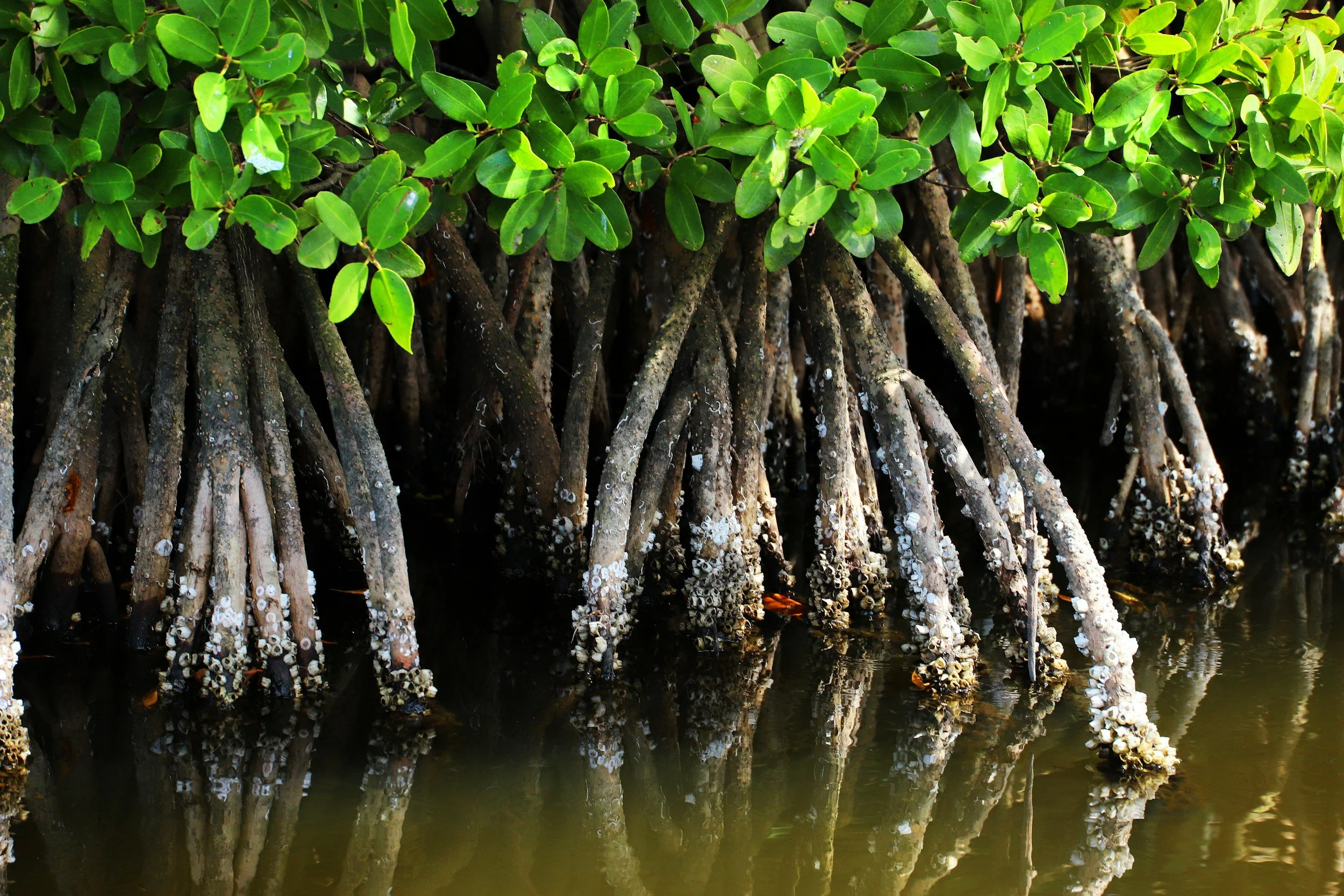
In encouraging news for one of the planet’s most important coastal ecosystems, mangrove forests are making a comeback! A new study found that since 2010, the world has actually gained more mangrove forest than it has lost, reversing decades of decline caused by coastal development, agriculture, and fish farming. Between the 1980s and 2010, more than 4,600 square miles of mangroves were destroyed. Today, total net losses since the 1980s have shrunk to about 328 square miles, thanks to stronger protections, restoration efforts, and growing recognition of the value these ecosystems provide.
Mangroves are critical for both climate resilience and biodiversity. They can store up to five times more carbon than land-based forests, protect coastlines from storm surges and tsunamis, and are habitat for unique fish and marine species. Researchers say one of the biggest reasons for their recovery is their natural ability to regenerate once human pressures are removed. Countries like Indonesia and Myanmar have seen the most recovery, partly because major disasters (such as the 2004 Indian Ocean tsunami and 2008 Cyclone) proved how successfully mangroves protect coastal communities. Public support for conservation grew after people witnessed the difference mangrove forests made during these events.
The study also found that many existing mangrove forests are becoming healthier, with the proportion of dense, carbon-rich closed-canopy mangroves increasing by ~20% since the 1980s. Areas in West and Central Africa continue to experience substantial losses because pollution from oil infrastructure has damaged large areas of mangrove habitat. Tropical cyclones, industrial development, and upstream pollution also continue to threaten these ecosystems. Still, researchers say the overall trend is positive and proves that when mangroves are protected, they can recover remarkably well, which is a rare environmental success story at a time when many ecosystems are under increasing pressure from climate change.
NEW REPORT FINDS THAT PARKS CAN BE CITIES MOST COST-EFFECTIVE INVESTMENT
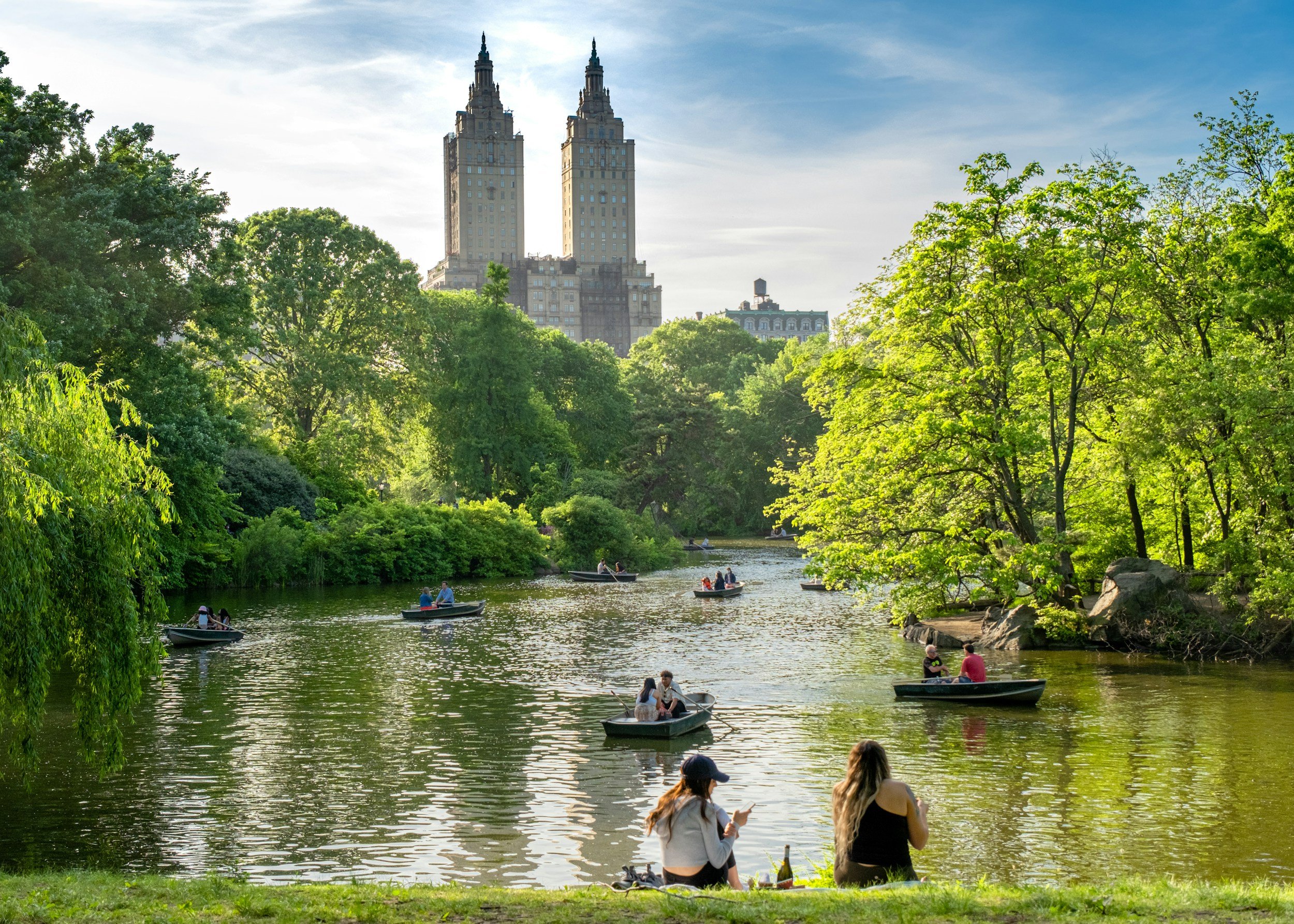
A new report from the nonprofit Trust for Public Land finds that parks are far beyond places to relax, but also powerful economic assets. According to the study, every $1 invested in parks and recreation generates about $3 in economic benefits for local communities each year. Those benefits include improved public health, increased tourism, stronger local businesses, and higher property values. These findings are critical because overall parks remain one of the few issues that currently have broad bipartisan support, even though 90% of Americans saying they visited a park in the past year.
Parks contribute to healthier communities by encouraging physical activity and providing free spaces for exercise, recreation, and social connection. Physical inactivity costs the U.S. more than $200 billion annually in health-related expenses, and researchers estimate that regular access to parks can generate roughly $2,000 per person in healthcare savings each year. Parks also support mental health by reducing stress, encouraging time in nature, and creating valuable "third places" where people can gather outside of work and home without needing to spend money. From community events and playgrounds to walking trails and recreation centers, these spaces help combat loneliness and improve quality of life for people of all ages.
Beyond health benefits, parks also strengthen local economies. Popular green spaces attract visitors who spend money at nearby restaurants, shops, and businesses, while homes located near parks often see higher property values, increasing local tax revenues. Parks also help strengthen the climate resilience of their cities by absorbing stormwater during increasingly intense rainstorms, which helps reduce flooding and eases pressure on aging sewer systems. They can also cool urban areas, reduce heat island effects, and provide room for community gardens and other nature-based solutions. All of these benefits together, the report argues that parks are one of the most cost-effective investments cities can make (while simultaneously supporting public health, economic growth, and climate adaptation).
OTHER SUSTAINABILITY NEWS
One of the world’s largest deep-sea coral reefs discovered off Argentina.
New York lawmakers pass a one-year data center moratorium, although the bill is not signed by Kathy Hochul yet.
New York sues the Trump administration over shady offshore wind deals.
An inventor created a built-in solution to make washing machines stop microplastics. Adam Root developed a filter to trap microfibers both at home and on an industrial scale.
As Energy Demand Rises, More States Turn to Virtual Power Plants.
U.S. to “dismantle” System Tracking Atlantic Currents that are at risk of collapse. The National Science Foundation plans to remove more than 900 deep-sea instruments anchored off Oregon, Washington State, Alaska, North Carolina, and the Irminger Sea between Greenland and Iceland. The federal agency said the decision to scrap the Ocean Observatories Initiative aligns with a “wider strategy to have a nimbler approach to prioritizing support for evolving scientific priorities.”
In good news, the EU is stepping up to monitor the oceans as Trump dismantles U.S. programs.
Humans Are Changing How Nature Smells, With Risks for Wildlife
A family in Tasmania used their expertise in aluminium shipbuilding to build the world’s largest battery-electric vessel. The ship has 40 megawatt-hours of batteries and will eventually provide service between Buenos Aires and Uruguay.
The New York Senate passes a bill to establish a floating solar incentive and education program, sending it to the Assembly.
A new study found that rainstorms create invisible ceilings which trap jellyfish. The natural phenomenon is called stratification drag.