
Sustainability Weekly

Fridays are for…
David Attenborough, Tropical Rainforests, Microplastics, and more!
by Alli DiGiacomo
Happy Friday! Since it is National Public Gardens week, here is a map of all the public community gardens in NYC. Here is a list of the Botanical Gardens. This weekend is a perfect time to check some out!
Keep reading for this week’s sustainability news…
T H I S W E E K ’ S T O P S T O R I E S
100 YEARS OF DAVID ATTENBOROUGH
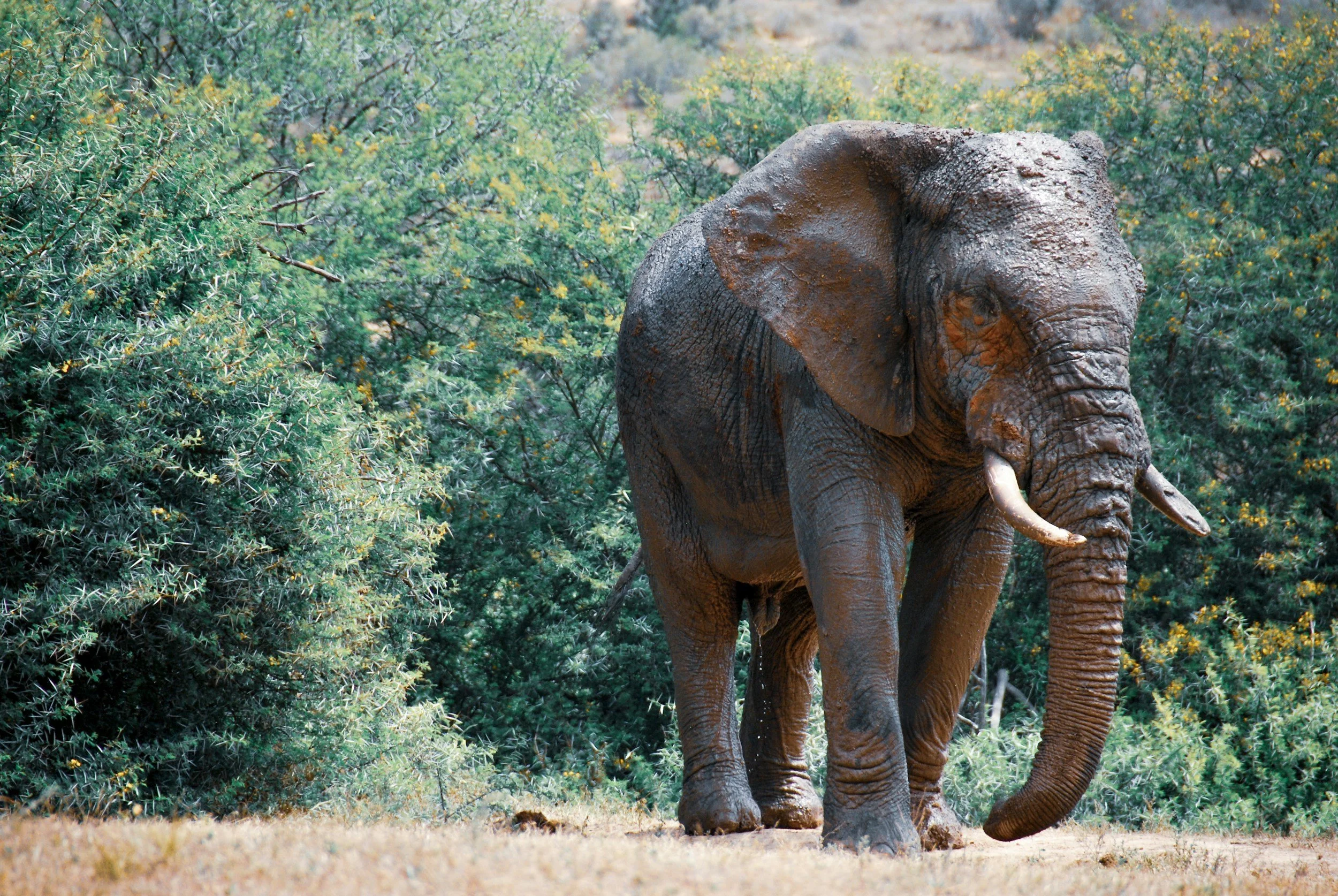
Today, May 8th, is David Attenborough's 100th birthday. David was born in London in 1926 and he is one of the world’s most influential environmental advocates, storytellers, and inspirations. There is a good chance you recognize his calming voice from one of the many documentaries he narrated, including Planet Earth and the Blue Planet. He has the ability to explain complex ecosystems in not only a digestible way that brings people together, but also in a way that inspires wonder and curiosity. This is important because it brings attention to the shared global experience of nature, but also the awe aspect creates a deeper connection and appreciation for wildlife and Earth.
On top of filmmaking, David has educated millions and become a leading voice warning about climate change, biodiversity loss, deforestation, and plastic pollution. His recent work focuses on the increasingly urgent need for global environmental action. His documentary “A Life on Our Planet” is a reflection on the changes he has witnessed during his lifetime, and it sends a strong message on the need to protect Earth for future generations. Because he spent decades observing ecosystems firsthand across every continent, his warnings carry unusual weight and credibility. He helped people understand that environmental destruction is not a distant issue affecting only remote glaciers, forests, or oceans, it’s a global crisis that is deeply connected to human communities and current consumption. Some of the best, most memorable moments in his documentaries are when animals interacted with him unexpectedly or things happened beyond the control of the cameras, revealing genuine joy and fascination rather than scripted presentation.
His career is the perfect example of the power of curiosity, education, and storytelling. He has influenced entire generations, overall public awareness, inspired environmental movements, and even encouraged governments and organizations to take sustainability more seriously. Even at his age, he keeps trying to connect with younger generations on social media platforms. His messages are highly influential and people continue to feel connected to him because he is uniquely authentic in a society filled with misinformation and Ai. His influence will likely continue for future generations.
TROPICAL RAINFORESTS CAN RECOVER FASTER THAN WE PREVIOUSLY THOUGHT

New research suggests tropical rainforests may recover much faster than scientists once believed. The study published in Nature found that many animal species returned to deforested land within just a few decades, rather than over the predicted course of a century or more. Trees and plant life can still take over 100 years to fully resemble old-growth forests, but the animals begin returning much sooner. Researchers were surprised to discover that wildlife recovery often outpaces forest regeneration itself, contrary to long-held assumptions about how tropical ecosystems rebuild after deforestation.
The research was conducted over 4 years in Ecuador and involved scientists studying 16 different groups of organisms, including bats, birds, frogs, insects, mammals, bacteria, trees, and seedlings. They analyzed 45 patches of regrowing forest that had previously been cleared for cattle pastures or cacao plantations, comparing them with older intact forests nearby. The findings showed that most animal populations returned within approximately 30 years, reaching diversity levels and population numbers nearly comparable to those found in untouched forests. The recovery was possible because the nearby old-growth forests act as refuges for wildlife, enabling animals to gradually move into recovering areas while dispersing seeds that help restore vegetation. Even isolated trees left behind after deforestation were found to significantly accelerate recovery by attracting wildlife and creating shade that supports new plant growth.
The scientists warned that these encouraging findings should not be interpreted as justification for continued deforestation. Some of the ecosystem damage is permanent, including the loss of ~30% of soil bacteria after forests are cleared, and certain highly specialized species have still not returned. Researchers also warned that recovery is much harder in severely degraded regions, such as heavily deforested parts of the Amazon, where little intact rainforest remains to support regrowth.
NEW STUDY REVEALS HOW AIRBORNE MICROPLASTICS ARE MAKING CLIMATE CHANGE WORSE
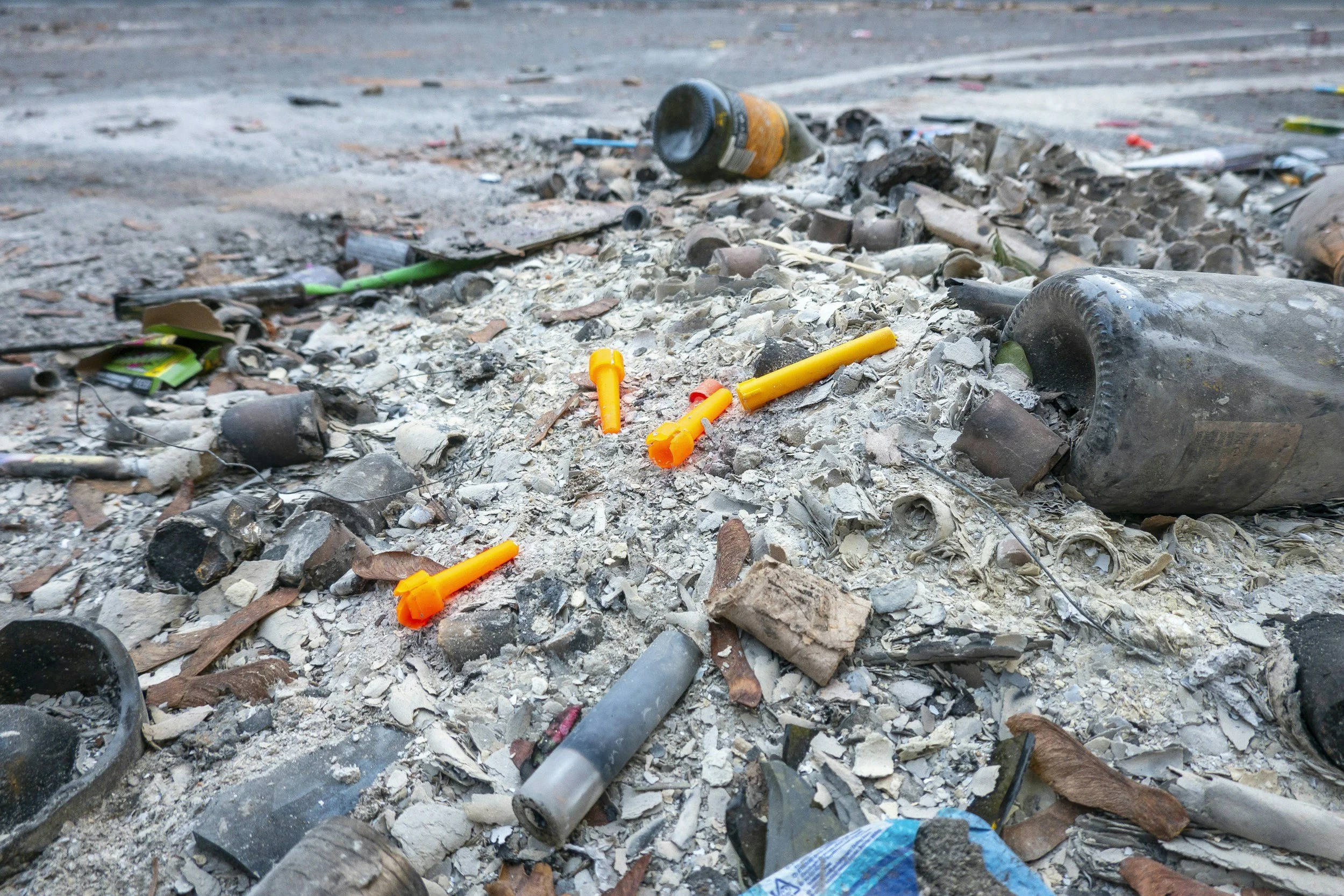
New research published in Nature reveals that the tiny particles of plastic (which don;t forget is made of fossil fuels) drifting through Earth’s atmosphere may be magnifying global warming. These microscopic fragments, which are shed from cheap synthetic fabrics, rubber tires, plastic bags, plastic bottles, and other materials as they break down, have already been found in oceans, soils, rivers, clouds, and even remote regions of the planet. We already knew this. Scientists previously discovered that microplastics can travel thousands of miles through the atmosphere and influence cloud formation, rainfall, and weather patterns. These new findings, however, show they may also directly affect Earth’s temperature by absorbing and reflecting sunlight.
Darker-colored microplastics absorb heat similarly to asphalt or soot, while lighter-colored particles reflect sunlight and create a cooling effect. What the study found when they were examined collectively, is the warming influence outweighs the cooling impact, resulting in a net increase in atmospheric warming. The warming effect of global microplastic emissions each year is roughly equivalent to the emissions produced by about 200 coal-fired power plants during the same period. The warming impact of microplastics is ~16% as strong as that of black carbon (soot), which is already recognized as a major climate pollutant. The overall warming effect still remains far smaller than the impact of carbon dioxide emissions.
Scientists are now realizing that climate models should be updated because of these findings, which were previously extremely overlooked. Current climate models generally do not account for airborne microplastics. The researchers caution that more evidence is still needed to fully understand how microplastics are distributed throughout the atmosphere and how they interact with clouds, sunlight, and other atmospheric processes. This is yet another reason to decrease our reliance on plastics.
SUSTAINABILITY NEWS
The solution to urban heat is much, much simpler than you think.
Which states get the most power from wind and solar?
A federal judge in Massachusetts struck down several Trump administration actions intended to slow down the development of clean energy.
Inside the world’s largest sand battery.
Manhattan’s East Side Coastal Resiliency (ESCR) urban resilience project won the 2026 AIANY + ASLANY Transportation + Infrastructure Design Excellence Awards.
Renewable energy firm Panthalassa raises $140M in funding to deploy floating AI data centers. “There are three sources of energy on the planet with tens of terawatts of new capacity potential: solar, nuclear, and the open ocean,” said Panthalassa CEO and co-founder Garth Sheldon-Coulson.
Engineers develop a new magnetic system for wirelessly charging electric ships at sea.
How controlled burns can help save taxpayers billions. New research shows every $1 the U.S. Forest Service spent to minimize wildfire risk prevented nearly $4 in damages.
A NYC pilot program giving residents batteries to power air conditioning units at times of high demand is expanding to another 1,000 homes this summer.
Rural North Carolina fights back against PFAS contamination.
New panels produce hydrogen fuel using only water, sunlight and no electricity.
New York Gov. Kathy Hochul announces a budget deal that includes rollbacks of the state’s climate laws, though some state legislators say the agreement is far from final.
Finland just unveiled its longest bridge. Cars will never drive on it.
More than 10% of New York state’s light-duty fleet is now made up of zero-emissions vehicles.
Microplastics found in fish before they even open their mouths.
A mama polar bear adopts a cub in a rare case caught on camera. Now, you can track their journey.
Mamdani to swap parking spots for more than 6,500 curbside Empire Bins across NYC.