
Sustainability Weekly

Fridays are for…
Biking, Coral Reefs, Fossil Fuel Phase-outs, and more!
by Alli DiGiacomo
Happy Friday and first day of May! Peak Springtime in NYC, May is also National Bike Month, so it’s a perfect time to keep participating in our Spring Bike Challenge! You know what they say, April showers bring May flowers! See here for a list of seasonal May Produce.
Keep reading for this week’s sustainability news…
T H I S W E E K ’ S T O P S T O R I E S
60 COUNTRIES MEET ON THE FIRST GLOBAL CONFERENCE ON PHASING OUT FOSSIL FUELS
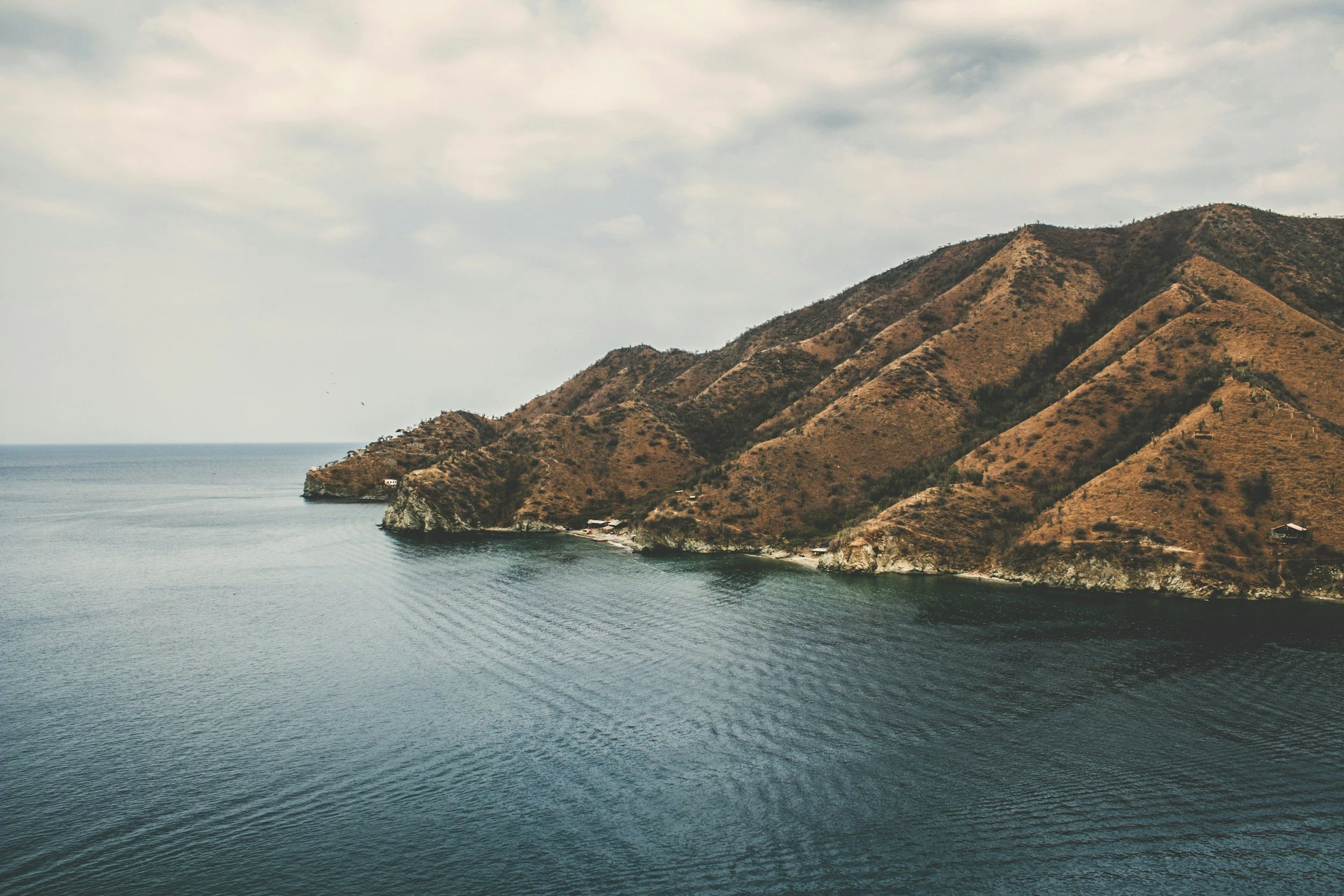
Around 60 countries gathered in Santa Marta, Columbia, for a first-of-its-kind conference focused entirely on how to move away from fossil fuels (not whether to do it). One thing that stood out was the fact that the U.S. was not invited, as well as the other major emitters like China and Russia. This was intentional to create space for a more productive and less obstructed conversation. The countries that attended represented about one-third of the global economy, and were also joined by businesses, Indigenous groups, and civil society leaders. Attendees hope this will be a turning point after decades of slow progress in traditional U.N. talks. The conference was held deliberately outside the traditional UN COP process, which is criticized as being too slow and too compromised. Unlike those formal summits, this event focused directly on fossil fuels.
The conference didn’t result in any binding agreements, but it created momentum and achieved it’s goal for the first meeting, which was to share knowledge and new ideas. Countries shared voluntary roadmaps, including France’s plan to phase out coal by 2027, oil by 2045, and gas by 2050. Companies unveiled other innovations like fossil-free cargo shipping. This “coalition of the willing,” which includes major economies like California, could more urgently shift global demand away from oil, gas, and coal and influence future climate negotiations like COP31. The timing is ironic with current geopolitical conditions that have exposed how vulnerable and unstable fossil fuels are. With the Strait of Hormuz closed and oil prices hitting a four-year high, the world is getting a live demonstration of exactly the kind of volatility a fossil-fuel-dependent economy is vulnerable to. A follow-up conference is planned for February 2027 in Tuvalu.
CORAL REEFS ARE SECRETLY CONNECTED ACROSS OCEANS, WHICH IT CRUCIAL TO THEIR SURVIVAL
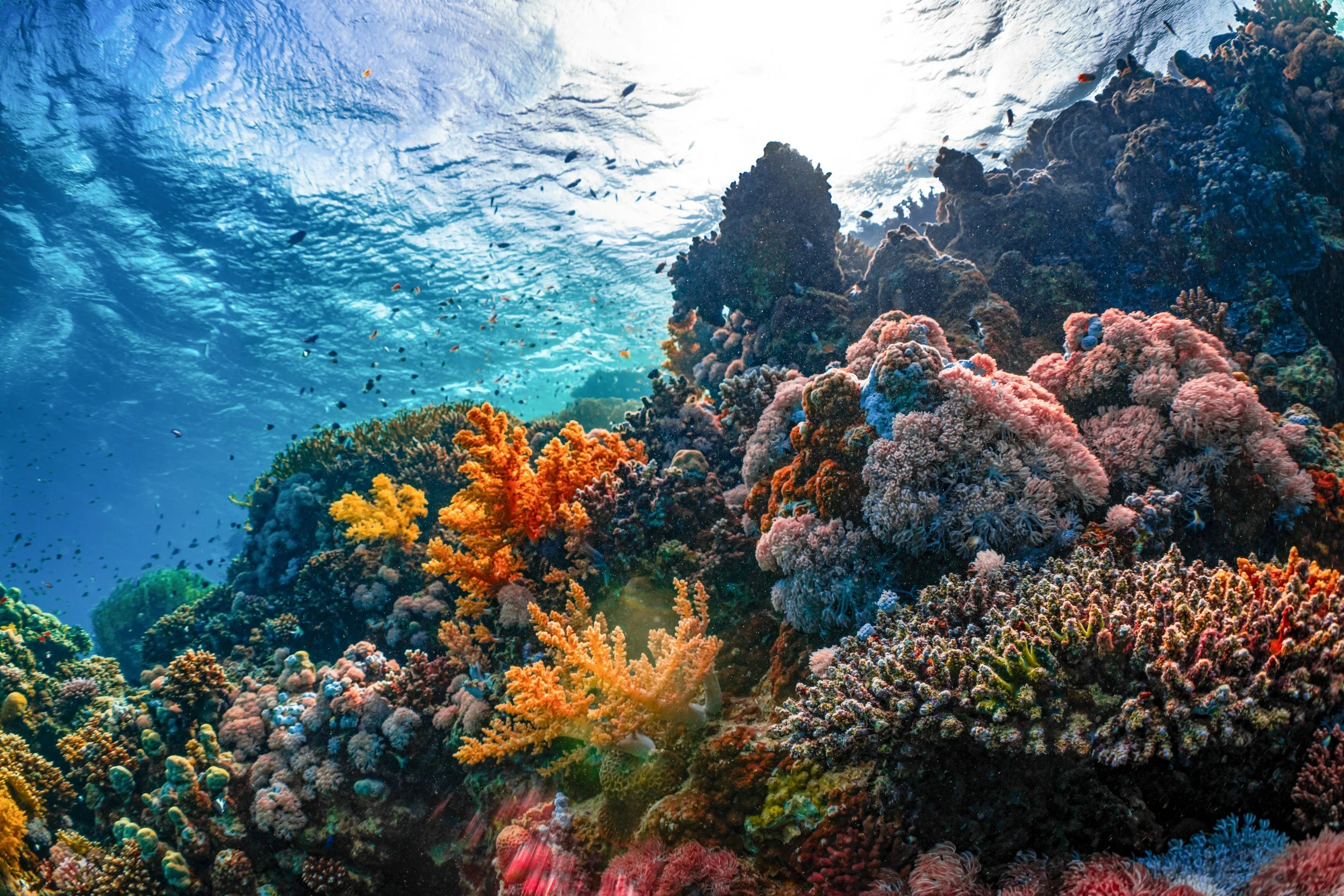
New research published in the Journal of Applied Ecology shows that coral reefs across the Pacific are far more connected than we previously thought, and that this hidden network is critical to their survival. Scientists tracked coral larvae (which can be smaller than a grain of rice) moving between more than 850 reefs, including the Great Barrier Reef, New Caledonia, and Lord Howe Island. These larvae can travel hundreds or even thousands of kilometers on ocean currents, helping damaged reefs recover after events like heatwaves or storms. They found that only a small number of reefs act as key “hubs,” sending and receiving larvae across vast distances, essentially keeping entire reef systems alive. Without these connections, reefs lose their ability to recover, and climate change is of course making it worse.
One of the other major findings involves Lord Howe Island, which researchers discovered is a refuge where corals might survive even as warming intensifies because of its cooler southern waters. But its isolation could backfire because even though it's protected from the worst heat stress, it contributes fewer larvae to the broader network, making it a likely survivor and a reef the entire region may one day depend on at the same time. The biggest overall message from this research is that conservation efforts need to go from protecting individual and isolated reefs to protecting entire networks, including the ocean “superhighways” that larvae travel through. Threats like warming waters, pollution, and industrial fishing put so much pressure on these ecosystems, and protecting these connections could be the difference between widespread reef collapse and long-term resilience.
AMSTERDAM BECOMES THE FIRST CAPITAL CITY TO BAN FOSSIL FUEL AND MEAT ADVERTISING
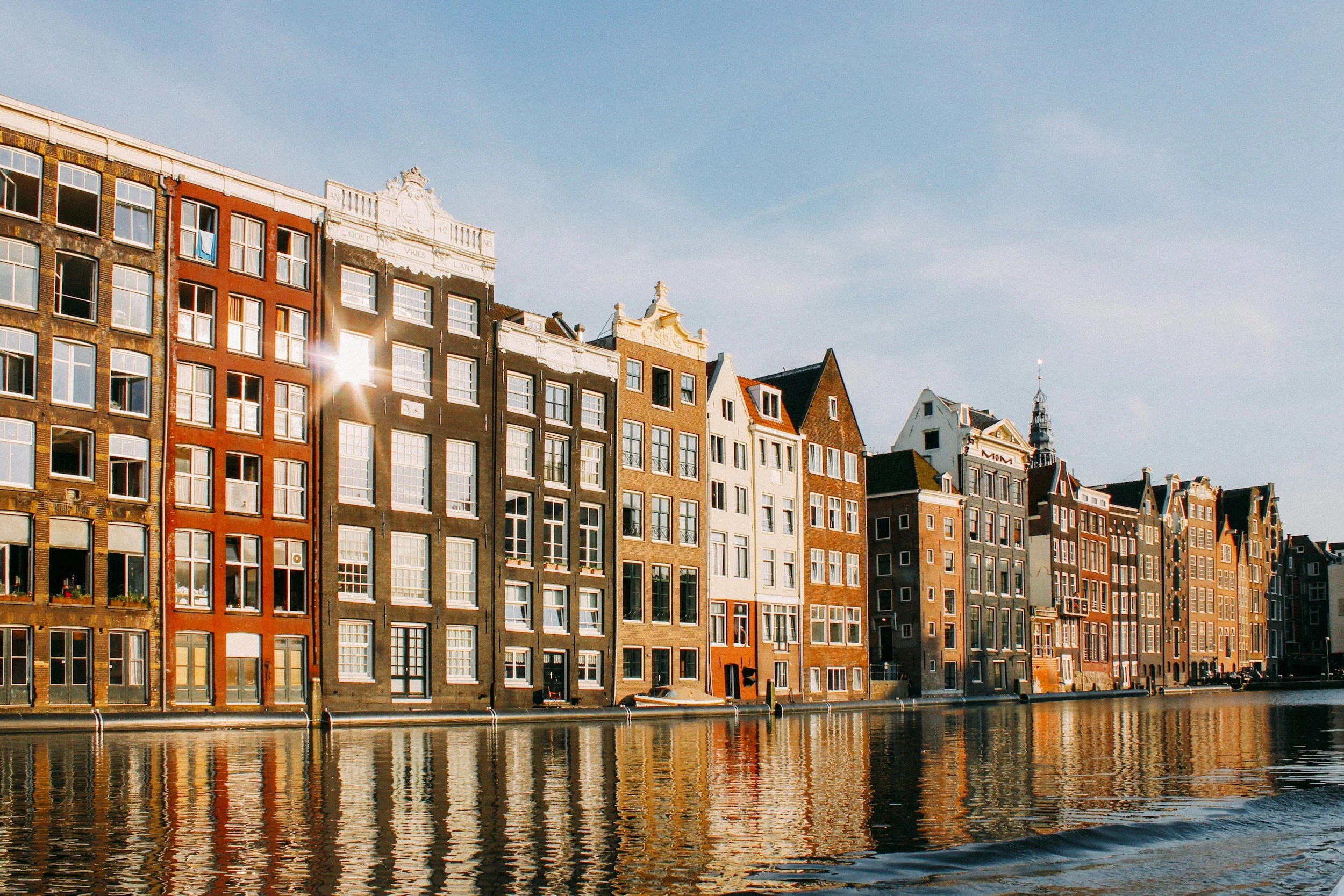
Amsterdam has become the first capital city in the world to pass a law that bans fossil fuel and meat advertising in public spaces, passing the measure in a 27–17 vote despite strong last-minute lobbying from JCDecaux. The law, which took effect May 1, 2026, prohibits ads for high-carbon products like flights, gas-powered cars, cruises, gas heating, and meat across city-owned spaces such as buses, trains, metro stations, and billboards. The law passed in a 27-17 vote even after last minute lobbying from fossil fuel industries failed. The goal is to discourage high-emission lifestyles and align public advertising with climate policies. Some officials argued it made no sense to promote products that undermine the city’s environmental goals. JCDecaux, a major outdoor advertising company, warned the ban could impact funding for public infrastructure like bus shelters. But Amsterdam pushed back, saying those spaces can just be filled with lower-emission or alternative ads instead.
The ban is more enforceable than previous voluntary efforts, with potential fines for violations, though 2026 will largely serve as a transition period. It still allows limited corporate branding by fossil fuel companies until contracts expire in 2028, and does not apply to private businesses or media like newspapers and online ads. This is all building on momentum from cities like The Hague, where a similar ban was upheld in court. There has been growing global pressure to treat fossil fuel advertising more like tobacco marketing, including arguments that the policy will improve public health and climate outcomes by reducing the normalization of high-carbon consumption.
SUSTAINABILITY NEWS
Army Corps has withdrawn the permit for a controversial dredging project in the Florida Everglades due to public pressure and environmental concerns.
A recent study found seeds from a ‘miracle’ moringa tree remove 98% of microplastics from drinking water, outperforming their chemical counterparts.
Scientists studied the recovery of 10,000 species in the Amazon and found that they rebounded faster than expected. Birds and bats proved to be the most resilient, with researchers calling them key to kickstarting forest growth.
King Charles Spends an Afternoon with Students at an Urban Farm in Harlem.
After nationwide backlash, a Republican-led bill that would have weakened endangered and threatened species protections was removed from the House floor.
Spell your name out in letters from the Earth.
Forbes announced a new ‘True Net Wealth’ ranking that incorporates how much billionaires give away.
The Department of Energy said Monday it will soon restart talks to pay out nearly $430 million in payments to American hydroelectric projects that were promised under a Biden-era program.
NY weakened heat protections for ratepayers facing utility shutoffs, especially in NYC. Under its previous agreement with the state, ConEdison was barred from terminating service for non-payment the day before a 90-degree forecast, the day of, and two days after. The new policy prohibits shutoffs only on the day of the forecast.
A study found that school gardens lead to more positive attitudes about the environment, build agricultural literacy, increase physical activity during the school day, and improves hand-eye coordination in young children, which is linked to success in handwriting, math, and reading.
Check out these standout images of Earth from an annual photo contest.
Activists are selling symbolic ‘stock’ in national parks through May 30th to remind Americans to ‘protect what’s yours’.
A critically endangered whale species now has a GoFundMe after its research grants were cut by the Trump administration.
Not only do sharks have friends, they have third spaces.
Researchers at Utrecht University in the Netherlands have launched Paleolatitude.org, an online tool that allows users to track the geographical journey of any location on Earth over the last 320 million years.