
Sustainability Weekly

Fridays are for…
Arbor Day, Balcony Solar, Plastic Roads, and more!
by Alli DiGiacomo
Happy Friday! It is not only still Earth Week, but today is Arbor Day! Arbor Day is a holiday dedicated to learning about, planting and caring for trees. It has been around way longer than Earth Day, it was first celebrated in 1872 in Nebraska to encourage conservation and reforestation. Trees improve air quality, support wildlife, improve our mental wellbeing, and reduce the urban heat island effect here in NYC (help moderate the climate). They help combat climate change by absorbing carbon dioxide and releasing oxygen, and they can live for thousands of years. The Bristlecone Pine is one of the oldest living organisms on Earth, with some over 4,800 years old!
There are still lots of events happening around the city for Earth Month and Arbor Day! A complete list from NYC Parks can be found here. Some other events include:
🌎 Friday, April 24th: Arbor Day Celebration by NYC Parks
Little Bay Park, Queens, 3:30pm - 5pm.
🌎 Saturday, April 25th: Car-Free Earth Day by NYC DOT
Different streets in each borough, see link. 10am - 4pm.
Free 30min Citibike rides.
🌎 Saturday, April 25th: Randall’s Island Earth Day Festival by NYC Parks
Urban Farm + Fields at Randall’s Island, 12pm - 3pm
🌎 Sunday, April 26th: Earth Love Fest by House of Yes
House of Yes, Brooklyn, 12pm-6pm. Free for all ages.
🌎 April 18th - 29th: Volunteer with Big Reuse.
Keep reading for this week’s sustainability news…
T H I S W E E K ’ S T O P S T O R I E S
A PROPOSED BILL, THE SUNNY ACT, COULD ALLOW NEW YORKERS TO INSTALL BALCONY SOLAR PANELS
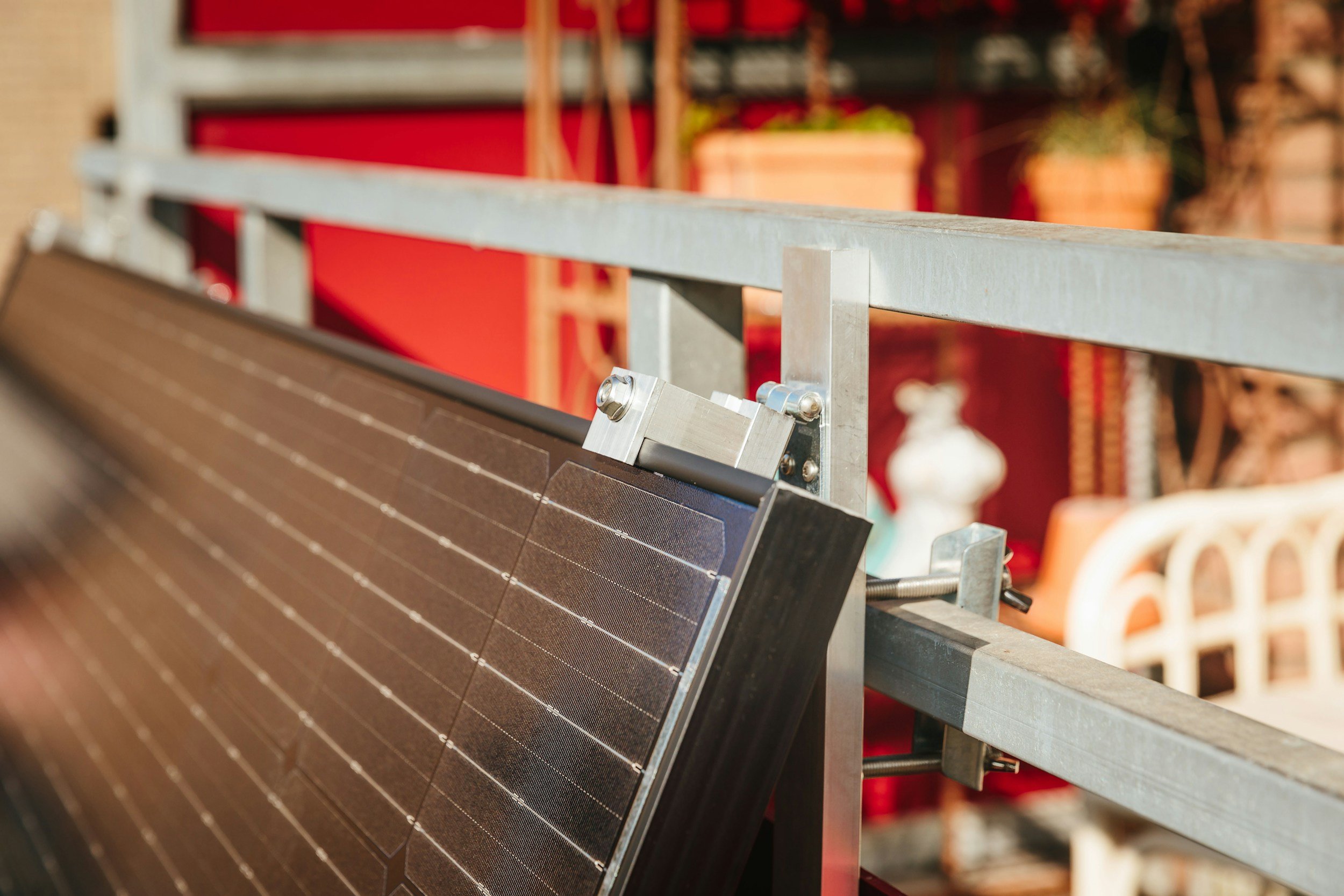
A proposed New York bill, known as the Sunny Act, could soon allow residents to install small, plug-in solar panels on windows, balconies, and other outdoor spaces in NYC. This is something that’s currently not legal under existing regulations that are designed for large rooftop systems. The legislation is backed by state Senator Liz Krueger and also supported by Con Edison. It would make solar power more accessible to apartment dwellers, who make up the majority of NYC residents and have so far been left out of the solar market. These lightweight panels can be installed in minutes, plug directly into a standard outlet, and send electricity straight into a home’s wiring, potentially cutting energy use by 10% to 25%.
Systems range from around $300 to several thousand dollars depending on size, and some are capable of generating enough power to run appliances such as air conditioners. Rooftop solar systems can cost $20,000 or more, but these smaller setups are a more affordable entry point and could save users a few hundred dollars per year. They are already common in places like Germany and the technology is finally gaining traction in the U.S., with similar laws already passed in over 30 states. Beyond cost savings, balcony solar helps reduce fossil fuel use and expand clean energy while simultaneously reducing reliance on the grid.
CORNELL STUDY FINDS US WASTE STREAMS CONTAIN $5.7 BILLION IN UNTAPPED AGRICULTURAL NUTRIENTS
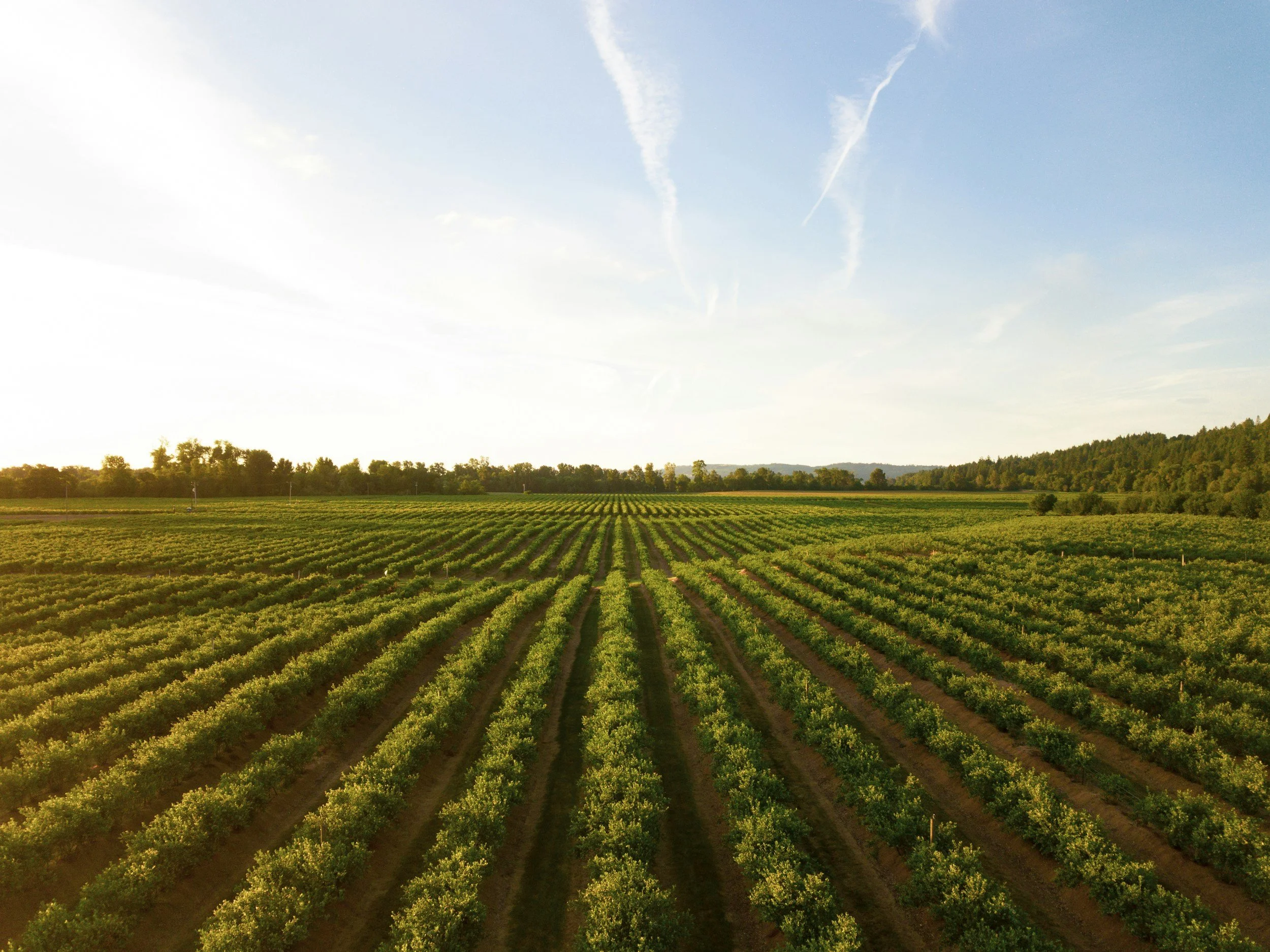
A new study from Cornell University published in Nature Sustainability found that waste from people and livestock could potentially replace a huge amount of the synthetic fertilizer used in U.S. agriculture. Human and animal waste contains enough nutrients to provide 102% of the country’s nitrogen needs and 50% of its phosphorus needs for farming. At current fertilizer prices, those unused nutrients are worth about $5.7 billion. Using this waste instead of synthetic fertilizer, which has an extremely energy-intensive production process, could reduce greenhouse gas emissions and water pollution, as well as make the food system less vulnerable to global supply chain problems.
The main challenge is that the nutrients are not located where they are most needed. Cities in the Northeast and livestock-heavy areas in the West produce large amounts of waste, while major farming regions in the Midwest and Great Plains often lack enough nutrients and are forced to rely on imported fertilizer. The study found that this mismatch often lines up with socioeconomically disadvantaged communities, where some areas already deal with polluted waterways from excess waste and depend on expensive chemical fertilizers. The study describes it as more of a coordination problem than a shortage of resources.
Because untreated waste contains pathogens and too high of a water content, a decentralized system is proposed. This would mean local facilities would process waste into dry pellets or concentrated liquids that are easier to transport and use on farms. The researchers estimate that about 37% of nitrogen and 46% of phosphorus could be reused locally where the waste is produced, and the rest could be moved to nearby agricultural regions without major costs. The technology already exists, but the U.S. would need better infrastructure and coordination between the waste, agriculture, and energy sectors to make it work.
HAWAII IS FIGHTING POLLUTION BY TURNING OCEAN PLASTIC INTO ROADS
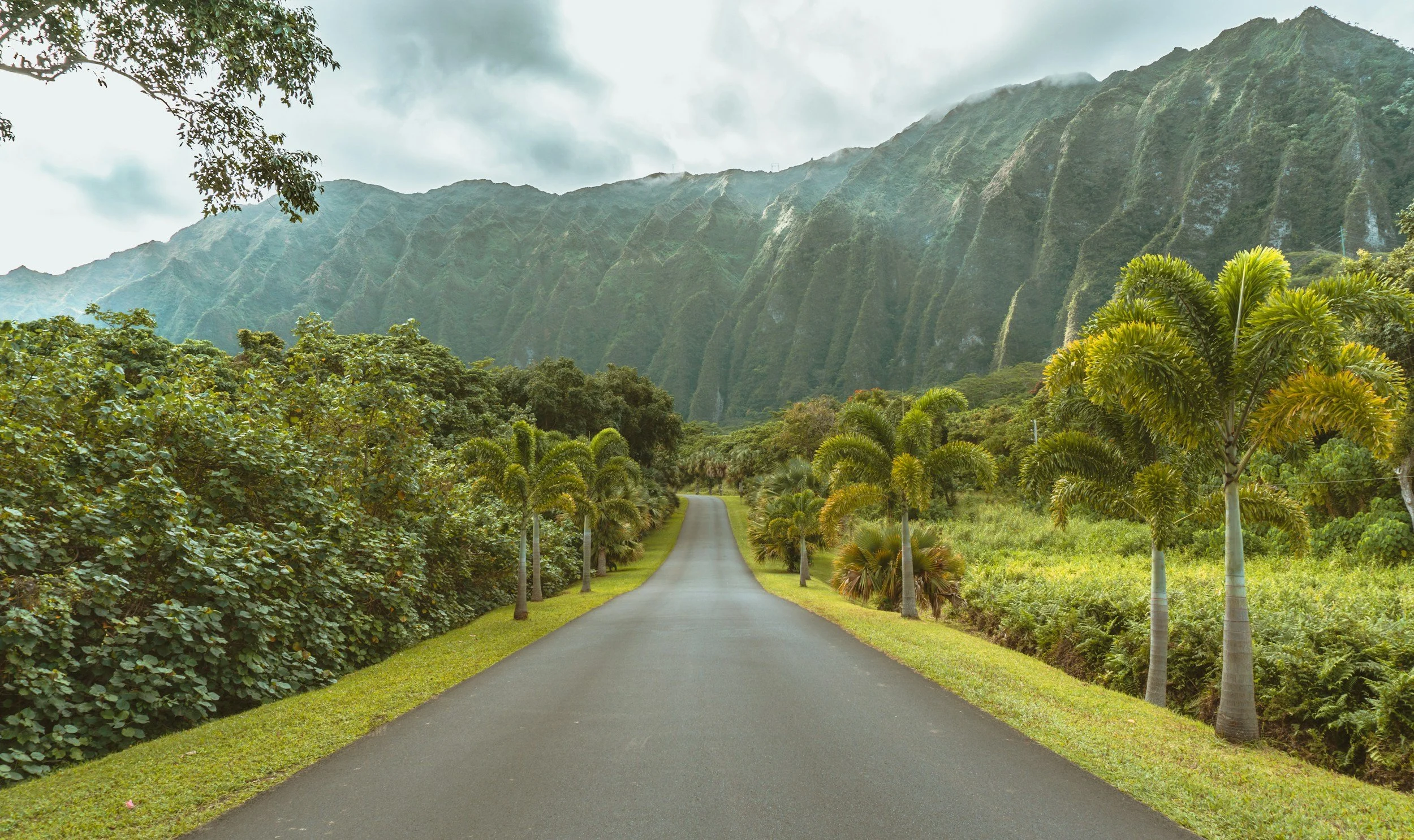
Researchers in Hawaii are testing a new way to help solve ocean pollution by turning plastic debris and old fishing nets into road pavement. Through the Nets-to-Roads program run by the Center for Marine Debris Research, more than 90 metric tons of plastic have been removed from the ocean and beaches around Hawaii, including over a metric ton of abandoned fishing nets. The plastic (polyethylene) is cleaned, shredded, and mixed into asphalt to pave roads on Oahu. Hawaii is the first place to use marine debris in pavement, partly because the islands regularly receive trash from the Great Pacific Garbage Patch.
What is currently being researched is whether the plastic roads could release harmful microplastics into the environment as they wear down. Microplastics can expose humans and animals to toxic plastic additives, leading to hormone disruption, chronic inflammation and reproductive problems. To test this, they built various experimental road sections in 2022 using different combinations of asphalt, ground-up fishing nets and plastic waste, and a rubber additive called styrene-butadiene-styrene. One year later, they tested runoff water and road dust to see if plastic particles were escaping. So far the results show that roads with recycled plastic did not release significantly more microplastics than regular asphalt. A second round of testing began in 2024 with five new pavement sections, and researchers are now studying them in more detail to determine which mix is strongest and safest.
The project could find a use for the massive amount of plastic washing onto Hawaiian shores that would otherwise end up in landfills or the ocean. Hawaii’s rainy, volcanic environment can crack roads differently than in other places, so the asphalt recipe may need to be adjusted before the idea can be fully scaled up.
SUSTAINABILITY NEWS
The U.S. officially has two new nuclear projects underway.
For the first time in history, the winners of the “Green Nobel” were all women.
New York City seeks public input on where to locate 25 new e-bike battery exchange cabinets — which allow riders to swap empty batteries for charged ones — as it expands on a successful pilot program.
Environmental groups sue the Interior Department to stop BP from launching a $5 billion drilling project in the Gulf of Mexico.
5 citizen science projects that have actually made a real difference for the environment.
Jane Goodall has advice for everyone this Earth Day, in a rare, never-before-seen interview.
Two new studies could change critics’ opinions about how many birds die from wind turbines. Over the course of 19 months, there was not a single collision.
New York makes an additional $30 million available for EV rebates that give $500 to $2,000 back on the purchase of plug-in hybrid or fully electric vehicles.
A study of 38,000 people across the world found that a connection to nature improves well‑being, including influencing brain activity patterns, feelings of hope, satisfaction and optimism, sense of resilience and stress responses, and decreasing depression.
Nearly half of U.S. kids are breathing unhealthy air, report says. These are the cleanest and most polluted cities.
The Department of the Interior is creating a new office called the Marine Minerals Administration to manage oil drilling and seabed mining in America’s territorial waters.
US scientists’ new method can measure rare-earth elements in plants without destroying them.
Mayor Mamdani touts climate-friendly upgrades to NYCHA properties for Earth Day.