
Sustainability Weekly

Fridays are for…
Cherry Blossoms, Historic Milestones for Renewables, Living Underwater, and more!
by Alli DiGiacomo
Happy Friday! While the Earth month activities don’t start quite yet, it’s still a perfect time to get outside and appreciate nature and all of NYC’s parks. Plus, it’s peak cherry blossom season! There is a comprehensive guide (including a map) of all types of blossoms and their locations all around the five boroughs here. Did you know that there are 47 varieties of cherry blossoms, 26 varieties of crapapples, and 15 varieties of magnolias in NYC? Other useful resources are this Cherry Blossom Tracker for Central Park by the Central Park Conservancy, and the CherryWatch by the Brooklyn Botanical Garden.
Keep reading for this week’s sustainability news…
T H I S W E E K ’ S T O P S T O R I E S
THE U.S. PRODUCED MORE ELECTRICITY FROM RENEWABLE ENERGY THAN NATURAL GAS IN MARCH FOR THE FIRST TIME IN HISTORY
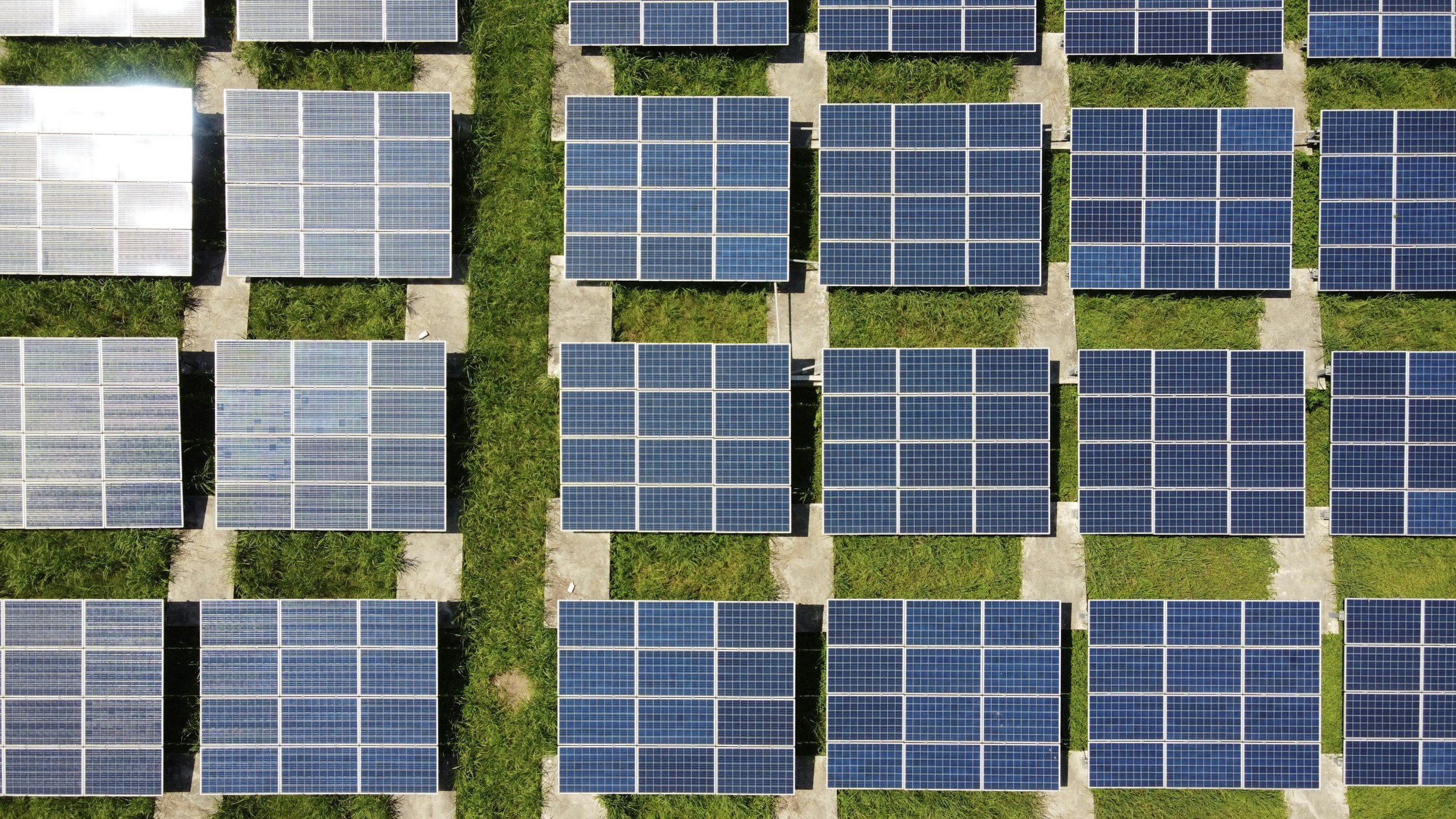
For the first time ever, renewable energy sources like solar and wind generated more electricity than natural gas across the U.S. grid for an entire month (March 2026). Data from Ember shows that not only did renewables outperform natural gas, but emissions-free sources overall, including nuclear, made up more than half of total electricity generation. This is partly reflective of seasonal trends (spring typically has lower energy demand and increased renewable productivity due to more sunlight and weather), it still brings to light how quickly clean energy has grown. This is a big deal, especially if compared to just five years ago when natural gas dominated by a wide margin. Rapid solar expansion also partly has to do with this milestone, as well as steady wind growth, even as other renewables like hydropower have declined slightly. This progress is still happening despite political opposition, including efforts by the Trump administration to slow renewable development. The fact is, renewables are the easiest and fastest option for adding new electricity power to the grid, which is in higher demand than ever thanks to data centers, and this likely won’t be the last time renewables surpass fossil fuels.
HOW UNDERWATER LIVING COULD HELP SAVE THE WORLDS OCEANS
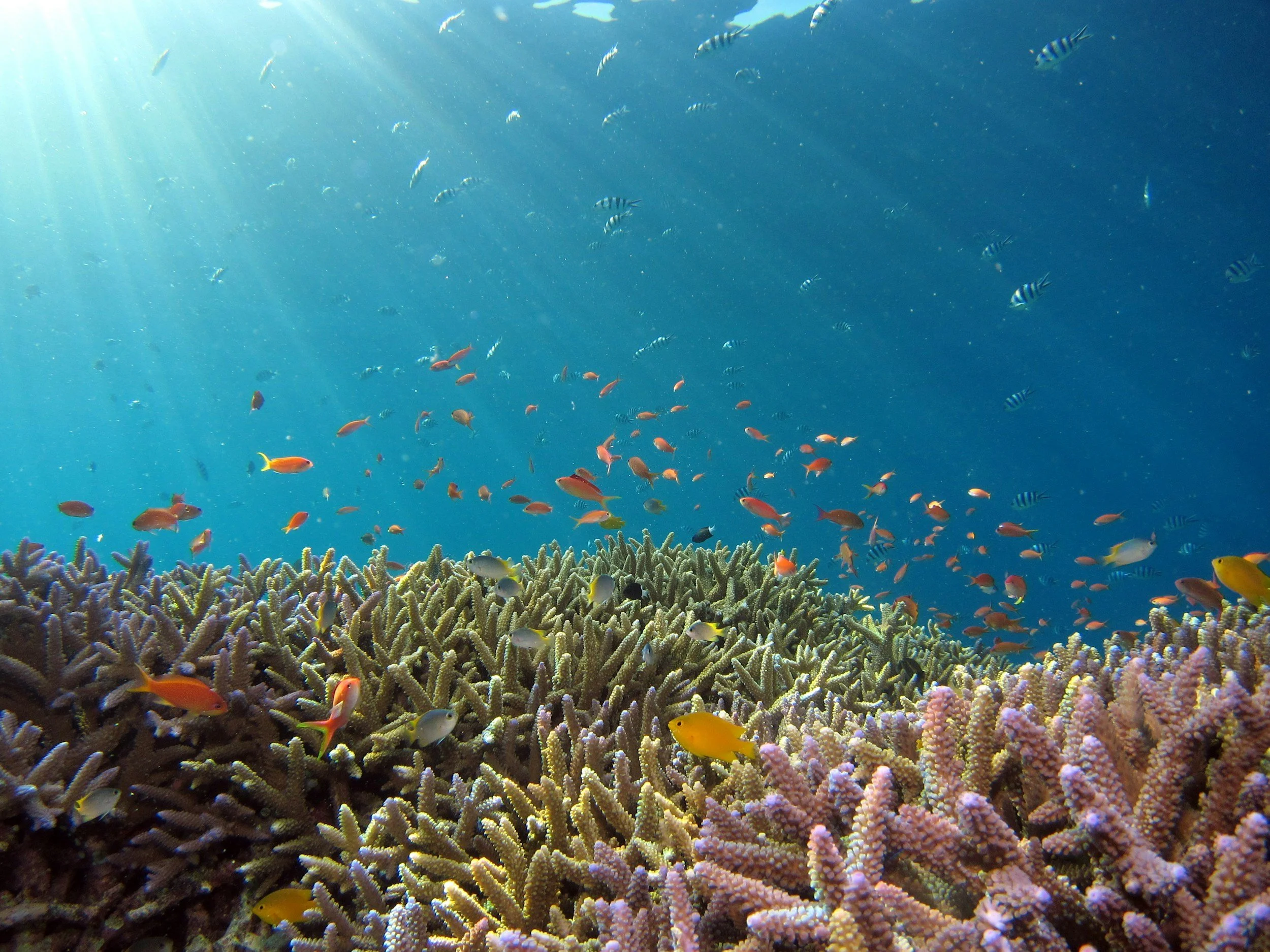
A new project led by DEEP is exploring whether humans living underwater for extended periods could help advance ocean research and medicine. At its training hub near Chepstow, UK, teams are preparing to live in futuristic subsea habitats placed 50 to 200 meters below the ocean’s surface. These pods are designed like underwater living spaces, complete with spacey kitchens, bathrooms, and research labs, where scientists stay submerged for up to a week at a time. This would dramatically increase research time, allowing what currently takes a month of short dives to be accomplished in just a few days, while also conducting real-time experiments on marine ecosystems and human physiology. 70% of the ocean still remains unexplored.
The first habitat, called Vanguard, will house small crews and connect to the surface for power and air, and larger, interconnected systems are planned for the future. Researchers believe living underwater could “transform marine science,” especially for studying coral reefs and restoring ecosystems affected by climate change, since scientists could observe environments continuously rather than in short visits. It could also lead to medical breakthroughs, as studying how the human body reacts to pressure, oxygen levels, and isolation could lead to improvements in treatments like oxygen therapy for injuries and critical illnesses. They mentioned they are building off of ongoing research on the physical changes happening to military submariners. Inspired in part by research on astronauts and extreme environments, the goal of the project is to make deep-sea exploration more accessible and routine, potentially opening up vast, still-unexplored areas of the ocean while supporting conservation efforts. DEEP even hinted at possible future underwater hotels, but that is unconfirmed.
DSNY UNVEILS A NEW $24M SANITATION FACILITY IN GOWANUS

The Department of Sanitation in New York City has opened a new $24 million sanitation facility in Gowanus that both upgrades local waste operations and clears the way for a long-delayed part of the Gowanus Canal Superfund cleanup. The Gowanus Canal has been a designated Superfund Site since 2009. The facility was built by the city’s Department of Environmental Protection, and can store up to 6 million pounds of road salt and process 600,000 pounds of compost each year. It also supports snow removal and includes space for plow equipment and brine tanks. The facility has rooftop solar panels to generate some of its own energy and brings back the Big Reuse composting program, which turns food waste into soil for community use, has public drop-off spots, and an education program. This also allows construction to move forward on one of two required combined sewer overflow (CSO) tanks, which are will help prevent sewage from flowing into the canal during storms. These tanks are mandated by the EPA and have been delayed for years. Excavation for one tank is set to begin now, and the first tank in Red Hook is already in progress. Both are expected to be completed by 2029, with the main goal of protecting the long-term cleanup of the canal and reducing water and soil pollution.
MORE IN SUSTAINABILITY NEWS
New research finds that even a few scattered trees on farmland can give a big boost to nearby forest wildlife.
Oceans are darkening all over the planet – what’s going on?
Germany to turn 220,000 tons of discarded window glass into new panes each year without the need for energy-intensive melting.
New Jersey is moving to legalize nuclear power as they lift an over 40-year nuclear power moratorium.
Trying Times: Keeping the Faith as Environmental Gains Are Lost.
MIT researchers have found a new way to track vehicle pollution in cities in real time with greater accuracy. The new system captures how factors like traffic lights and stop-and-go driving affect emissions in real situations.
China is tightening control over EV supply chains by introducing new rules to standardise lithium-ion battery recycling and mandate digital traceability for recovery.
An El Niño is expected to usher in warmer-than-usual global temperatures and fewer-than-average Atlantic hurricanes, according to meteorological reports released yesterday.
Long Overlooked as Crucial to Life, Fungi Start to Get Their Due.
Check out this Earth Day Book List from Earth Day Initiative.
New low-cost fabric panels warm buildings and reduce heating energy use up to 23%.
A team of scientists at Princeton University and the University of Arizona produced a map of US groundwater, what is being called “the most extensive estimate of the country’s groundwater to date.”
The Iran war is exposing the huge risks in our food system.
Solar-powered reactors turn hard-to-recycle plastic waste into clean hydrogen fuel and industrial chemicals using old car battery acid.
Nobel Prize-winning breakthrough turns air into drinking water.
6 college students installed solar power in a rural Amazonian village that had never had electricity before.