
Sustainability Weekly

Fridays are for…
New Year Action, Food Recycling in Grocery Stores, and more!
by Alli DiGiacomo
Happy Friday and new year! Despite major climate setbacks in the U.S. in 2025, as well as it being one of the top 3 hottest years on record, there were still many environmental wins! Renewable energy overtook coal as the world’s leading source of electricity, the High Seas Treaty (protecting 30% of high seas) was ratified, green sea turtles were taken off the endangered species list thanks to decades of conservation efforts, and the International Court of Justice (ICJ), considered the world's highest court, issued a landmark decision that clears the way for countries to sue each other over climate change. See other major climate milestones of 2025 here.
Around the world, 2026 is expected to be a year where sustainability moves from big promises and marketing strategies to tangible action and operations. Many companies and industries have big 2030 targets to meet, so the clock is ticking!
Keep reading for more sustainability news…
T H I S W E E K ’ S T O P S T O R I E S
THE U.S. WITHDRAWS FROM THE U.N. FRAMEWORK CONVENTION ON CLIMATE CHANGE
Trump announced that he’s withdrawing the U.S. not just out of the Paris Agreement, but out of the United Nations Framework Convention on Climate Change (UNFCCC). This is the core treaty that supports all international climate talks, the entire climate framework, and more than 65 other international treaties and organizations, many of them tied to the United Nations. It was adopted in 1992 and unanimously ratified by the U.S. Senate. It’s also the platform where countries meet to negotiate climate deals like the Paris Agreement and hold annual COP summits. By withdrawing, the U.S. would become the only country in the world shut out and isolated from global climate negotiations entirely. Trump has also initiated cutting climate-related foreign aid, pressured countries to delay carbon pricing agreements, and withdrawn from scientific and environmental bodies like the Intergovernmental Panel on Climate Change (IPCC), throwing any evidence-based policy-making out the window.
The move is controversial and “legally murky”. Because the UNFCCC was approved by the Senate, some legal experts are arguing Trump can’t withdraw without Congress, and environmental groups are considering court challenges. It is unclear how, or if, a future president could rejoin. Some believe the U.S. could re-enter using the original 1992 Senate approval, and others say a new two-thirds Senate vote would be required, which would be extremely difficult in today’s polarized Congress. If the withdrawal is formalized with the U.N., it would take effect after a year and could lock the U.S. out of climate talks long past Trump’s term. Although global progress will continue without the U.S., its absence could weaken international cooperation, delay and interrupt negotiations on decreasing fossil fuels, and put more power into the hands of China and major oil-producing countries, all at a time when adaptation funding and climate diplomacy are increasingly extremely urgent. This move is also predicted to harm the U.S. economy.
See the statement from Simon Stiell, Executive Secretary of the UNFCCC, in response to the U.S. withdrawal here.
WHOLE FOODS TO START CONVERTING FOOD SCRAPS INTO CHICKEN FEED USING AI
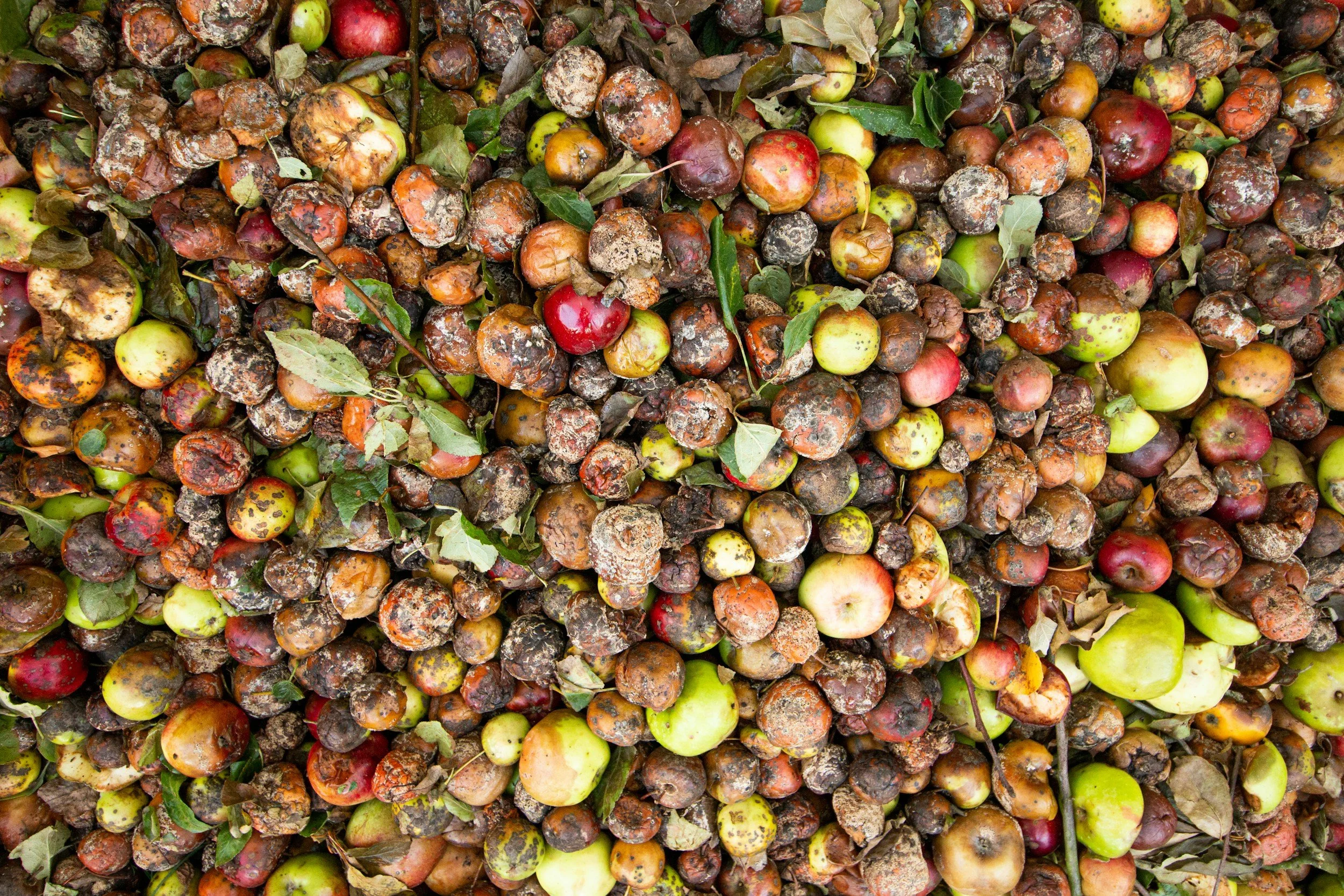
Whole Foods announced that starting in 2027, their stores will be using new AI-powered food recycling systems that turn fruit and vegetable scraps into chicken feed. This self-produced feed will then be used to help produce the grocery chain’s own chicken eggs. The technology is called Mill Commercial, coming from startup Mill, that Amazon (which owns Whole Foods) is investing in to help develop the technology through their Climate Pledge Fund. The machines can reduce food waste by 80% in volume, which also lowers greenhouse gas emissions and decreases the cost of disposal. It’s all part of Whole Foods’ goal to cut food waste in half by 2030.
The machines work by dehydrating and grinding food scraps into a material similar to coffee grounds that can be composted or fed to chickens, creating a closed-loop system from food waste to animal feed to eggs. The bins use AI to track what’s being thrown away in real time, helping stores find patterns, such as overproducing certain foods, and adjust accordingly. Mill has raised $250 million since launching in 2020 and is now moving beyond homes and offices into grocery stores, with plans to start working with restaurants next. This partnership represents the first move by the startup into grocery stores with a larger product equipped for larger volumes. PR Newswire states, “it sets an ambitious standard for the grocery industry by transforming food scraps once considered "waste" into a new, valuable feedstock. The collaboration creates value at every stage in Whole Foods Market's operations – from suppliers to customers.”
LEASES FOR MAJOR OFFSHORE WIND PROJECTS ARE SUSPENDED
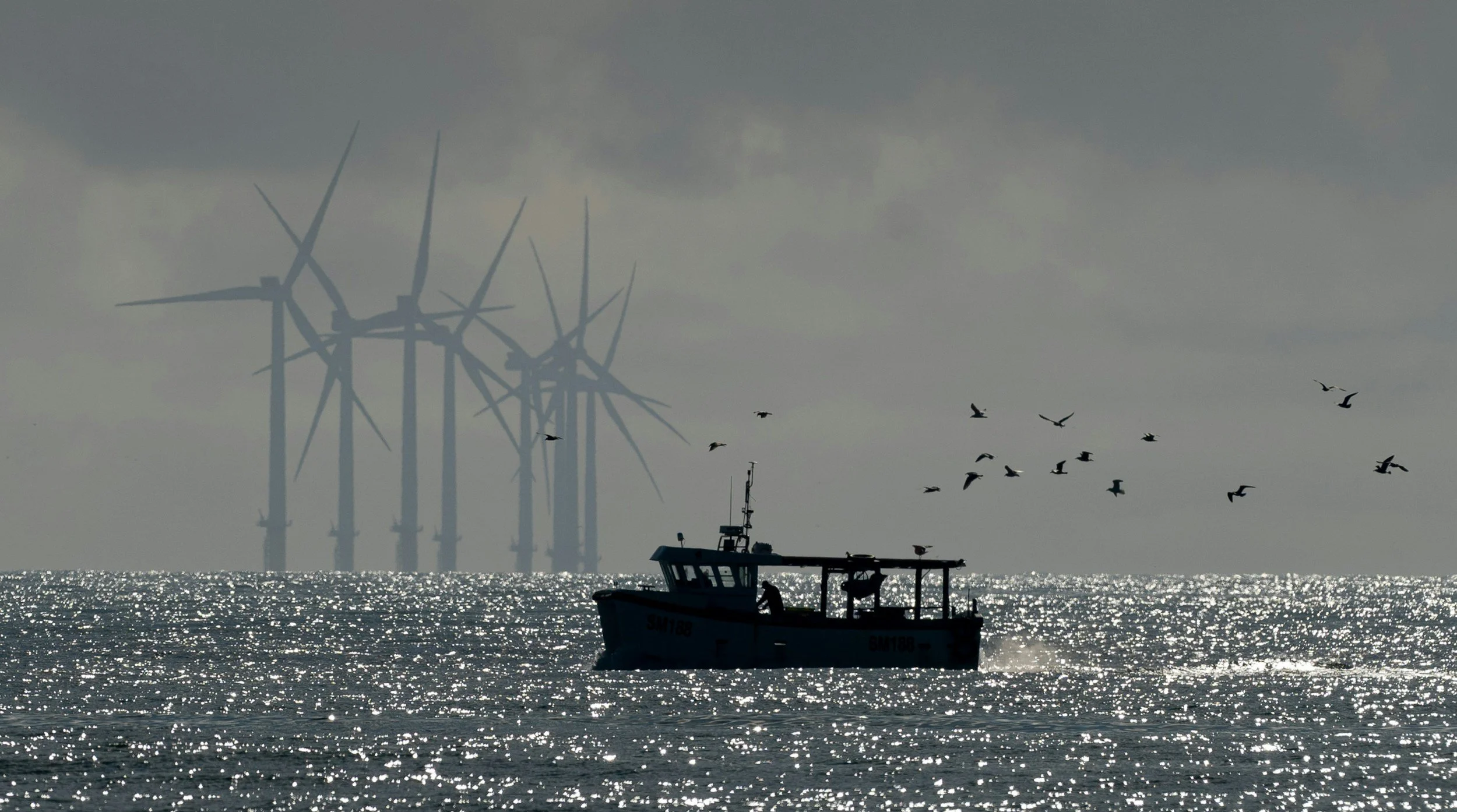
The Trump administration has suspended construction authority for five major offshore wind projects along the East Coast because of “national security concerns.” Interior Secretary Doug Burgum said the leases were being halted over worries that spinning turbine blades could interfere with military radar by creating false signals, a problem known as “clutter.” The affected projects, Vineyard Wind 1, Revolution Wind, Coastal Virginia Offshore Wind, Sunrise Wind, and Empire Wind, are located near New England, Virginia, and New York and are expected to power up to 2.5 million homes combined.
This announcement continues a series of stop-work orders and public criticism of offshore wind by President Trump, who has a long history of opposing the industry. Some of these projects have already had legal issues, such as Revolution Wind that was eventually allowed to continue despite a federal order, and Empire Wind previously restarting after discussions with New York’s governor Kathy Hochel. Developers are understandably frustrated, saying the projects were approved after years of coordination with the military and have already proven they aren't a security risk. These delays could also raise construction and energy costs, threaten grid reliability, and put thousands of jobs at risk. It is proven that offshore wind actually strengthens U.S. energy security and competitiveness, especially as electricity demand continues to grow.
MORE IN SUSTAINABILITY NEWS
A huge solar project commits one million panels for end-of-life recycling and reuse, before they even get to work.
In 2025, the US suffered a billion-dollar disaster every 10 days.
Japanese authorities have approved restarting the world's largest nuclear plant for the first time since the Fukushima disaster nearly 15 years ago. The decision is part of the country's effort to reduce its reliance on imported fossil fuels.
A Googie Icon and Helen Liu Fong landmark was supposed to be demolished. Instead, it became a Chick-fil-A
Offshore wind had a terrible 2025. What can be learned?
Mercedes-Benz USA and its parent company will pay $149.6 million to settle allegations that the company modified its cars to pass state emissions tests even though the vehicles far exceeded legal limits for nitrogen oxides.
A new species of tiny orange frog discovered in Brazil's cloud forests.
The scientists at a New Jersey marine station are conducting a sobering experiment: monitoring the destruction of their facility from rising waters. Oscar-winning filmmaker Thomas Lennon shows how the researchers are working to produce useful science before they must leave.
This startup’s plant-inspired tech keeps hundreds of millions of plastic particles out of the ocean.
EPA plans to give 11 coal plants a free pass on toxic ash disposal.