
Sustainability Weekly

Mondays are for…
Plastic Free July, New England Forests, Electric Stoves, and more!
by Alli DiGiacomo
Happy Monday and officially July! The first week of July is National Clean Beaches Week, so if you find yourself on a beach this week make sure to do your part and pick up any trash or pollution you see, and leave no trash behind! The 4th of July is known for being the biggest beach visitation day in America, but also unfortunately the most littered.
Also happening this month is Plastic Free July, a global movement that “helps millions of people reduce plastic waste through simple, everyday choices and be part of the solution to plastic pollution.” Take the pledge to make a conscious effort this month to make small changes such as swapping out your single-use cup or silverware, avoiding buying products and produce in single plastic, and even re-filling products in containers you already have! See more ideas and join the 170+million (!!!) people who have already signed here.
Keep reading for this week’s sustainability news…
T H I S W E E K ’ S T O P S T O R I E S
A BROOKLYN START UP IS TURNING ELECTRIC STOVES INTO BATTERIES

A Brooklyn startup called Electra is rethinking home electrification by building induction stoves with built-in batteries that plug into a standard 120-volt outlet. This is essentially avoiding the need for sometimes expensive electrical upgrades that often come with switching from gas to electric cooking! The small 5-kilowatt-hour battery stores electricity when demand is low or renewable energy is abundant, then powers the stove during cooking or peak demand hours. Customers can also permit the battery to support the electric grid by charging and discharging automatically, reducing strain on the grid and lowering peak electricity use by up to an estimated 80% compared to a traditional electric stove. According to Electra, the battery can keep the stove running through several meals during a power outage.
The battery is assembled at a warehouse in Brooklyn, where 75 stoves have been shipped since April and hopefully thousands more by the end of the year. The stove costs about $4,000, but Electra says avoiding expensive panel upgrades and rewiring makes it competitive with other electric ranges. This technology arrives as induction cooking continues to gain popularity because it is faster, more energy efficient, and doesn't produce the indoor air pollution associated with gas stoves. Electra is also expanding beyond individual homeowners, partnering on projects in California and New York (including an 80-unit apartment building in the Bronx) as cities continue to encourage all-electric buildings.
THE SPECTACULAR REGROWTH OF NEW ENGLAND FORESTS

In a new interview with climate scientist Bill Moomaw for America’s 250th anniversary, he explains how New England's forests have made one of the most remarkable environmental comebacks in history. By the mid-1800s, approximately 80–90% of New England's forests had been cleared for farming, timber, railroads, and other industries. Today, states like Massachusetts are once again about 60% forested. This is actually thanks largely to abandoned farmland naturally regenerating over the last century, not necessarily large-scale tree planting efforts. In the early 1900’s, farmers started moving West to less-rocky soils, and abandoned their farmland. Instead of replanting trees of a singular species (like many reforesting efforts happen today), forests of diverse species grew back over the past 100+ years. Moomaw calls it "the greatest forest recovery in the history of the world," and a great example of how simply allowing forests to regrow naturally can be incredibly effective.
The recovery is not only a conservation success story, but it has become an important climate crisis solution. Healthy forests absorb large amounts of carbon dioxide, naturally cool and regulate the climate of surrounding communities through shade and evaporation, improve regional weather patterns and watershed, and reduce energy demand during hot weather. New England's extensive forests help keep cities several degrees cooler than they otherwise would be, while also supporting biodiversity and healthier ecosystems. Although this is a success story, it should be noted that climate change and deforestation for developments continue to threaten forests, and protecting existing mature forests is just as important as planting new ones.
A STUDY STARTS TO DECODE HOW DIFFERENT SPECIES COMMUNICATE WITH EACH OTHER TO WORK TOGETHER
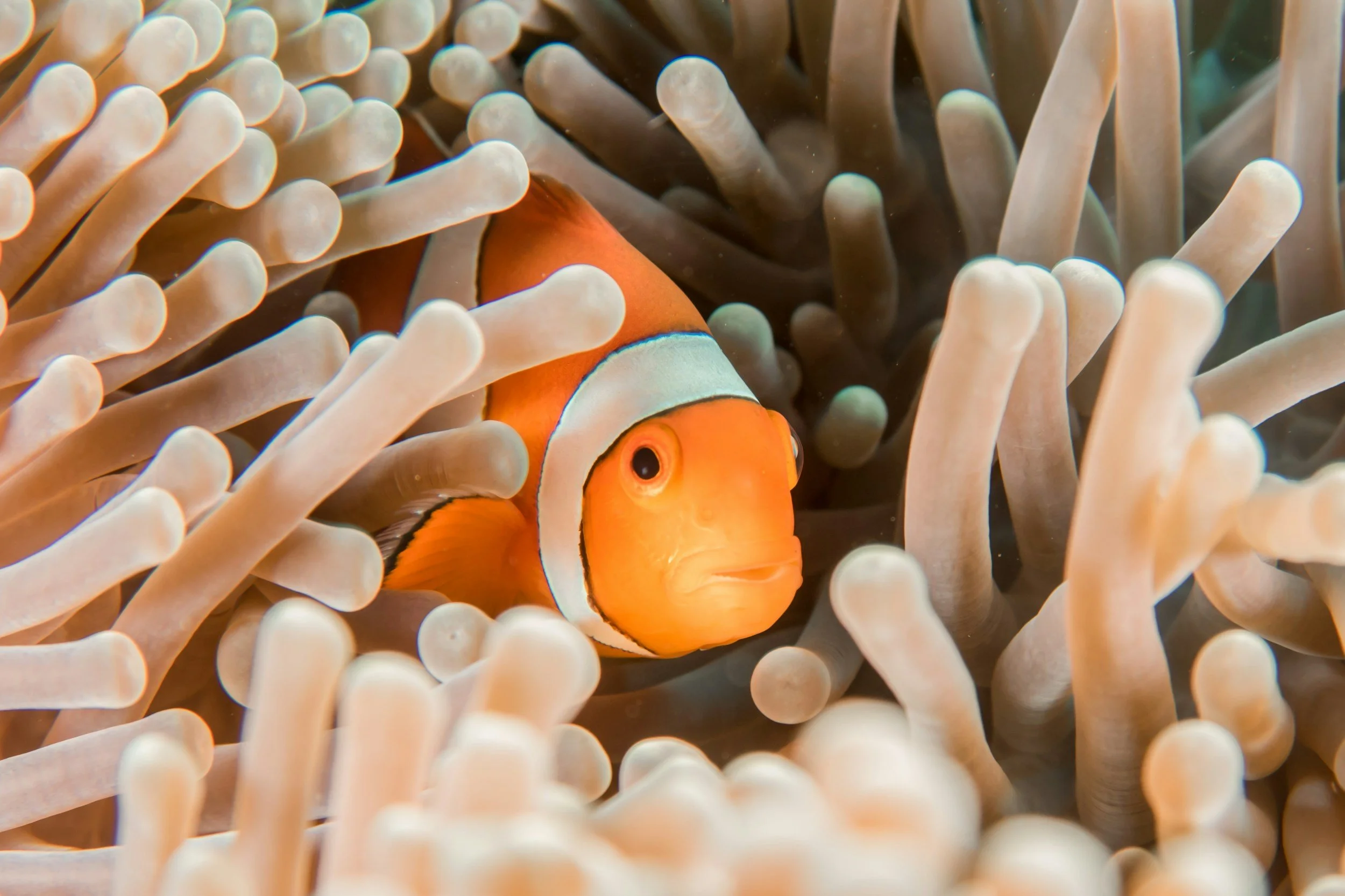
Scientists are discovering that cooperation between different animal species is more sophisticated than previously thought. A new study led by 58 researchers found that birds, fish, insects, mammals, and other animals rely on visual cues, sounds, scents, and behaviors to coordinate with entirely different species in real time. One animal may communicate through scent, another through movement, and another through sound. Misunderstandings can be dangerous, and these signals help animals recognize potential partners, determine whether they're willing to cooperate, and judge whether they're trustworthy. For example, “Cleaner fish” use their distinctive colors and movements to signal to larger fish that they're there to remove parasites rather than become prey.
The researchers found that successful cooperation doesn't require a shared "language", it requires enough information to reduce uncertainty and make behavior more predictable. Some signals are genetically inherited, while others are learned and passed on culturally, and in some cases the communication systems of two species may even coevolve over time as each becomes better at sending and interpreting signals. The study finds that these partnerships are shaped by factors like environmental conditions, sensory abilities, and the risks involved in cooperating. The goal of the study was to understand how different species exchange information and build mutually beneficial relationships, in order to better explain how communication evolves and learn more about the complex connections that support healthy ecosystems.
OTHER SUSTAINABILITY NEWS
Volunteers are saving a Scottish rainforest by collecting 11M seeds.
How a NYC high-rise is keeping cool with geothermal energy.
Electric vehicle sales are growing much faster than expected worldwide. In six years, sales of EVs have risen tenfold, with around 21 million EVs sold worldwide in 2025 alone, representing 25% of new car sales (that figure was just 1% in 2019).
The U.S. Justice Department calls on state attorneys general to join its investigation into why gasoline prices haven’t fallen dramatically as tensions ease and shipping resumes in the Middle East.
Electric Avenues: New York City’s First Net-Zero Research Buildings.
This past weekend was Independence Day! The national park system shows America’s commitment to preserving and protecting the immense, unique, breathtaking natural landscapes across the country. Yellowstone became the first national park in 1862. Here is a list of the 25 oldest national parks in America.
The Clean Air Act became one of America’s first and most influential modern environmental laws, leading to dramatic, life-saving reductions in air pollution nationwide
New York state reached its goal of 8 GW of installed solar capacity ahead of the deadline, and is now on the way to its next milestone of 10 GW by 2030.
After a civil rights complaint, Chicago built the largest air monitoring network in the country. As extreme heat worsens pollution, a network of 277 monitors is identifying pollution hot spots.
A Home Battery Revolution Is Reshaping the Power Grid.
New research traces how ‘forever chemicals’ move through the Great Lakes and into people.
Los Angeles turns ‘most polluting’ World Cup into Olympic rehearsal in bid for climate legacy.
Montana debuted a new license plate design that is projected to raise $100K for state wildlife crossings, which are proven to reduce wildlife-vehicle collisions by more than 90%.
For the first time since the Middle Ages, Italy’s forest cover is larger than its farmland.
New York City’s Department of Sanitation plans to replace nearly 30,000 parking spaces with “Empire Bin” trash containers over the next six years in order to eradicate piles of trash bags from sidewalks, according to documents published last week.
The Trump administration has accused New York State of violating U.S. Department of Agriculture standards to make prime farmland available for large-scale solar development.
The self-described “free state” of Florida has stripped municipalities of their right to set targets for bringing the local economy’s planet-heating emissions to net zero. A new law known as HB 1217 prohibits local governments from pursuing net-zero goals.