
Sustainability Weekly

Fridays are for…
Nuclear Energy in NY, Public Transit Increases, Beavers, and more!
by Alli DiGiacomo
Happy Monday! This week we are seeing several renewable energy success stories, the reality of the World Cup, environmental law wins, and even beavers saving the day! Keep reading for this week’s sustainability news…
T H I S W E E K ’ S T O P S T O R I E S
U.S. CITIES SEE PUBLIC TRANSIT USE INCREASE AND GAS CONSUMPTION DECREASE THIS YEAR

As gas prices remain high amid global oil market disruptions and the war in Iran, more Americans are utilizing public transportation. Several major cities have reported notable increases in transit use this year, with weekday ridership up 8% in Los Angeles, nearly 11% in the San Francisco Bay Area, 11% in Chicago, and 13% in Boston. While multiple factors may be contributing to the trend, researchers and transportation officials point to higher fuel costs as the main reason. Research from the University of Maryland found there is a direct correlation to high gas prices and public transition ridership, a 10% increase in gasoline prices can lead to a 1.2% increase in public transit demand.
Similar trends are happening around the world as some countries are offering discounted or even free transit options to reduce reliance on oil. According to the International Energy Agency, increasing public transportation use could reduce oil consumption from passenger vehicles by as much as 3%, both lowering costs for commuters and reducing overall energy demand. See the roadmap for navigating the global energy crisis released by the International Energy Agency to see what every country is doing.
NY RELEASES AN ENERGY DEVELOPMENT ROADMAP THAT INCLUDES NEARLY $24 BILLION IN POSSIBLE SUBSIDIES FOR BUILDING NUCLEAR POWER PLANTS
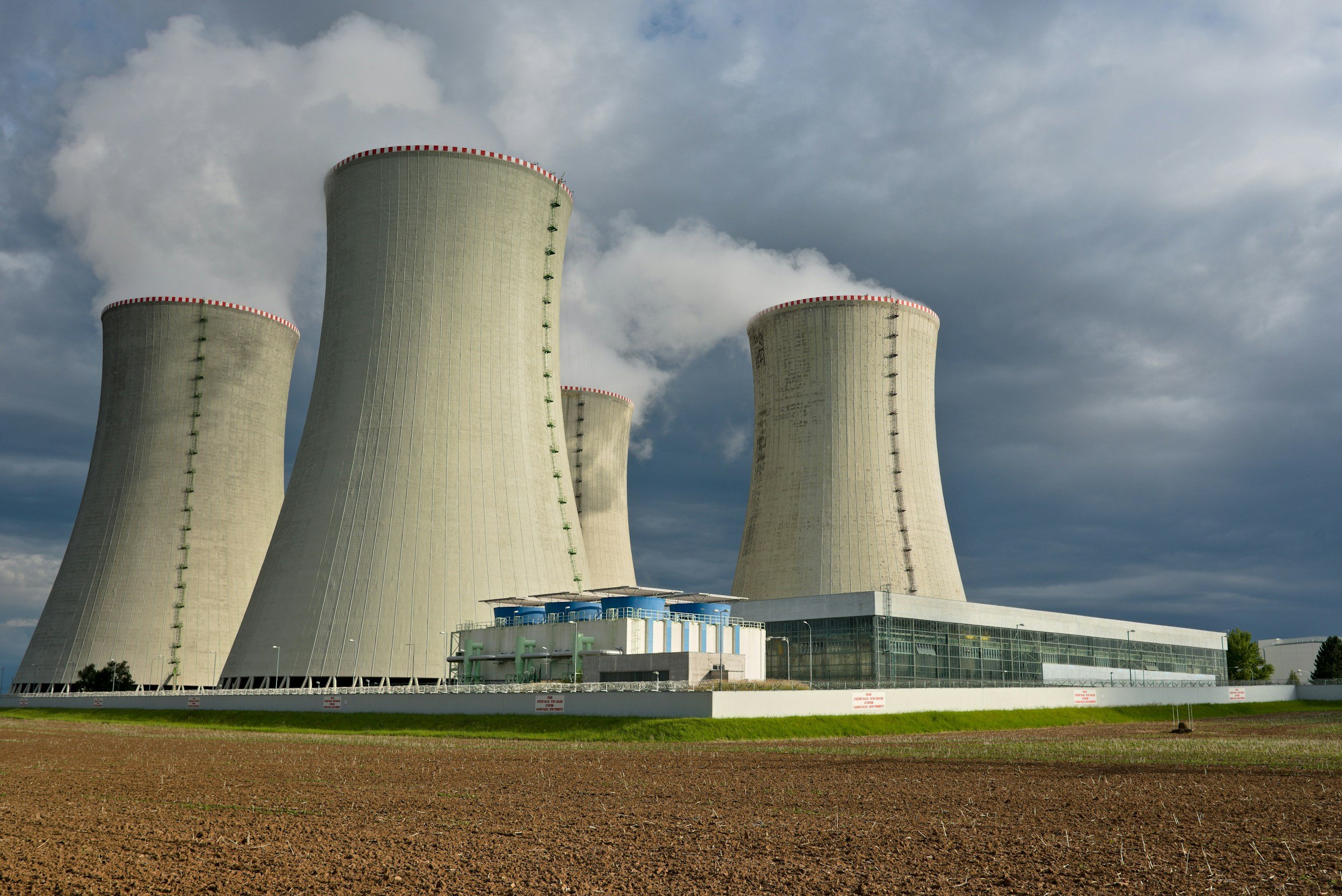
New York state is moving forward with plans to significantly expand nuclear power as part of its clean energy transition. Governor Kathy Hochul and the Public Service Commission launched the process to add 5 gigawatts of new nuclear generation by 2050, increasing the state’s total nuclear capacity to 8.4 gigawatts. State officials view advanced nuclear technology as a reliable source of around-the-clock, carbon-free electricity that can help meet the growing demand from building electrification, electric vehicles, and future energy-intensive industries. This process also includes exploring both traditional large reactors and newer small modular reactor (SMR) designs.
The policy roadmap estimates that between $15 billion and $24 billion in public subsidies could be needed over the next 40 years to make new nuclear projects financially viable, with costs likely passed on through utility bills and other funding mechanisms. On a positive note, nuclear power is essential for maintaining grid reliability while reducing emissions and could create thousands of jobs and billions in economic activity. However, non-supporters have concerns over radioactive waste, project delays, and the risk of major cost overruns, arguing that New York should carefully evaluate the long-term financial and environmental impacts before moving ahead.
HOW PRESCRIBED BURNS CAN HELP SAVE BILLIONS
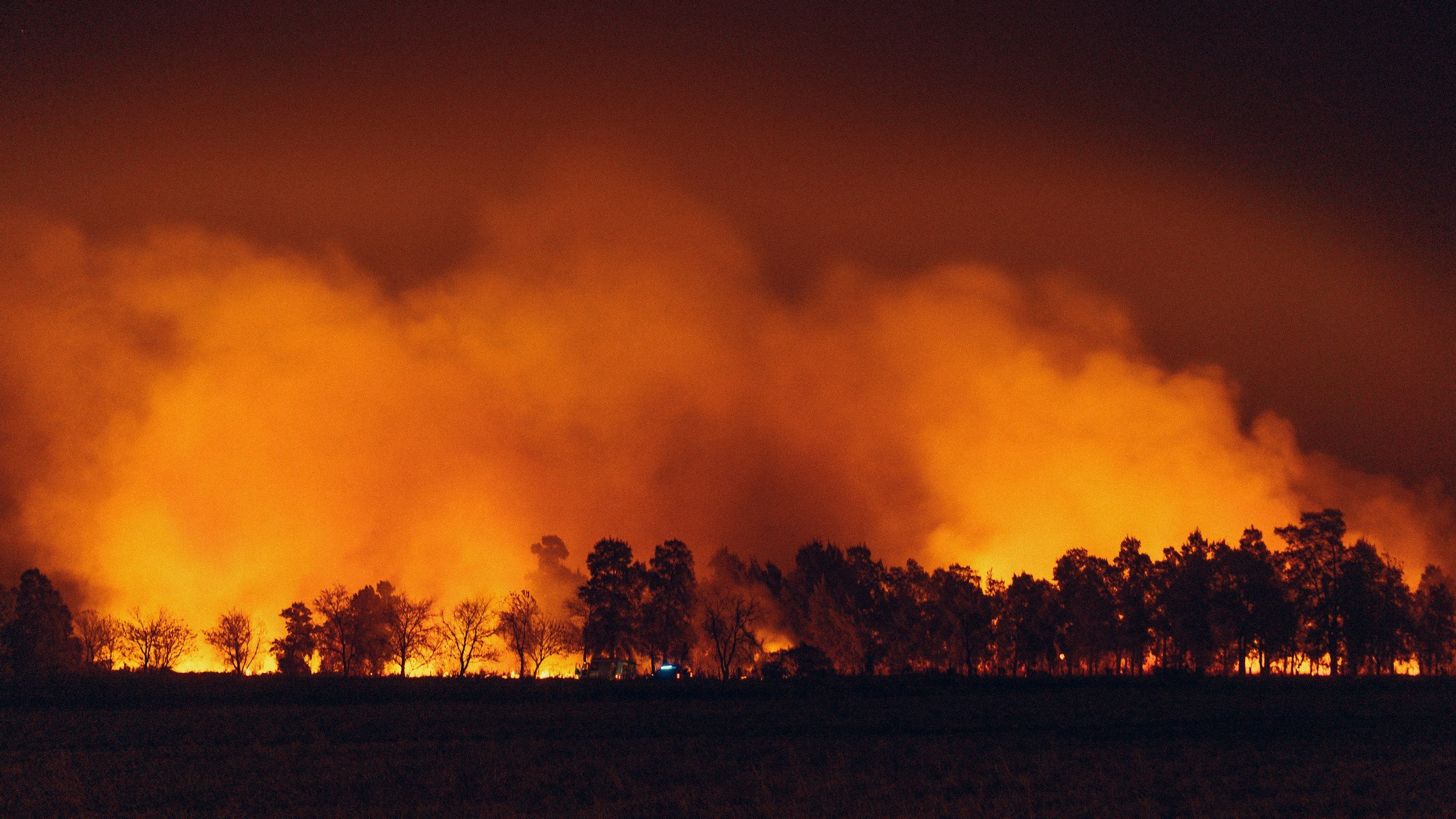
A study from researchers at the University of California, shows how effective proactive wildfire prevention can be, not only for forests, but also for public health, the economy, and the climate. According to the study, prescribed burns and forest thinning projects across the Western U.S. prevented the release of an estimated 2.7 million tons of carbon dioxide between 2017 and 2023, while also stopping more than 25,000 tons of dangerous fine particle pollution from entering the air. It’s estimated those efforts ultimately prevented nearly 60 premature deaths and avoided roughly $2.8 billion in damages tied to wildfire destruction and smoke impacts.
The study examined 285 wildfires across 11 Western states and found that every $1 invested in these preventative measures generated about $3.73 in expected benefits. Fuel treatments also reduced total wildfire burn areas by approximately 152,000 acres compared to scenarios where no preventative work had been done, proving that proactive forest management can dramatically reduce the severity of catastrophic wildfires. Wildfires are becoming larger and more destructive due to climate change, drought, extreme heat, and worsening fire conditions across the West. Prescribed burns can temporarily create smoke and carry some risks, but scientists and experts say they are still far less damaging than uncontrolled wildfires. The U.S. Forest Service estimates that wildfires release about 83% more fine particulate pollution than prescribed burns over the same area. Controlled burns also allow agencies to better predict smoke exposure and notify communities in advance. The 2026 wildfire season could be especially severe due to record-low snowpack, ongoing drought conditions, and rising temperatures.
OTHER SUSTAINABILITY NEWS
Thanks to solar and batteries, the US grid is better equipped and will be more reliable this summer.
A federal judge orders the U.S. Department of Energy to reinstate more than $82 million in grants for clean energy projects in Connecticut, New York, and other states that voted for former Vice President Kamala Harris in 2024.
How beavers saved a West London Tube station from flooding.
What federal cuts to science funding could mean for the Great Lakes.
Solar hit a new hourly generation record in New York, meeting about 29% of the state’s electricity demand around noon on June 3, mostly thanks to behind-the-meter systems.
Here are 3 facts to ruin your World Cup watch party, including the fact that the newly-added commercial breaks are actually because of climate change.
The World Cup is one wildfire away from an air quality disaster.
A growing number of school districts in NY are converting nearby unused property into solar fields to lower energy costs and make their operations more climate-friendly.
Troubled by spreading landfill pollution, Brookhaven, Long Island, demands action.
Teen innovators in Kenya turn farm waste into award-winning, low-cost maize- and coconut-based vehicle exhaust filtration system.
Pennsylvania transportation officials announce $25 million in funding for the installation of 50 to 150 EV charging stations in the western part of the state.
France just added over 387,000 acres of protected forest, moving one step closer to its 2030 goal of placing 10% of its land under “strong protection” by creating seven new biological reserves and expanding two existing ones.
These “living pink sea rocks” are tiny climate heroes.
Threads of Earth’s Underground Fungal Networks Are Long Enough to Reach Beyond the Solar System.
A Commercial Space Race Prompts a Thorny Question: Who Owns the Sky?