+ LOCATION
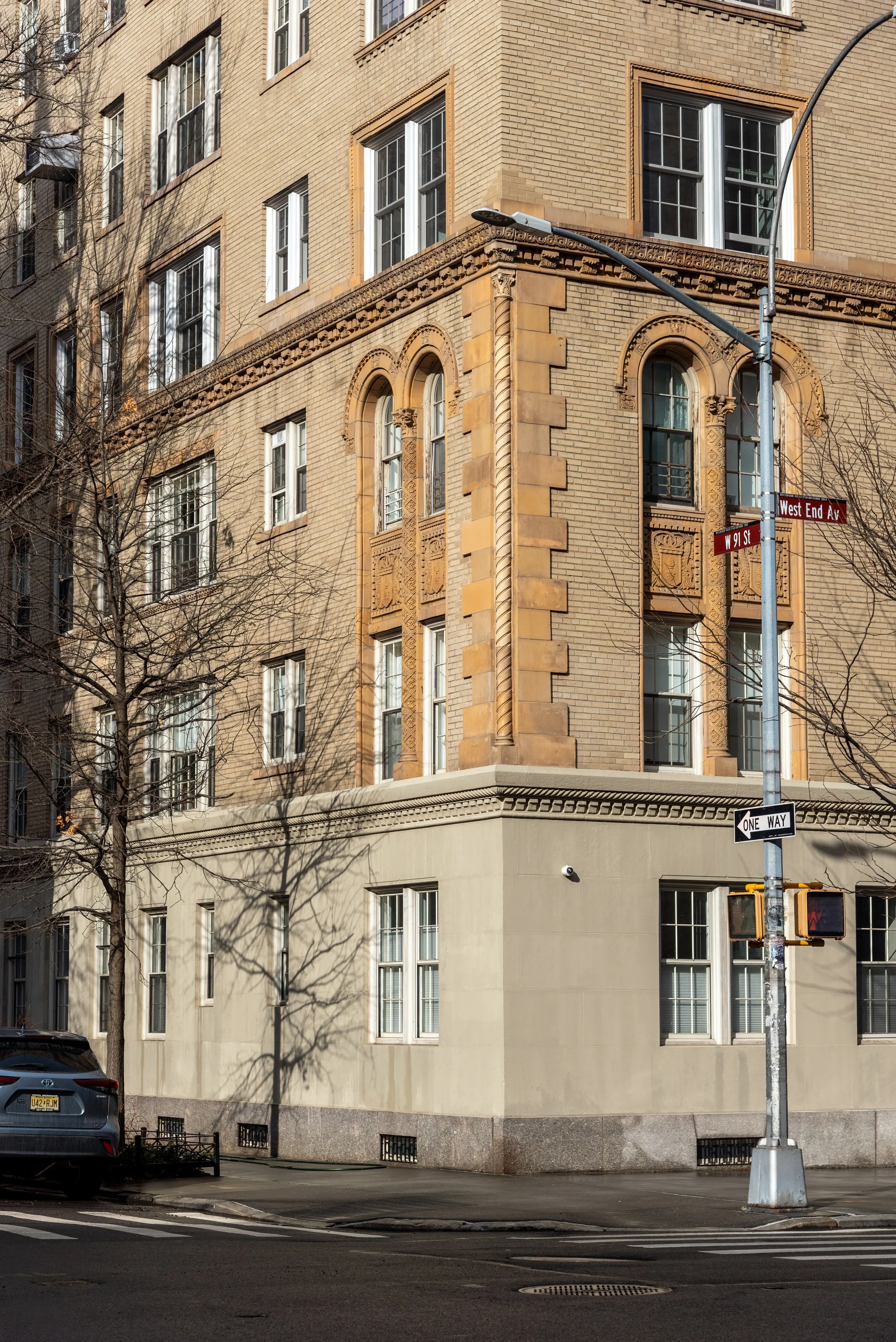
639 West End Avenue New York, NY
+ TYPE
Restoration
+ OWNER
639 Apartment Corporation, c/o Akam Associates Inc
639 West End Avenue
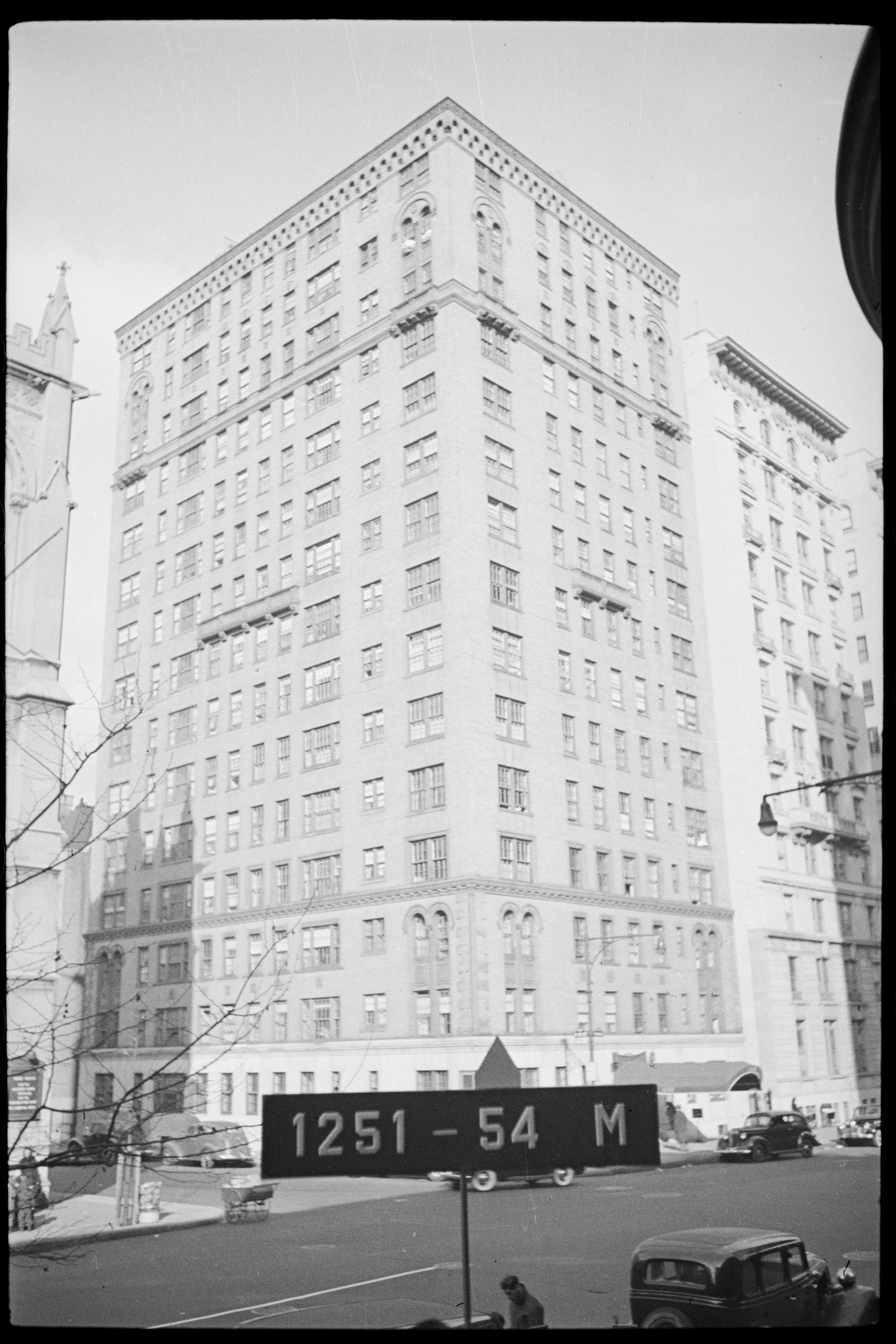
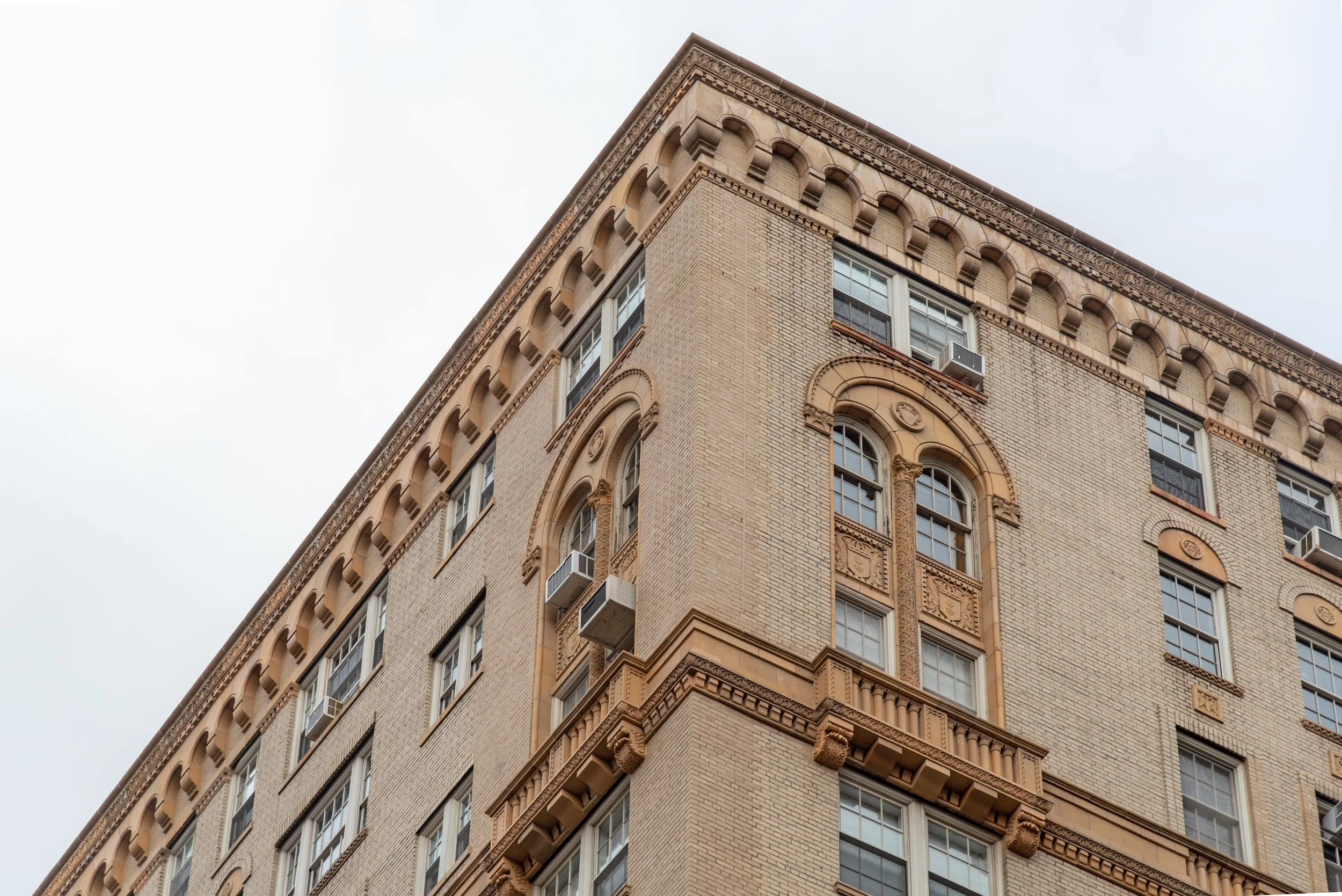
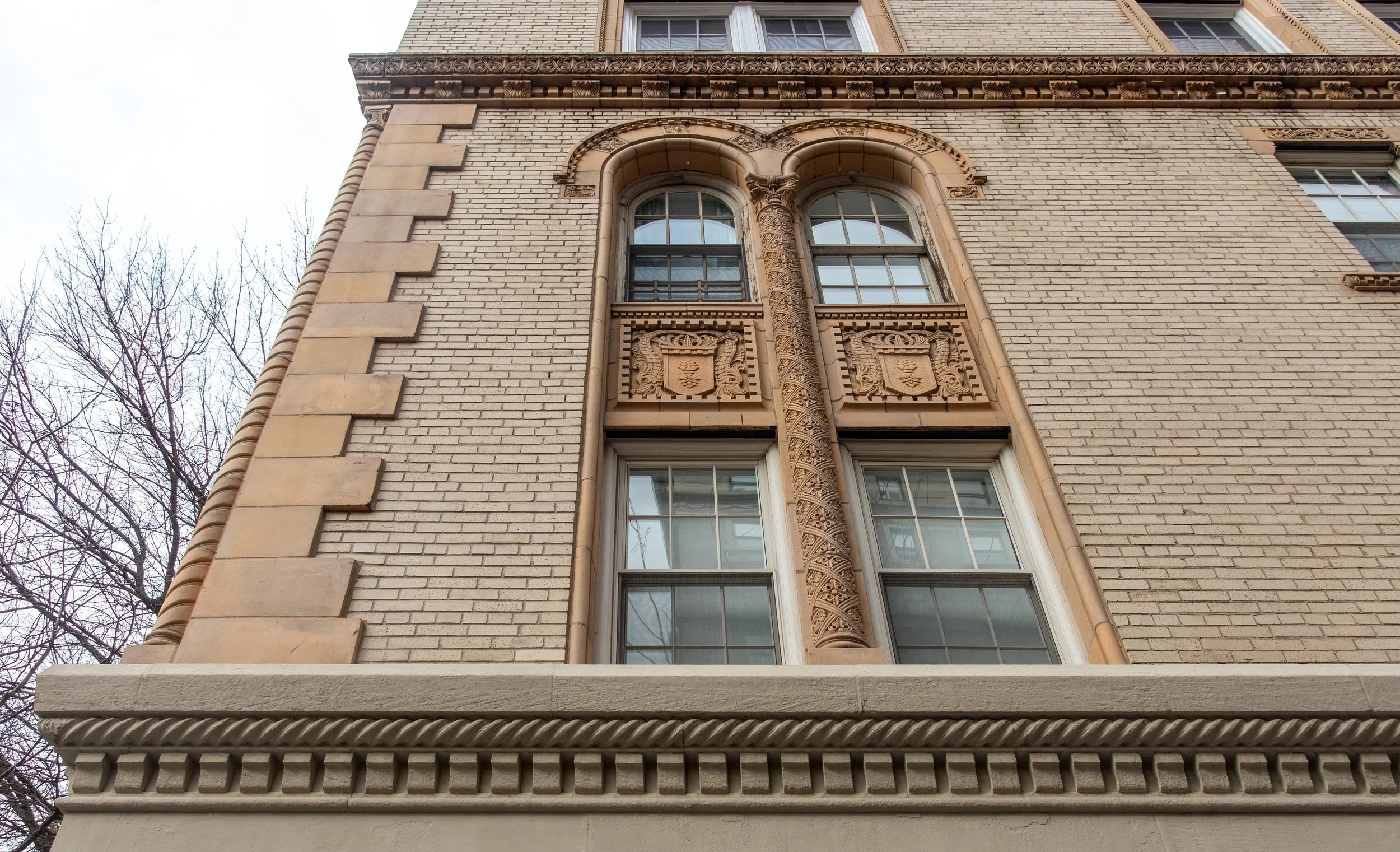
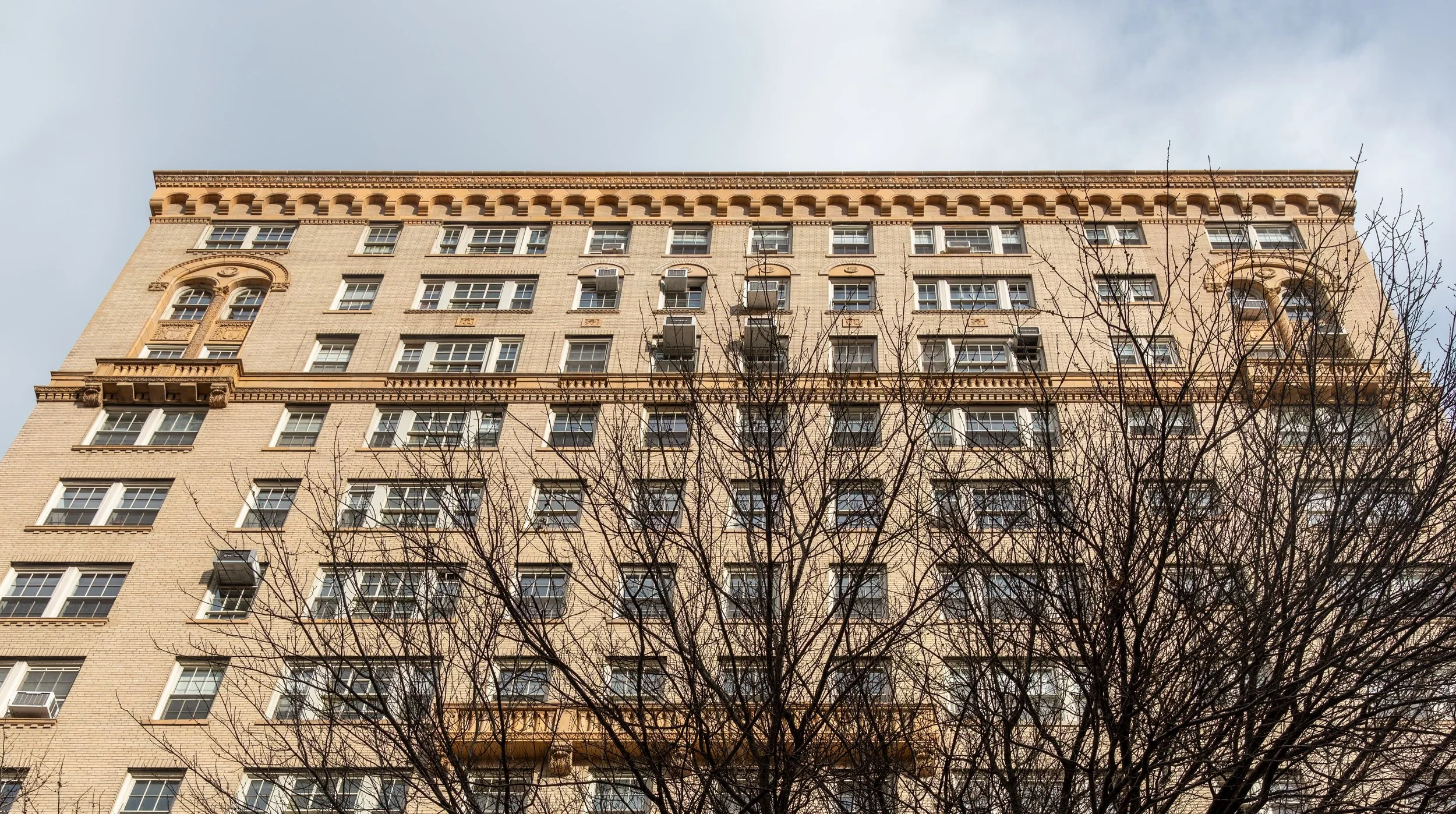
Completed in 1927, 639 West End Avenue is a distinguished prewar residential building that reflects the rapid transformation of Manhattan’s Upper West Side in the early twentieth century. As West End Avenue emerged as a premier residential boulevard, substantial apartment houses replaced earlier low-scale dwellings, meeting the demand for modern, well-appointed urban housing. Designed in a restrained Neo-Renaissance idiom typical of 1920s Upper West Side apartment buildings, the 15-story structure is defined by its yellow-brick façade, limestone base, articulated window openings, rope-patterned quoins, Juliette balconies, and a prominent south cornice. Together, these elements convey dignity, permanence, and the high level of craftsmanship associated with speculative residential construction of the period.
Originally developed as rental housing and converted to a cooperative in 1976, the building has remained in continuous residential use, retaining much of its historic architectural character. While not individually designated as a New York City Landmark, it contributes to the historic fabric of the Upper West Side, an area renowned for its concentration of early twentieth-century residential architecture.
We provided comprehensive architectural and preservation services for the exterior rehabilitation of the building, with a focus on preserving historic fabric, restoring architectural integrity, and extending the structure’s service life. Our scope included preparation and filing of the Façade Inspection and Safety Program (FISP) report, detailed investigation of existing conditions, and development of construction documents to address localized deterioration.
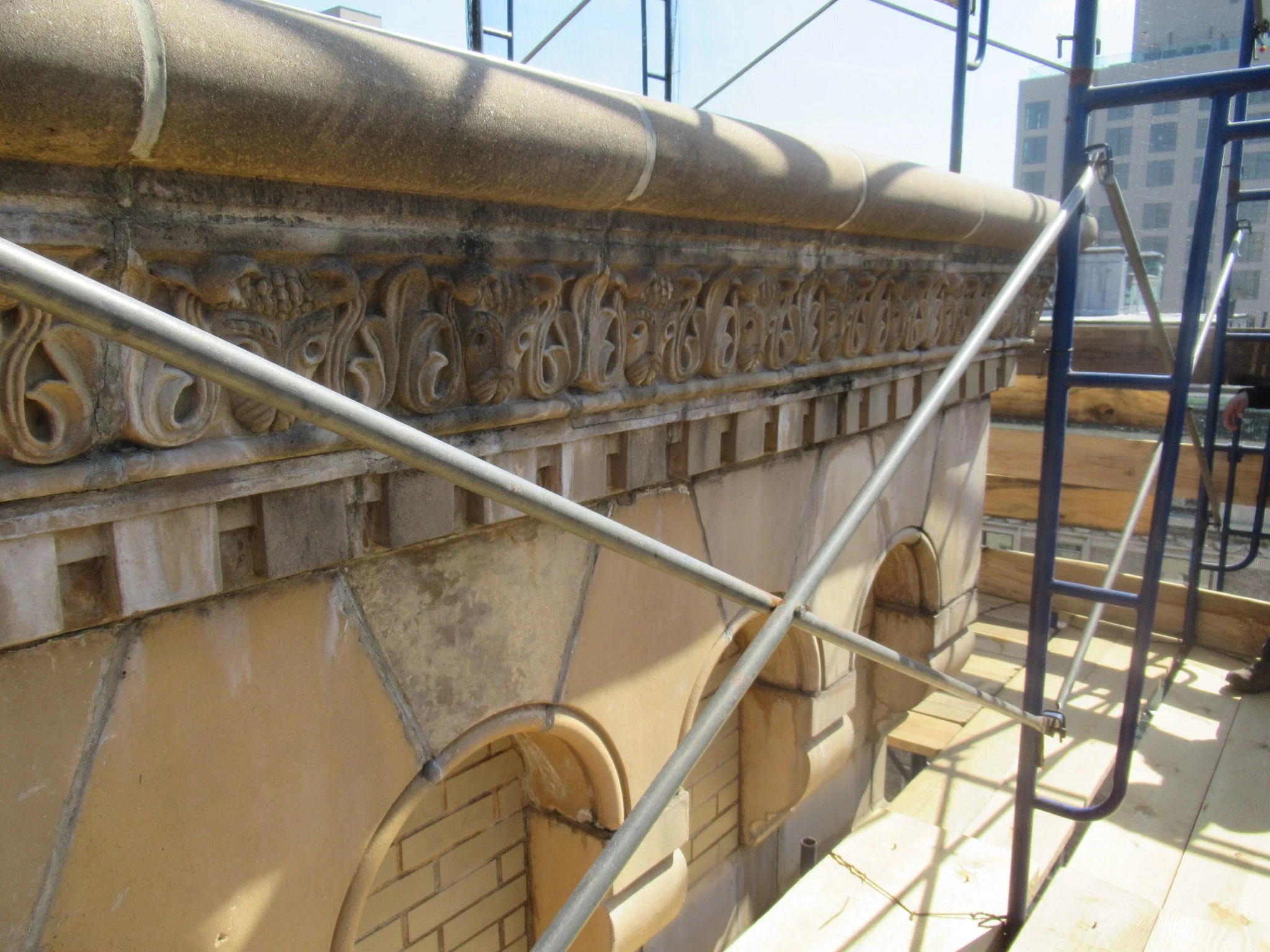
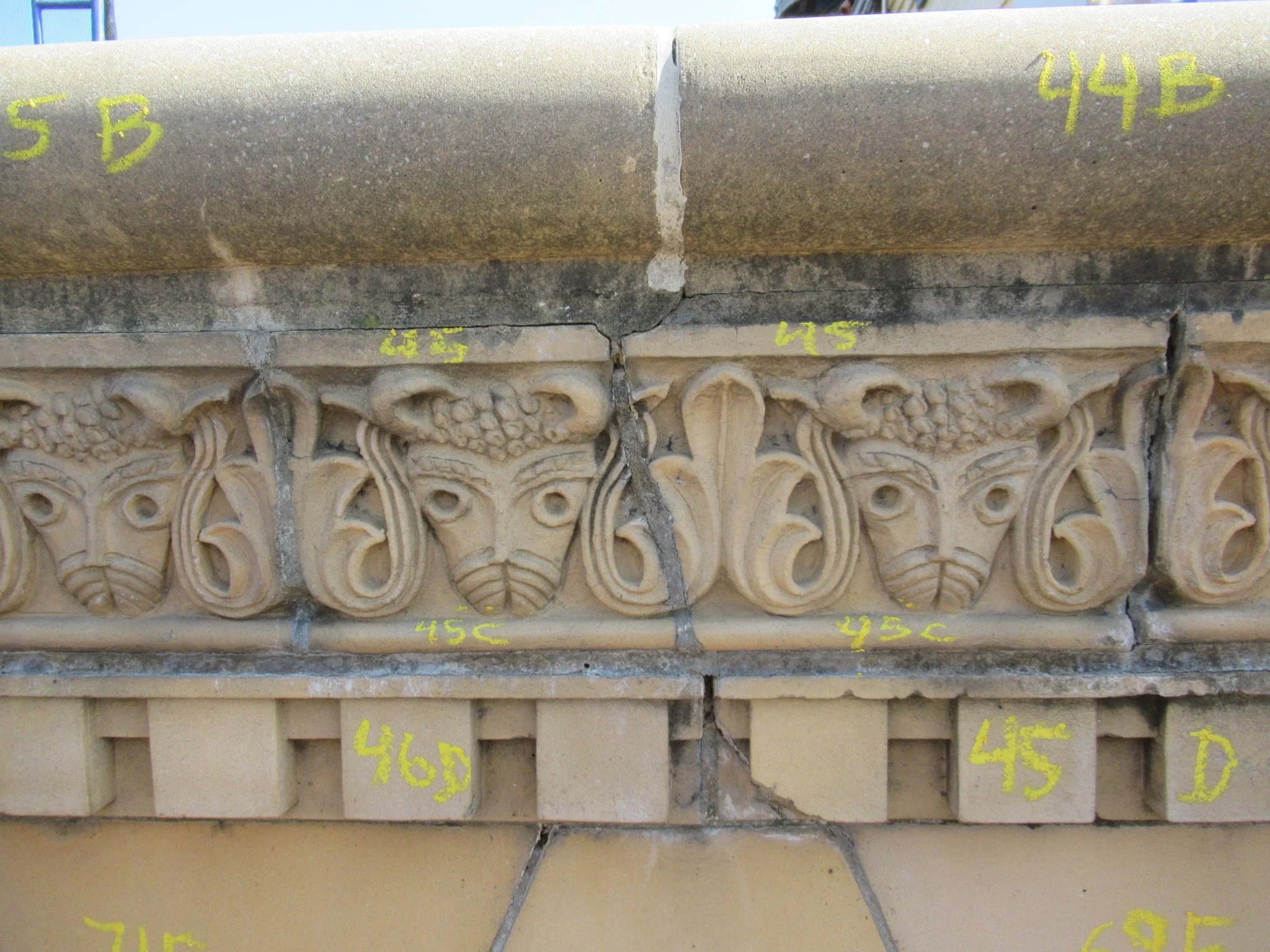
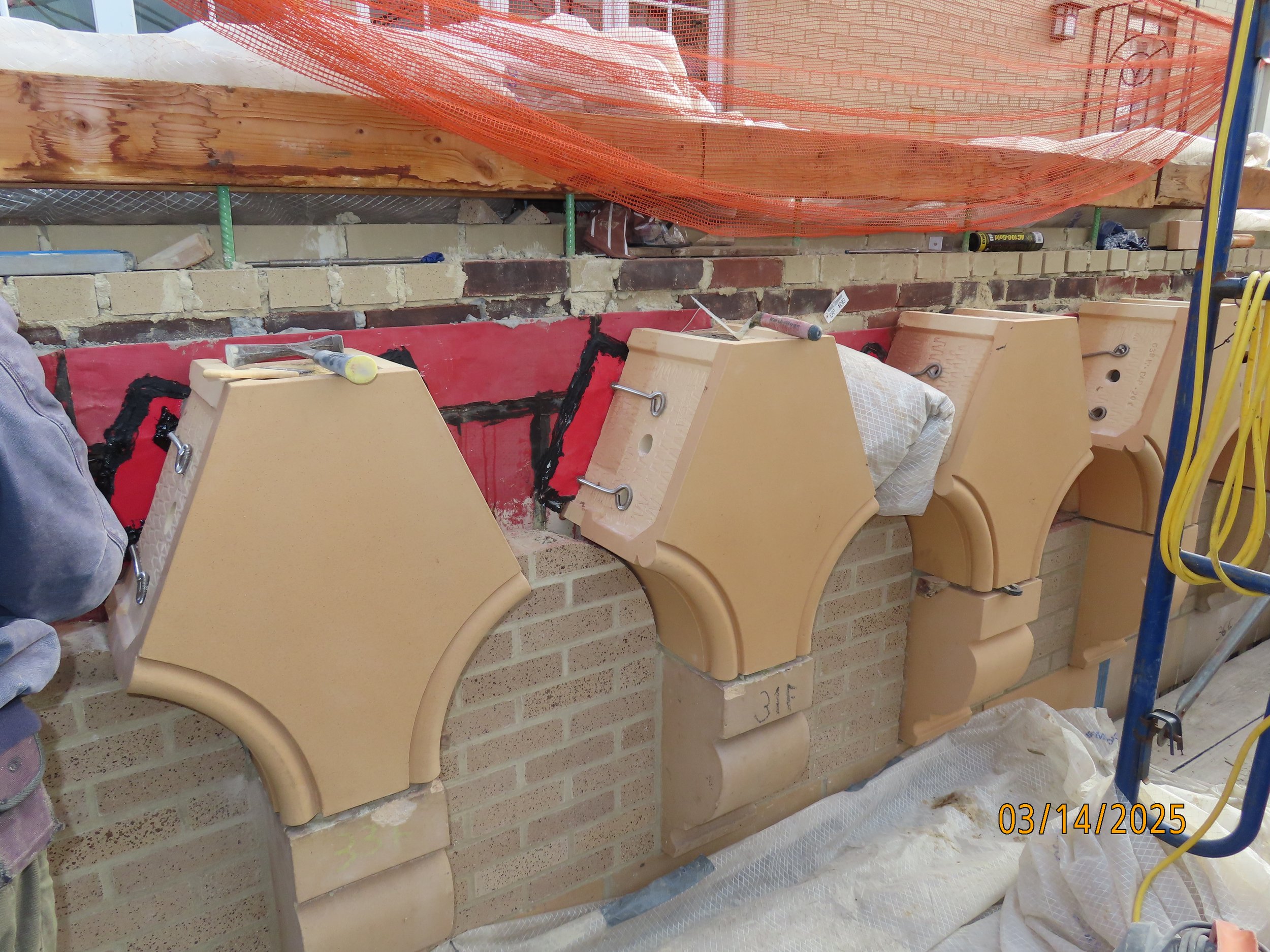
Exterior rehabilitation work included selective terra cotta restoration and replacement, conservation of the south cornice and Juliette balconies, reinforcement and stabilization of existing structural steel, and selective limestone replacement and patching. Custom-fabricated ornamental terra cotta units were designed to replicate original forms, glaze, and detailing, ensuring material and visual continuity. All interventions prioritized repair over replacement wherever feasible and were executed in accordance with preservation best practices and regulatory requirements.
Through continuous field observation and close coordination, the completed project reflects a conservation-first approach—retaining historic materials, respecting original craftsmanship, and reinforcing the building’s long-term durability while preserving its architectural character.